Best Applications for 3mm Nitinol Rod in Consumer Electronics
2025-12-11 14:00:33
Are your electronic devices failing due to mechanical stress, repeated bending, or temperature fluctuations? The 3mm nitinol rod offers a revolutionary solution to these persistent challenges in consumer electronics design. This specialized nickel-titanium alloy combines superelasticity with shape memory properties, enabling manufacturers to create durable, flexible components that withstand the demanding conditions of modern portable devices while maintaining structural integrity throughout thousands of use cycles.
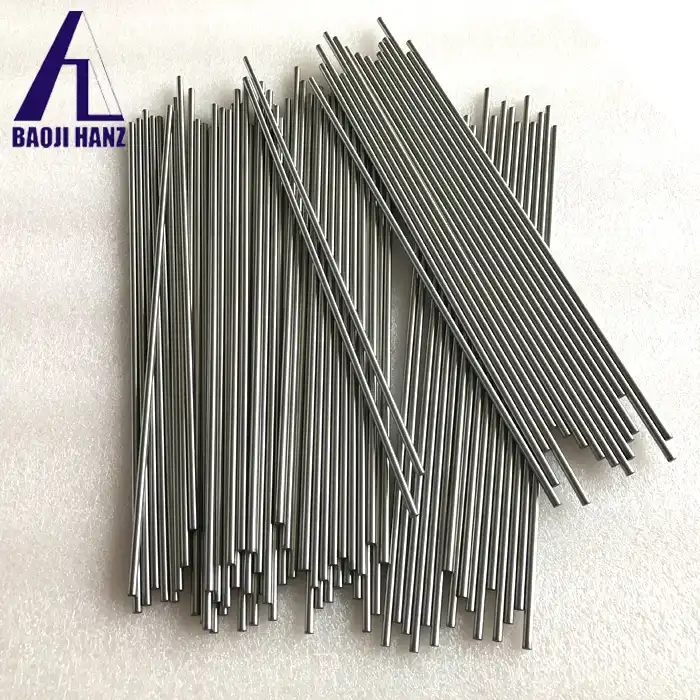
Understanding the Unique Properties of 3mm Nitinol Rod in Electronics Manufacturing
The 3mm nitinol rod represents an optimal diameter for consumer electronics applications where space constraints meet demanding mechanical requirements. This nickel-titanium shape memory alloy exhibits remarkable properties that distinguish it from conventional materials used in electronic device manufacturing. The composition typically consists of approximately 55-56% nickel and 44-45% titanium, following ASTM F2063 standards, with an austenite finish temperature range of -10°C to 100°C that makes it particularly suitable for devices operating at room temperature and body temperature conditions.
Superelasticity allows the 3mm nitinol rod to undergo deformations up to eight to ten percent of its original length and immediately return to its pre-set configuration without requiring thermal activation. This property proves invaluable in consumer electronics where components face repeated stress cycles during normal usage patterns. The material demonstrates tensile strength exceeding 1100 MPa while maintaining an elongation capability greater than ten percent, ensuring both strength and flexibility in compact device architectures. Engineers working with 3mm nitinol rod benefit from its exceptional fatigue resistance, with the material capable of enduring over ten million stress cycles without degradation, far surpassing traditional spring steels and conventional alloys used in mobile device construction.
The density of 6.45 g/cm³ provides an excellent strength-to-weight ratio, critical for portable electronics where every gram affects user comfort and battery life. Surface treatments including polished and black oxide finishes offer manufacturers flexibility in aesthetic integration while maintaining the functional characteristics essential for electronic components. The transformation temperature characteristics of superelastic nitinol alloys, with active austenite finish temperatures ranging from -10°C to 5°C, ensure consistent performance across the temperature ranges encountered in consumer electronics applications, from cold outdoor environments to warm indoor settings and body-contact scenarios in wearable devices.
Foldable Device Hinge Mechanisms Using 3mm Nitinol Rod Technology
Modern foldable smartphones and tablets demand hinge mechanisms that can withstand tens of thousands of opening and closing cycles while maintaining smooth operation and preventing screen damage. The 3mm nitinol rod has emerged as an ideal material for these critical components, addressing the mechanical challenges that plagued earlier foldable device generations. Traditional hinge designs using stainless steel or aluminum alloys exhibited wear, increased friction, and eventual failure after extended use, but the superelastic properties of 3mm nitinol rod enable manufacturers to create hinges that return precisely to their designed positions without plastic deformation or fatigue-related failures.
In foldable smartphone applications, the 3mm nitinol rod can be integrated into multi-bar linkage systems that distribute stress evenly across the hinge assembly during folding and unfolding motions. The shape memory effect can be programmed to provide specific resistance forces at different folding angles, creating a controlled user experience with tactile feedback at key positions such as fully open, partially folded, and completely closed states. This controllable resistance prevents accidental closing while allowing smooth, deliberate folding actions that protect the flexible display from excessive stress. Engineers have successfully implemented 3mm nitinol rod components in hinge designs that have passed rigorous testing protocols exceeding 200,000 folding cycles without measurable degradation in performance characteristics.
The corrosion resistance of 3mm nitinol rod ensures long-term reliability in portable electronics exposed to humidity, perspiration, and environmental contaminants that would degrade alternative materials. The material's biocompatibility, proven through extensive medical device applications, also provides safety assurance for devices in constant contact with users' hands and bodies. Manufacturing processes including precision cutting, bending, and welding allow the 3mm nitinol rod to be formed into complex hinge geometries that integrate seamlessly with modern smartphone and tablet architectures. The ability to customize the transformation temperature during heat treatment enables engineers to optimize the mechanical response characteristics for specific device requirements, from ultra-thin fashion phones to rugged industrial tablets requiring enhanced durability and shock resistance.
Wearable Technology Applications Leveraging 3mm Nitinol Rod Properties
Wearable electronics including smartwatches, fitness trackers, and health monitoring devices benefit substantially from components manufactured using 3mm nitinol rod technology. These devices experience constant mechanical stress from body movement, impacts during athletic activities, and temperature variations between indoor and outdoor environments. The 3mm nitinol rod enables the creation of flexible yet robust structural elements that adapt to these challenging conditions while maintaining precise functionality essential for accurate sensor positioning and data collection throughout extended wearing periods.
Smartwatch bands and adjustment mechanisms represent prime applications for 3mm nitinol rod components. Unlike traditional metal links or spring-loaded clasps that can pinch skin, break under stress, or loosen over time, clasp mechanisms incorporating 3mm nitinol rod elements provide smooth adjustment with consistent holding force. The superelastic properties ensure the clasp maintains secure contact without creating uncomfortable pressure points, while the shape memory characteristics allow the mechanism to return to its optimal configuration even after significant deformation from impact or compression during physical activities. Athletes and active users particularly benefit from this reliability, as their wearable devices remain securely positioned throughout intensive training sessions and competitive events.
Health monitoring wearables that require precise sensor contact with skin for accurate heart rate, blood oxygen, and electrocardiogram measurements utilize 3mm nitinol rod structures to maintain consistent pressure distribution. Flexible sensor arrays mounted on nitinol rod frameworks can conform to the contours of the wrist or other body locations while exerting the optimal contact force necessary for reliable signal acquisition without causing discomfort during extended wearing periods. The material's excellent biocompatibility eliminates concerns about skin irritation or allergic reactions that can occur with some conventional metal alloys used in wearable device construction.
Augmented reality glasses and smart eyewear frames manufactured with 3mm nitinol rod components offer superior durability compared to traditional eyewear materials. The frames can withstand significant bending and twisting forces encountered during normal handling, storage in bags or pockets, and accidental drops without permanent deformation or breakage. The shape memory effect allows bent frames to be restored to their original configuration through simple heating, either manually or using integrated heating elements, eliminating the need for professional adjustment services. This self-healing capability extends product lifespan and reduces warranty claims while enhancing user satisfaction. Haptic feedback actuators in wearable devices can also be constructed using 3mm nitinol rod elements, providing precise tactile notifications through controlled shape changes activated by electrical heating pulses, creating a more intuitive user interface than traditional vibration motors while consuming less power and occupying smaller internal volumes.
Antenna Systems and Retractable Components in Portable Electronics
The 3mm nitinol rod serves critical functions in antenna systems for mobile devices, tablets, and portable communication equipment where deployment, retraction, and positioning reliability directly impact signal quality and user experience. Shape memory properties enable the creation of antennas that automatically deploy to optimal configurations when activated by electrical heating or environmental temperature changes, then retract for compact storage when not in use. This functionality proves particularly valuable in devices requiring maximum portability without compromising communication performance during active use.
Retractable stylus mechanisms for tablets and digital notepads benefit from 3mm nitinol rod actuators that provide smooth, controlled extension and retraction motions. Traditional spring-loaded mechanisms can jam, lose tension over time, or deploy unexpectedly, but nitinol-based systems offer predictable, reliable operation throughout the device lifespan. The material's resistance to mechanical fatigue ensures consistent performance through tens of thousands of deployment cycles, matching or exceeding the typical usage patterns of professional users who depend on stylus input for daily workflows. The compact size of 3mm nitinol rod components allows integration into slim device profiles demanded by modern industrial design standards while providing sufficient force for positive tactile feedback during deployment and secure retention in the stowed position.
Camera modules in smartphones increasingly incorporate autofocus and optical image stabilization systems that benefit from precision actuators constructed with 3mm nitinol rod elements. These actuators must position lens elements with micron-level accuracy while responding rapidly to user inputs and motion sensor data, all within the severely space-constrained environment of modern smartphone camera assemblies. The high power-to-weight ratio and precise controllability of nitinol actuators enable faster focus acquisition and more effective image stabilization compared to traditional voice coil motors or piezoelectric systems, resulting in sharper photographs and steadier video recording even during movement or in low-light conditions requiring longer exposure times.
Connector systems for modular accessories and expansion peripherals can utilize 3mm nitinol rod components to create secure, wear-resistant connections that maintain electrical contact integrity through repeated mating and unmating cycles. The superelastic properties ensure consistent contact force that compensates for manufacturing tolerances and wear over time, preventing intermittent connections that frustrate users and compromise data transfer reliability. Thermal management applications in high-performance portable devices can leverage the shape memory effect of 3mm nitinol rod elements to create adaptive cooling systems that automatically adjust airflow or heat sink contact pressure based on device temperature, optimizing thermal performance while minimizing energy consumption from active cooling systems. These intelligent thermal control mechanisms extend battery runtime and prevent thermal throttling that degrades user experience during demanding computational tasks.
Audio Equipment and Haptic Feedback Mechanisms with 3mm Nitinol Rod
Consumer audio products including headphones, earbuds, and portable speakers incorporate 3mm nitinol rod components to enhance durability, comfort, and functionality in ways that distinguish premium products from commodity offerings. Headband adjustment mechanisms represent a primary application where the superelasticity of nitinol rods provides smooth, stepless adjustment with memory retention of the user's preferred settings. Unlike ratcheting mechanisms that offer limited adjustment positions or simple metal bands that permanently deform under stress, 3mm nitinol rod-based headbands automatically conform to the user's head shape while maintaining even pressure distribution that prevents discomfort during extended listening sessions.
Earbud stabilization wings and ear hooks manufactured from 3mm nitinol rod structures provide secure retention during athletic activities without creating painful pressure points that cause users to remove the devices prematurely. The flexibility allows the components to bend and twist to accommodate individual ear anatomies while the shape memory properties ensure they return to their optimal geometry after being compressed during storage in charging cases or pockets. This combination of adaptability and resilience addresses one of the most significant pain points in wireless earbud design, where achieving universal fit and comfort across diverse user populations challenges even experienced product designers and engineers.
Foldable headphones for travelers benefit substantially from hinge mechanisms constructed with 3mm nitinol rod elements that enable compact folding for storage while providing robust support during use. The precise control over folding resistance prevents accidental folding that could damage drivers or pinch the user's head, while the smooth motion and reliable position retention create a premium feel that justifies higher price points and strengthens brand perception. The material's fatigue resistance ensures these mechanisms maintain their performance characteristics throughout the product's service life, reducing warranty claims and return rates that erode profitability and damage customer satisfaction metrics.
Haptic feedback systems in gaming peripherals and mobile devices increasingly utilize shape memory alloy actuators based on 3mm nitinol rod technology to create tactile sensations that enhance user immersion and interface clarity. These actuators can generate precise, directional forces that simulate textures, button clicks, and environmental effects with greater fidelity than traditional eccentric rotating mass vibration motors. The rapid response time and fine control resolution enable sophisticated haptic effects synchronized with visual and audio elements, creating multisensory experiences that differentiate premium devices in competitive consumer electronics markets. The compact form factor of nitinol actuators allows multiple units to be distributed throughout device housings, enabling localized haptic effects that provide spatial information and reduce ambiguity in touchscreen interfaces where visual attention may be directed elsewhere. Power efficiency advantages compared to conventional vibration motors extend battery life in portable devices where every milliwatt-hour of capacity directly impacts user satisfaction and competitive positioning.
Conclusion
The 3mm nitinol rod delivers transformative capabilities across consumer electronics applications through its unique combination of superelasticity, shape memory effect, and exceptional fatigue resistance that enables reliable performance throughout product lifecycles.
Cooperate with Baoji Hanz Metal Material Co., Ltd.
As a leading China 3mm nitinol rod manufacturer, China 3mm nitinol rod supplier, and China 3mm nitinol rod factory offering China 3mm nitinol rod wholesale, Baoji Hanz Metal Material Co., Ltd. provides High Quality 3mm nitinol rod for sale at competitive 3mm nitinol rod price points backed by seven years of expertise in Nitinol Shape Memory Alloy, Superelastic Nitinol Alloy, and Nickel Titanium Alloy production. Our sophisticated production equipment, ISO9001, SGS, and TUV certifications, plus comprehensive pre-sale technical consultation, order tracking, and after-sales support ensure your projects succeed with materials meeting ASTM F2063 standards and customizable specifications tailored to your exact requirements, with fast delivery from extensive inventory and OEM services for custom sizes, alloy compositions, and packaging options. Contact our professional team at baojihanz-niti@hanztech.cn to discuss your application needs and receive technical guidance that transforms your product concepts into market-ready innovations.
References
1. Otsuka, K., and Wayman, C.M., "Shape Memory Materials," Cambridge University Press, Cambridge, UK
2. Duerig, T.W., Melton, K.N., and Stöckel, D., "Engineering Aspects of Shape Memory Alloys," Butterworth-Heinemann Publishers, London
3. Mohd Jani, J., Leary, M., Subic, A., and Gibson, M.A., "A Review of Shape Memory Alloy Research, Applications and Opportunities," Materials and Design Journal, Vol. 56, Elsevier
4. Morgan, N.B., "Medical Shape Memory Alloy Applications - The Market and Its Products," Materials Science and Engineering: A, Elsevier Science
5. Sun, L., Huang, W.M., Ding, Z., Zhao, Y., Wang, C.C., Purnawali, H., and Tang, C., "Stimulus-Responsive Shape Memory Materials: A Review," Materials and Design, Elsevier Publishing