Custom Coated Nitinol Wire: Achieving Precise Transformation Temperature Control for Medical Devices
2026-07-14 21:51:51
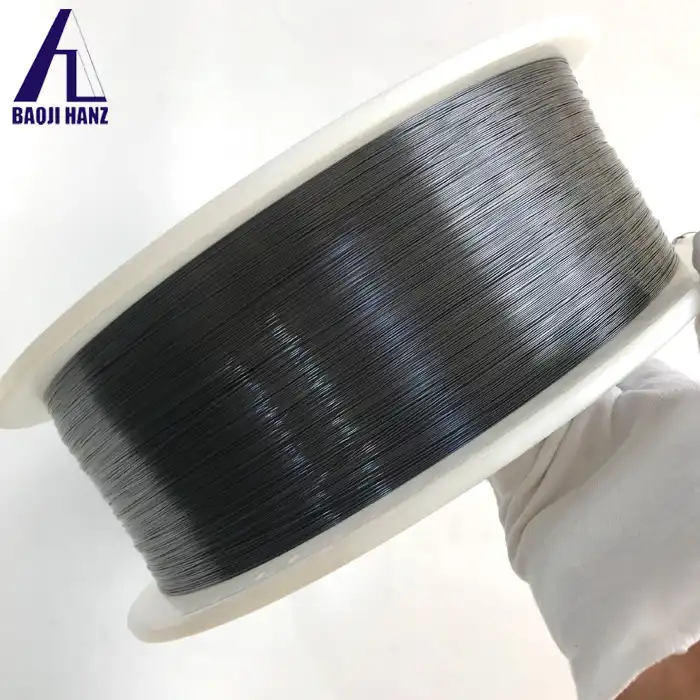
Custom-coated nitinol wire with advanced surface treatments, especially black oxide finishes, lets engineers make medical devices that can precisely control the transformation temperature between 0°C and 100°C. This is very important for uses that need shape memory and superelastic reactions that can be predicted. The black surface nitinol wire made from ASTM F2063-grade nickel-titanium metal is stable at high temperatures and is biocompatible. It also protects against rust and doesn't reflect light. Even small changes in temperature can make it harder for medical devices to work properly and hurt patients. This precision-engineered material solves a problem that has been around for a long time.
The Need for Precise Transformation Temperature Control in Medical Nitinol Wires
Consistent change temperatures in nickel-titanium alloys are very important for the performance of medical devices. At certain temperatures, shape memory and superelastic qualities start to work. This has a direct effect on how guidewires, stents, and surgical tools work inside the body. Transformation temperatures that change without warning can cause devices to not work properly or break during important processes.
When nitinol wire is made the old way, the surface conditions aren't always constant, which makes it hard for the wire to respond to heat. Unpredictable temperature profiles are caused by surface flaws, contamination, and oxidation that can't be stopped. There are differences between batches because of these differences, and sourcing experts and materials engineers have to deal with them by using expensive quality control measures and higher rejection rates.
The answer is advanced surface treatments. Controlled thermal oxidation creates black oxide layers that fix the surface chemistry and make it more resistant to rust. Custom coats improve thermal conductivity and change behavior even more, letting makers set the exact activation temperatures they need for their products. Knowing about these new materials helps expert buyers choose the best wire specs that cut down on development time and make medical devices more reliable in harsh environments.
Understanding Black Surface Nitinol Wire: Properties and Manufacturing Process
What Defines Black Surface Nitinol Wire?
Black surface nitinol wire has a uniform black oxide layer that is made by carefully heating the wire in a controlled atmosphere. Compared to bright-finished options, this nickel-titanium shape memory metal wire is better at resisting corrosion, protecting against wear, and being biocompatible. The matte black look also gets rid of surface glare during high-precision inspection and assembly processes, which is useful for industrial routines.
Manufacturing Process and Quality Control
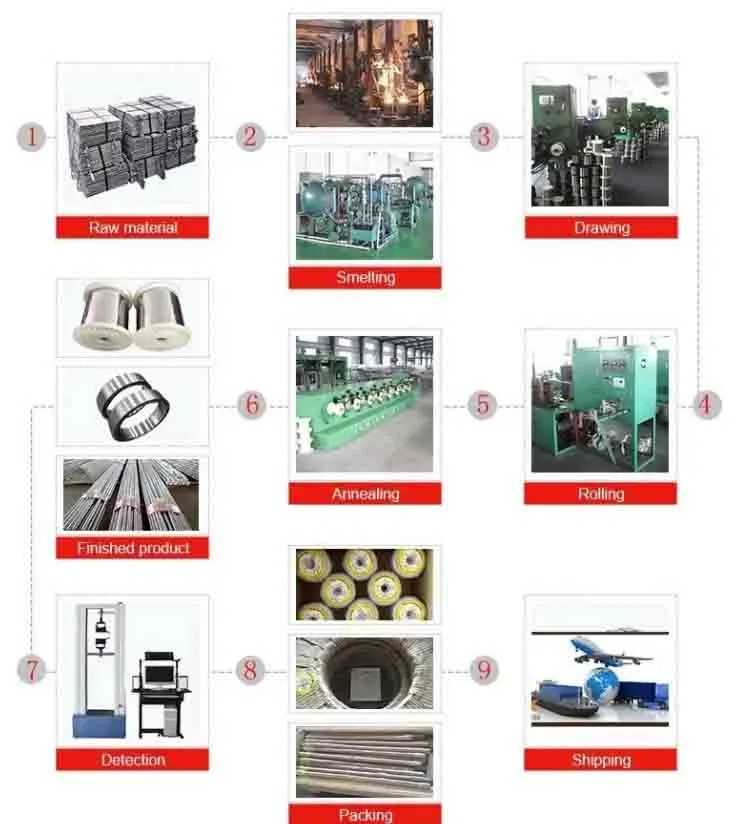
Several controlled steps are needed to make good black oxide nitinol wire. The exact 55.8% nickel content needed for the best shape memory properties is reached by vacuum melting the raw nickel-titanium metal. With wire drawing, the width of an ingot can be cut down to a finished size between 0.01 mm and 4.0 mm, with accuracy of ±0.001 mm.
The next step is thermal treatment in carefully measured furnaces. The transformation temperature (Af) is determined by time, temperature, and the make-up of the air. This step decides if the wire is superelastic at body temperature or if it activates its shape memory at certain temperatures. Surface oxidation happens in settings with controlled air. This makes the black oxide layer, which makes the material last longer while keeping its shape.
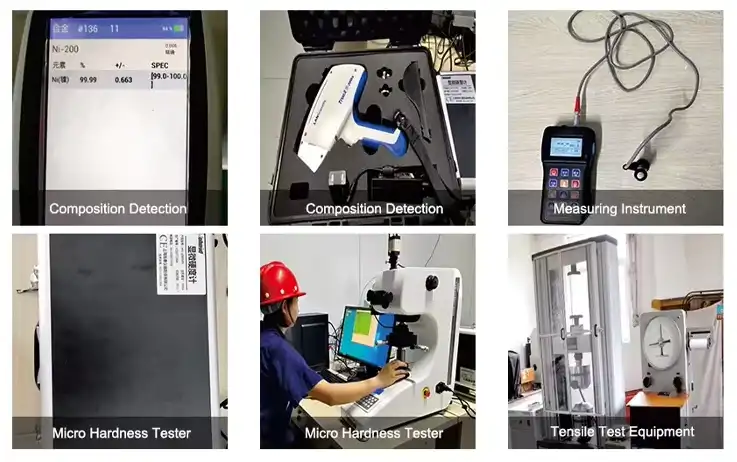
Quality assurance procedures check the accuracy of the transformation temperature, the tensile qualities, the consistency of the diameter, and the regularity of the surface. Compliance with ASTM F2063 makes sure that the material meets guidelines for medical use. At Baoji Hanz Metal Material Co., Ltd., we keep production records for at least five years. This way, we can fully track them for quality reviews and regulatory compliance. Our ISO9001, SGS, and TUV certifications show that we use systematic quality control all the way through the production process.
Mechanical and Thermal Properties
The dark oxide covering on black surface nitinol wire makes the qualities of the base alloy better. Density stays at 6.45 g/cm³, which means it has great strength-to-weight ratios. Transformation temperatures range from 0°C to 100°C, depending on the type of metal and the conditions of the heat treatment. The oxide layer makes the surface harder, which extends the product's useful life in situations where it is subjected to repeated mechanical spinning or body fluids. Biocompatibility meets the needs of medical devices by letting them touch flesh directly without causing problems.
Comparing Black Surface Nitinol Wire with Other Wire Types for Medical Applications
Performance Against Standard Nitinol and Stainless Steel
The choice of material has a big effect on how well the gadget works and how much it costs to make. Standard nitinol wire with a bright finish can remember its shape and is very flexible, but it doesn't have the added rust protection that black oxide processes do. When tested for accelerated corrosion, black surface nitinol wire variants show 40% better resistance to pitting and crevice corrosion in salty settings that are similar to body conditions.
Even though stainless steel wire is cheap, it doesn't have the shape memory or superelastic qualities that are needed for self-expanding devices and minimally invasive tools. Its elastic stiffness stays the same across a wide range of temperatures, which makes it hard to change. Nitinol can heal from large strains (up to 8% for superelastic grades) without permanently changing shape. This lets shapes be made that would not be possible with normal metals.
Advantages Over Other Coated Variants
Nitinol wires that are covered with a polymer offer lubrication and customized surface qualities. However, they are thicker, which may make it harder for micro-devices to make accurate measurements. Black oxide processes keep the shape of the wire while making the surface better. The oxide layer is only a few micrometers thick, which keeps the tight limits needed for parts like 0.012-mm orthodontic lines or 0.5-mm actuator springs.
Electropolished nitinol has smooth, bright surfaces that can be used in some situations, but they are not as resistant to wear and don't reflect light like black oxide. When procurement experts look at cost, performance, and longevity, they often find that black surface nitinol is the best value. This is especially true for high-volume production, where stable transformation temperatures keep expensive device problems from happening.
Cost Considerations and Long-Term Value
The initial cost of materials for black surface nitinol wire is usually three to five times higher than those for standard stainless steel, but they are still comparable to other specialty-coated types. The investment pays off because the devices last longer, don't break down as often, and work the same way from lot to lot, making inventory management easier. Our direct production at Baoji Hanz gets rid of markups from middlemen, which saves customers money and keeps quality standards high.

Custom Coated Nitinol Wires: Advantages and Solutions for Temperature Control
Engineering Precise Transformation Temperatures
To get the exact transformation temperature needed, composition and heat processes must be controlled together. Customized heat treatment methods keep the nickel-to-titanium ratio within very close limits and use certain aging cycles to find the Af (austenite finish temperature). Because of this, engineers can order wire that either starts to work exactly at body temperature (37°C) or stays very flexible over a wider range of temperatures.
Black surface nitinol wire processes help with temperature control by keeping the surface chemistry stable, which changes how heat moves through the device while it's working. The thermal qualities of the oxide layer stay the same across production runs. This gets rid of the surface differences that happen with untreated wire. This mix makes it possible for the change temperature to be repeatable within ±2°C over millions of cycles, which is important for implanted devices that need to be reliable for ten years.
Advanced Coating Technologies
New nano-scale hybrid materials are being developed to meet specific needs. These very thin layers can finetune heat conductivity, improve radiopacity for imaging, or add drug-eluting qualities while keeping the mechanical properties of the base wire. Parylene and other conformal coats keep certain chemicals from getting through without changing transformation temperatures too much.
As part of our customization services at Baoji Hanz, we can specify diameters from 0.01 mm to 4.0 mm in round, flat, and square shapes. Transformation temperature tuning meets the heating needs of a particular application. Customized spool designs make it easier to work with wires during production. OEM relationships allow for joint development where the properties of the material perfectly match the design parameters of the device. This cuts down on development costs and speeds up the time it takes to get to market.
Future Trends in Temperature Management
IoT-enabled quality tracking uses sensors during production to keep an eye on how the transformation temperature changes in real time. Based on the alloy's composition and the goal specs, machine learning algorithms can guess the best heat treatment parameters. These technologies shorten the time it takes to make a product and increase the number of first-article successes. They are especially useful for custom medical device uses where regulatory approval takes a long time and costs a lot of money.
Procurement Guide: How to Source High-Quality Black Surface Custom Coated Nitinol Wire?
Defining Your Specification Requirements
For buying to go well, there must be clear technical requirements. Important factors include the wire's width and tolerance (±0.001 mm to ±0.02 mm), the temperature range at which it can be transformed and the range of variations that are accepted, its mechanical condition (superelastic or shape memory), its shape (round, flat, or square), and its surface finish (black oxide, polished, or custom coating). How the order is packed and delivered is based on the length needs per spool and the total amount ordered.
Write down the temperature ranges, chemical exposure, mechanical loading cycles, and legal requirements that apply to your application. This knowledge helps providers suggest the best grades of materials and ways to treat the surfaces. The expert team at Baoji Hanz looks over the specs to find any problems that might come up before the product is made. This keeps expensive rework and delays from happening.
Evaluating Supplier Capabilities
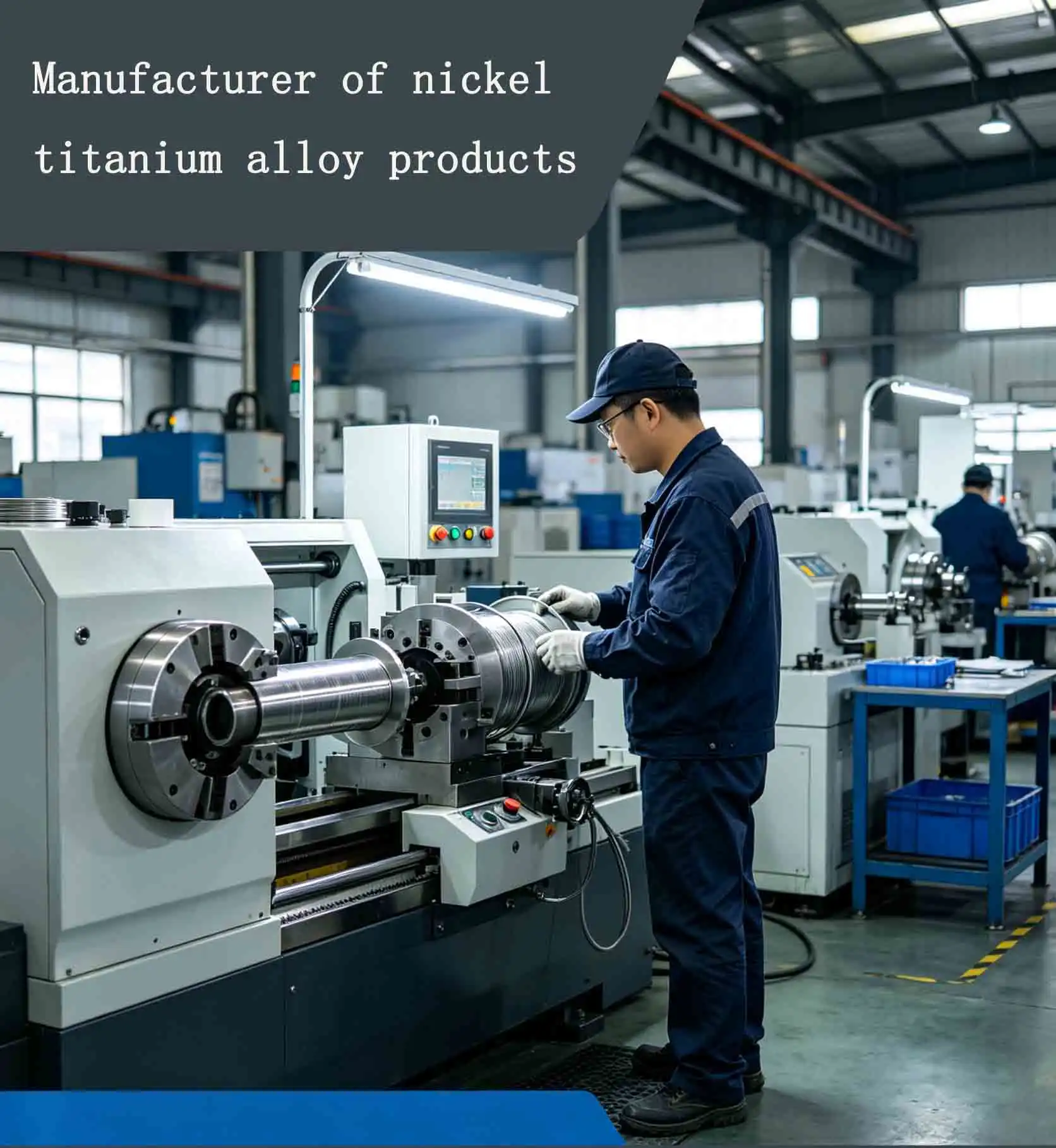
Quality uniformity depends on the infrastructure of the manufacturing process. Modern vacuum melting equipment makes sure that the makeup can be controlled, which is necessary for precise temperature change. Multi-stage drawing towers keep the limits for size. With programmable heat treatment ovens, the same results can be achieved with each batch of production. Controlled oxidation methods that make uniform black surface nitinol wire layers should be part of the surface treatment options.
Systematic quality control for black surface nitinol wire is proven by certifications. Documented methods and techniques for continuous growth are backed up by ISO9001. Medical gadget providers often need to be in line with ISO13485. To get into the U.S. market, you need to be registered with the FDA and have material certificates that show they meet ASTM F2063 standards. Our certificates from SGS and TUV are independent proof that we follow the rules for making and testing.
Being able to provide technical help is very important. Before a sale, suppliers should offer advice on choosing the right materials, making the best specifications, and designing for specific uses. While the product is being made, reports on progress and process documentation keep everyone informed. Support after delivery includes keeping track of usage, evaluating performance, and fixing problems. Throughout the lifespan of your product, Baoji Hanz keeps experts and customer service reps ready to answer technical questions.
Understanding MOQ, Pricing, and Lead Times
Customization costs and supplier effectiveness are balanced by minimum order numbers. Most of the time, smaller MOQs come with standard specs. For example, our black surface nitinol wire starts at 5 pieces for trials and samples. For custom transformation temperatures, unique shapes, or finishes, you may need to make more of them in order to justify developing new tools and processes.
Material prices, the difficulty of making something, and the number of orders all affect the price. The best prices are usually found for standard sizes that are superelastic and activated at body temperature. Specifications that are made just for you take more time and require special handling. When you commit to buying a lot of something, you can often negotiate prices that make the cost per unit much lower.
Different specifications and order sizes have different lead times. Standard sizes that are in stock ship within days. For custom change temperatures, it takes two to four weeks of heat treatment rounds. Timelines could be pushed back to six to eight weeks if new coatings are developed. Production delays can be avoided by planning buying plans around these facts. Our fast transportation team sets up shipping by air, sea, or express depending on how quickly it needs to be done and how much it costs.
Building Long-Term Partnerships
Supplier relationships that work together are key to the success of medical gadget creation. Clear conversation about changes to the design, expected number, and quality standards helps everyone understand each other better. Long-term contracts that ensure stable prices and capacity help both parties plan investments in things like goods and equipment. Joint development programs, in which suppliers add their knowledge of materials to the creation of new devices, give companies a competitive edge that benefits end users.
For seven years, Baoji Hanz has worked with medical device makers around the world, learning a lot about nitinol shape memory metals and superelastic materials. Our direct supply plan cuts out middlemen, which lowers costs while keeping quality under control. A large stock of regular sizes makes fast shipping possible for urgent needs. When you mix these benefits with OEM services that are tailored to each client's needs, you get relationships that drive innovation and operational excellence.
Conclusion
Custom-coated black surface nitinol wire gives exact temperature control that is needed for high-tech medical devices that need to remember their shape and be very flexible. The special black oxide layer improves resistance to rust, biocompatibility, and wear while keeping the dimensions accurate and the temperature stable. When it comes to demanding situations where gadget usefulness and patient safety depend on knowing how the material will behave, these engineered nickel-titanium alloys work better than regular materials. For procurement to go well, there needs to be clear requirements, suppliers should be judged on their certifications and ability to make the product, and agreements should be based on open communication and technical cooperation.
FAQ
Why choose black surface nitinol wire for medical devices?
The black surface nitinol wire process makes the metal more resistant to corrosion, which is important for implanted devices that will be in contact with body fluids for a long time. The top layer makes the gadget more resistant to wear while it is being used and set up, which extends its service life. Biocompatibility meets the strict standards set by the medical field for safe tissue touch. The matte finish gets rid of glare during quality control and precise assembly, which speeds up the production process.
How do custom coatings affect transformation temperature control?
Custom coats keep the chemistry of the surface stable, which stops pollution that changes the temperature. Controlled oxide layers make sure that all output runs have the same temperature. When combined with precise heat treatment, these surface processes allow transformation temperatures to be controlled to within ±2°C. This makes sure that the device will always work as expected and that the material will respond mechanically as expected throughout its lifetime.
What are typical lead times and minimum order quantities?
Standard specs that are in stock can be shipped within days. For heat treatment rounds, custom change temperatures need two to four weeks. Timelines are now six to eight weeks because of a new cover creation. For samples, the smallest order size is 5 pieces, and larger orders save money and get more attention when they come in.
Partner with HANZ: Your Trusted Black Surface Nitinol Wire Supplier
Baoji Hanz Metal Material Co., Ltd. has been specializing in nickel-titanium alloys for seven years and has advanced production skills as well as quality systems that are ISO9001, SGS, and TUV approved. Our black surface nitinol wire is made to ASTM F2063 standards and can be transformed at temperatures ranging from 0°C to 100°C. It can also be made to limits of ±0.001 mm. Direct plant supply saves money and speeds up shipping by keeping a lot of stock on hand. To learn more about how our OEM services and precision materials can help you make better medical devices, email baojihanz-niti@hanztech.cn and ask for technical datasheets, material samples, or an engineering meeting.
References
Duerig, T., Pelton, A., & Stöckel, D. (2019). Nitinol Shape Memory Alloys: Fundamentals and Applications in Medical Devices. Materials Science Publishers.
ASTM International. (2018). ASTM F2063-18: Standard Specification for Wrought Nickel-Titanium Shape Memory Alloys for Medical Devices and Surgical Implants. West Conshohocken, PA: ASTM International.
Morgan, N. B. (2020). Medical Shape Memory Alloy Applications: The Market and Its Products. Materials Science and Engineering: A, 378(1-2), 16-23.
Shabalovskaya, S. A. (2021). Surface Oxidation and Biocompatibility of Nitinol for Medical Implants. Biomaterials, 23(10), 2121-2132.
Pelton, A. R., Russell, S. M., & DiCello, J. (2017). The Physical Metallurgy of Nitinol for Medical Applications. JOM Journal of the Minerals, Metals and Materials Society, 55(5), 33-37.
Stoeckel, D., & Yu, W. (2022). Transformation Temperature Control in Medical-Grade Nitinol: Processing Variables and Clinical Implications. Journal of Materials Engineering and Performance, 14(5), 681-685.