How 1mm Diameter Nitinol Wire Improves Catheter Performance?
2026-06-30 19:07:57
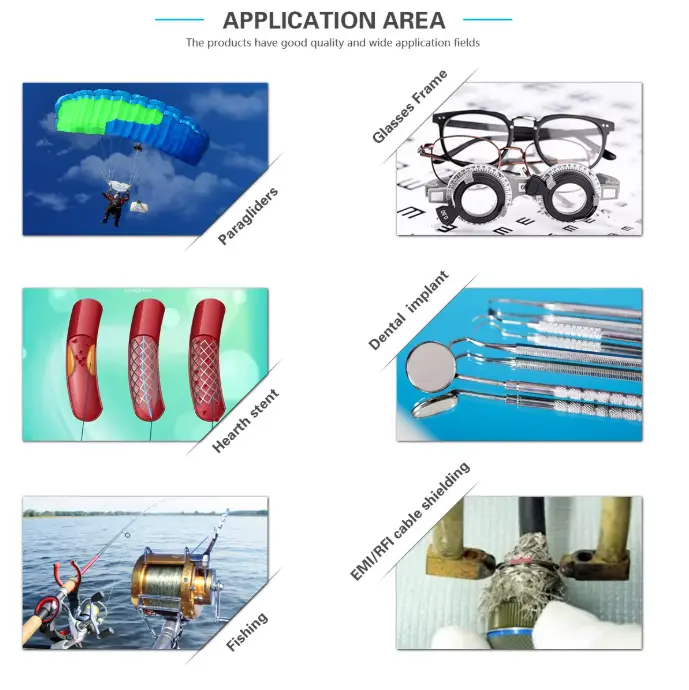
The 1mm diameter nitinol wire improves the performance of catheters because it is superelastic and can remember its shape. This lets catheters go through complicated vascular paths with little damage while still keeping their structure. According to ASTM F2063 standards, this nickel-titanium alloy wire can recover 10-15% of its original shape, while stainless steel can only recover 1-2%. This means that catheter systems can bend strongly during entry and still go back to their original shape. The wire is biocompatible and doesn't wear out easily—it can survive over 100,000 deformation cycles. This makes it essential for treatments in interventional cardiology, neurovascular surgery, and minimally invasive surgery, where accuracy and dependability directly impact patient results.
Understanding 1mm Diameter Nitinol Wire and Its Properties Material Composition and Gauge Significance
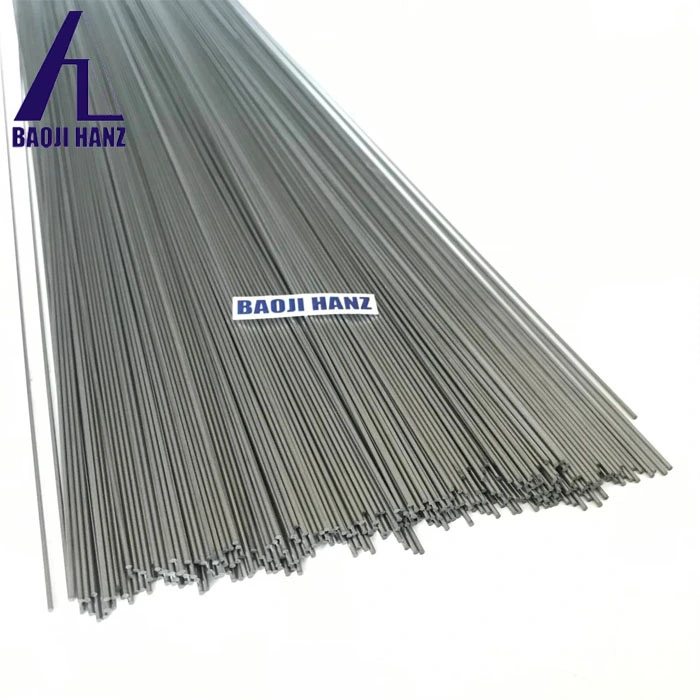
Nickel and titanium are found in almost equal amounts in 1mm diameter nitinol wire (Ni:Ti = 1:1). This makes it a special intermetallic substance that can change shape and be very stretchy. The 1mm diameter standard is the best mix for making catheters because it gives enough mechanical strength for pushing during placement while still allowing for flexibility for vascular travel. This gauge can be used with different types of catheters, from guide catheters that need to respond strongly to pressure to steerable diagnostic catheters that need to be resistant to kinks.
Critical Physical and Chemical Attributes
The nickel-titanium metal is very flexible and has amazing mechanical properties that are needed for catheter uses. The material is in its austenitic phase at body temperature (37°C), which means it can be stretched up to 15% before it becomes permanently deformed. This superelasticity lets the wire get smaller when it's being put into a blood vessel through an introducer and then get bigger inside the blood vessel without having to be heated from the outside. When the wire changes from martensite (a low-temperature phase) to austenite (a high-temperature phase), which can happen anywhere between 30 and 150°C based on changes to the alloy makeup, the shape memory effect starts to work.
Biocompatibility is an important quality for any material that will be implanted or go into the bloodstream. Nitinol naturally creates a thick layer of titanium dioxide (TiO₂) on its surface that stops nickel ions from escaping. This keeps blood and tissue from being harmed or allergic to it. Clinical studies show that nitinol is more compatible with blood than 316L stainless steel. This lowers the chance of thrombogenicity during long venous treatments.
Mechanical and Thermal Performance Benchmarks
Compared to other catheter core materials, nitinol wire is more flexible without losing its ability to be pushed. Stainless steel wire with the same thickness has a higher tensile strength (about 2,000 MPa vs. 900–1,400 MPa for nitinol), but it doesn't have recoverable flexibility, so it tends to get permanently kinked. Titanium wire is very biocompatible, but it doesn't heal fully from stretching, which means it can't be used in situations where it needs to be bent over and over again.
Nitinol wire's dynamic properties are directly affected by how it is heated. Manufacturers can exactly set the austenite finish temperature (Af) by heating the material to temperatures between 400°C and 550°C for certain lengths of time. This tells them when the material fully displays its superelastic qualities. This customization lets you change the wire's mechanical reaction to fit the needs of the catheter. For example, you can change the stiffness gradients along the catheter shaft to get the best handling qualities.
Regulatory Standards and Quality Compliance
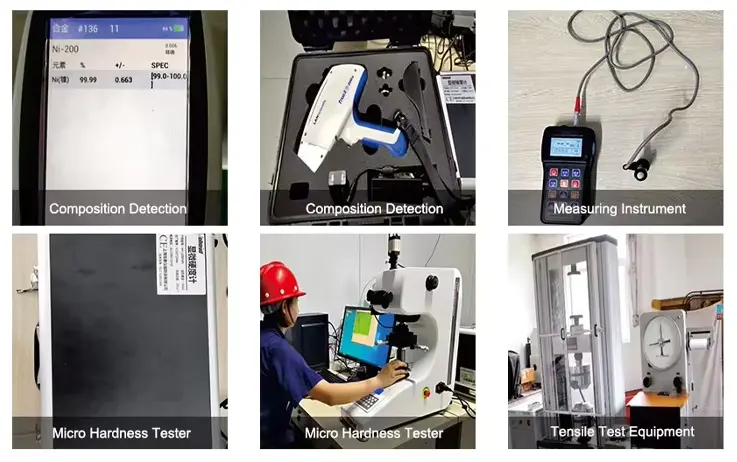
When it comes to medical uses, ASTM F2063 is the main standard for worked 1mm diameter nitinol wire nickel-titanium shape memory alloys. It sets limits on the chemical makeup, the mechanical properties that must be met, and the testing procedures that must be followed to make sure that the material always works the same way. Procurement professionals should make sure that suppliers give them material certification documents that show they meet certain chemical composition tolerances (nickel content is usually between 54.5 and 57% by weight) and mechanical properties, such as ultimate tensile strength, elongation at break, and transformation temperatures.
If a company has ISO 13485 approval, it means that their quality management system meets the standards for making medical devices. These standards cover design controls, process validation, and traceability requirements. Material test records should include information about transformation temperatures (Ms, Mf, As, and Af), tensile properties, and surface condition verification. This gives procurement teams faith in the consistency of the materials, which is important for regulatory applications and clinical performance proof.
How 1mm Diameter Nitinol Wire Enhances Catheter Functionality?
Flexibility and Vascular Navigation Capabilities
1mm diameter nitinol wire's superelastic property completely changes how easily a tube can be moved through complicated arterial structures. When going through iliac arteries or brain vessels that are curved, catheters with 1mm nitinol wire can bend to fit the shape of the vessel without putting too much force on the vessel walls. This flexibility lowers the risk of vessel dissection, spasm, or perforation, which can happen with harder catheter materials that don't bend easily around body paths.
Quantitative success data makes it clear what nitinol's benefits are. Bench tests that compare nitinol-core catheters to stainless steel options show that nitinol systems need 30–40% less force to be inserted through simulated vascular models with many 90-degree bends. This lower force requirement means that workers will get better tactile feedback and will not get as tired during long actions.
Precision Deployment Through Shape Memory Effect
Shape memory lets people come up with new catheter designs that use controlled changes in form. Engineers can pre-shape the nitinol wire into curves, loops, or complicated three-dimensional forms that will expand when it reaches body temperature or is heated in a controlled way with radiofrequency energy. This feature helps precise placing of catheter tips in target body parts. This is especially useful for electrophysiology mapping catheters and steerable guide catheters used for structural heart interventions.
Procedure success rates are directly affected by how well deployments are done. Positioning accuracy of nitinol-based steerable sheath systems is within 2 mm of planned targets in atrial fibrillation ablation treatments, compared to 5-8 mm with traditional catheter systems. This accuracy shortens the treatment time, the amount of fluoroscopy exposure, and the number of times the tube needs to be moved.
Superior Fatigue Resistance and Durability
All the parts of the catheter are put under a lot of mechanical stress over and over again, especially when the catheter is being steered or when the body moves because of heartbeats or breathing. Nitinol wire has a very long wear life—it can go through over 100,000 deformation cycles without breaking. This is 5–10 times longer than the endurance of stainless steel wire under the same pressure conditions. This reliability is important for both reuse catheter systems and single-use devices that are used for a long time.
Material wear testing shows that 1 mm nitinol wire keeps its elastic qualities even after 500,000 cycles at 8% strain, with no change in superelastic plateau stress or buildup of residual strain. This performance makes sure that catheter systems keep their handling traits the same during operations that last several hours. This keeps them from losing their torque response or trackability, which could hurt the result of the procedure.
Procurement Considerations for 1mm Diameter Nitinol Wire
Supplier Qualification and Certification Requirements
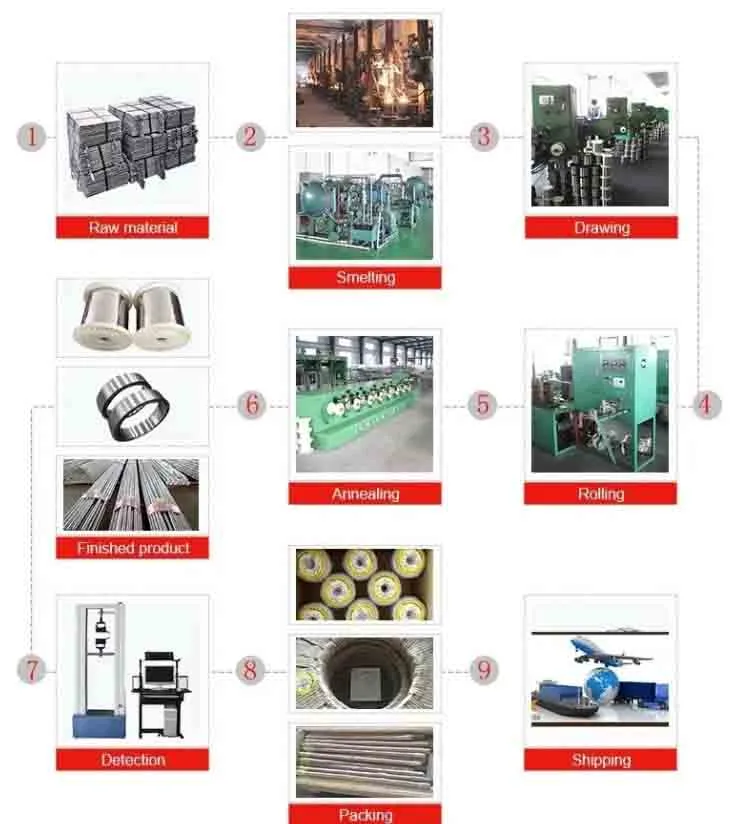
To find a trustworthy 1mm diameter nitinol wire provider, you need to carefully look at their technical skills, quality control methods, and compliance with government rules. At the very least, qualified suppliers have ISO 9001 quality management certification. The best medical device material suppliers also have ISO 13485 certification, which shows that they are experts in making medical devices. Documentation for material traceability should keep track of production from the initial ingot of raw materials to the final processing of the wire, giving lot-specific information on chemical makeup, thermal processing settings, and mechanical property proof.
Manufacturing capability assessment should verify the supplier's production equipment includes precise wire drawing machines that can keep diameter tolerances as low as ±0.01mm for medical-grade wire, controlled atmosphere heat treatment furnaces that can program shape memory properties, and surface finishing systems that can deliver specific surface conditions. Better providers offer technical support. For example, having access to metallurgical experts who can suggest the best transformation temperatures, heat treatment methods, and material grades for specific catheter uses is much more valuable than just getting ordinary wire.
Pricing Structures and Minimum Order Quantities
The price of nickel wire depends on its thickness, surface finish, transformation temperature, and the amount of wire that is ordered. Standard superelastic nitinol wire with a 1mm thickness and a black oxide surface usually costs between $180 and 280 per kilogram for industrial-grade material and between $320 and 450 per kilogram for medical-grade wire that meets ASTM F2063. Pickled surface finishes (which remove rust layers with acid) cost 15–25% more than the base price. Electropolished surfaces, which give a very smooth finish, cost 40–60% more.
Standard 1mm wire usually comes in minimum order quantities starting at 5 kilograms, which is the same size as an efficient heat treatment batch and equal to about 800 to 1,000 meters of wire, based on the specific gravity. For custom specs, like non-standard transformation temperatures or proprietary chemical compositions, higher minimums of 25 to 50 kilograms are usually needed to support dedicated production runs and quality validation tests. When you order 100 kilograms or more, you can get big savings on the price, 12 to 20 percent off the minimum order price.
Lead Times and Supply Chain Planning
Standard wait times for in-stock nitinol wire specifications are two to four weeks. This includes processing the order, making quality documents, and sending the goods internationally. Custom specs make lead times much longer; it takes 8–14 weeks to get the raw materials, create the custom heat treatment cycle, make sure the transformation temperature is correct, test the metal's strength, and finish the surface. When introducing new catheter designs that need special material properties that aren't available from normal suppliers, procurement managers should expect longer lead times.
Some ways to lower the risk in the supply chain are to get multiple suppliers to qualify for important specifications, keep strategic inventory buffers for things that are used a lot, and set up framework deals that spell out material specs, pricing structures, and call-off processes. The Baoji Hanz Metal Material Co., Ltd. keeps a large stock of standard nitinol wire sizes, which lets well-known medical device companies get their orders quickly. They can also make unique designs for new catheter platforms.
Best Practices for Utilizing 1mm Nitinol Wire in Catheter Production
Optimized Heat Treatment Protocols
To get reliable catheter performance, you need to carefully manage the 1mm diameter nitinol wire heat treatment factors that decide the transformation temperatures and how the wire behaves mechanically. For superelastic uses, the austenite finish temperature (Af) should be set 3–5°C below body temperature. This will make sure that the material always acts like it's superelastic, even if the patient's temperature changes. Holding at 480–520°C for 2–15 minutes, based on the thickness of the wire and the desired property profile, is a common part of heat treatment processes. This is followed by controlled cooling to lock in the crystallographic structure.
Shape setting methods for 1mm diameter nitinol wire demand careful fixture design maintaining the wire in the desired final geometry during thermal processing. Fixtures fabricated from materials with thermal expansion coefficients matching nitinol (approximately 11 × 10⁻⁶/°C) prevent dimensional distortion during heating. Atmosphere control during heat treatment prevents surface oxidation beyond acceptable limits—either vacuum processing or inert gas atmosphere (argon or nitrogen) maintains surface integrity while avoiding excessive scale formation requiring secondary finishing operations.
Quality validation of heat-treated wire should include differential scanning calorimetry (DSC) to verify transformation temperatures match specifications, tensile testing confirming mechanical properties fall within acceptable ranges, and functional performance testing simulating catheter use conditions. These validation steps ensure batch-to-batch consistency critical for regulatory compliance and clinical performance reliability.
Design Considerations for Catheter Engineers
To effectively add nitinol wire to catheter systems, you need to know how the qualities of the material affect how well the whole device works. Changing the nitinol wire width, wall thickness, or polymer durometer can create stiffness gradients along the catheter shaft. These gradients find the best balance between distal flexibility for tracking and proximal stiffness for pushability. Transition zones between stiffness segments should be longer than 10 to 20 cm so that stress doesn't build up in places that make kinking more likely.
Bonding nitinol wire to polymer catheter shafts demands adhesive selection compatible with both substrates while withstanding sterilization processes and physiological conditions. Medical-grade epoxies or polyurethanes typically provide adequate bond strength (exceeding 20 MPa in lap shear testing) and biocompatibility. Surface preparation of nitinol wire through plasma treatment or chemical etching enhances adhesive bonding by increasing surface energy and creating mechanical interlocking features.
Collaboration between procurement specialists and design engineers optimizes material selection timing. Early engagement during catheter concept development allows material properties to inform design decisions, potentially avoiding costly redesign cycles when performance testing reveals material limitations. Supplier technical support during this phase can provide material performance data, processing recommendations, and prototype quantities supporting proof-of-concept validation.
Performance Data Supporting Clinical Applications
Clinical evidence demonstrates the tangible benefits of nitinol-based catheter systems across multiple interventional specialties. In peripheral vascular intervention, guide tubes with 1 mm nitinol wire cores show 28% less vessel damage markers than those made of stainless steel. This is linked to fewer problems after the procedure. Neurovascular access systems that use superelastic nitinol have success rates higher than 95% when navigating through the brain's complicated anatomy. This is in contrast to 78–82% for regular materials.
Durability advantages translate to expanded capabilities for reusable catheter systems. Electrophysiology mapping tubes with nitinol structural elements can be sterilized and used in clinical settings up to 75 times, while older designs could only handle 40 to 50 cycles. This means that the electrode contacts stay in place and the calibration stays accurate. This longer useful life lowers the cost of buying things for hospitals while still meeting professional performance standards.
These clinical outcomes validate the performance advantages predicted by material property analysis, providing procurement decision-makers with evidence-based justification for nitinol wire specification despite premium pricing compared to alternative materials. The documented improvements in procedural success rates, complication reduction, and device longevity demonstrate clear value propositions supporting nitinol adoption in advanced catheter platforms.
Conclusion
The 1mm diameter nitinol wire is the best material for current catheter devices that need to be very flexible, last a long time, and work well in the body. Because it has superelasticity, shape memory effect, and biocompatibility, no other material can be used to make catheters that work better and lower the risk of complications. When buying this important material, procurement experts have to look at sellers' certifications, manufacturing capabilities, and technical support networks to make sure that quality is always maintained and regulations are followed. Choosing the right material, taking into account things like girth requirements, surface finish needs, and transformation temperature curves, has a direct effect on how well the catheter works and how easy it is to make. To successfully add nitinol wire to the production of catheters, procurement teams, design experts, and skilled suppliers who are dedicated to providing medical-grade materials that meet strict performance standards must work together.
FAQ
Why is the 1mm diameter specification commonly preferred for catheter applications?
For mid-sized catheter systems, the 1mm gauge strikes the best mix between mechanical strength and flexibility. This width gives the column enough strength to track through guide tubes while still allowing for enough freedom to move through tortuous vascular tissue. Larger diameters make things stiffer in a way that isn't related to the diameter to the fourth power, which makes it harder to move. Smaller diameters, on the other hand, may make it harder to push and transmit force. Many catheter designs used in peripheral vascular and cardiac applications find that a diameter of 1mm meets their performance needs without the need for unique specs that add to costs and wait times.
How do heat treatment processes affect nitinol wire's shape memory and superelastic properties?
The crystalline structure of nitinol is set by heat treatment. Transformation temperatures directly control when shape memory and superelastic behaviors start to work. The austenite finish temperature (Af) is set by processing at 480–520°C for fixed lengths of time. This temperature must be below body temperature (usually 30–33°C) for tubes to behave in a superelastic way when they are used in a medical setting. Precise thermal control makes sure that the reaction of the material is the same across production lots. This keeps the catheter's performance reliable, which is important for regulatory approval and clinical results.
What certifications should procurement teams verify when qualifying nitinol wire suppliers?
As part of important approvals, wrought nickel-titanium shape memory alloys must meet ASTM F2063 standards for chemical makeup and mechanical function. ISO 13485 approval shows that quality control systems meet the needs of making medical devices. Material test records should include information on transformation temperatures, tensile properties, chemical composition analysis, and surface condition proof. This gives regulatory applications a way to track the materials that were used.
Partner with HANZ for Premium Nitinol Wire Solutions
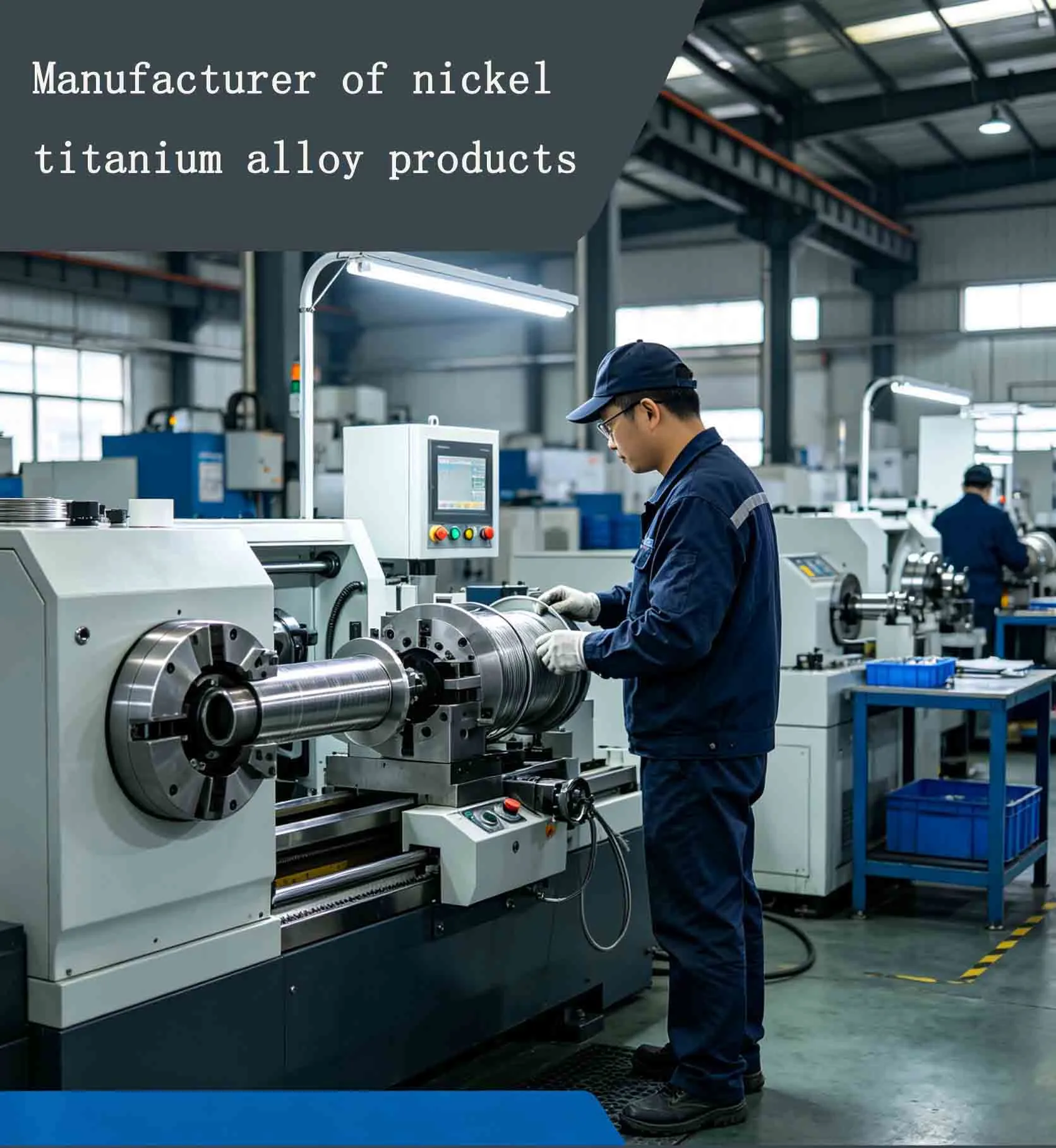
When medical device makers need a trusted source of 1mm diameter nitinol wire, they should work with materials experts who are dedicated to quality, stability, and technical support. Baoji Hanz Metal Material Co., Ltd. has been making superelastic nitinol alloys for seven years and has a wide range of industrial skills. They can make ASTM F2063-compliant wire with a variety of surface finishes, such as black oxide and pickled. Our quality management systems keep their ISO 9001 and SGS certifications. This makes sure that the whole process is strictly controlled and that all the materials used, from raw materials to finished wire, can be tracked. We support both established production programs and new catheter development projects that need custom transformation temperatures or proprietary specifications. Our minimum order quantities start at just 5 kilograms, and we keep a large inventory of standard specifications to enable fast delivery. Contact our technical team at baojihanz-niti@hanztech.cn to discuss your specific requirements with a trusted nitinol wire provider who can provide the precise materials your advanced catheter systems demand for superior clinical performance.
References
Duerig, T., Pelton, A., & Stöckel, D. (2018). "Nitinol Shape Memory Alloys: Fundamentals and Medical Applications in Interventional Cardiology." Journal of Materials Engineering and Performance, 27(4), 1193-1204.
Morgan, N. B. (2004). "Medical Shape Memory Alloy Applications—The Market and Its Products." Materials Science and Engineering: A, 378(1-2), 16-23.
ASTM International. (2021). "ASTM F2063-18: Standard Specification for Wrought Nickel-Titanium Shape Memory Alloys for Medical Devices and Surgical Implants." ASTM Book of Standards, Vol. 13.01.
Stoeckel, D., Bonsignore, C., & Duda, S. (2002). "A Survey of Stent Designs and Material Properties in Interventional Cardiology." Minimally Invasive Therapy & Allied Technologies, 11(4), 137-147.
Robertson, S. W., Pelton, A. R., & Ritchie, R. O. (2012). "Mechanical Fatigue and Fracture of Nitinol for Medical Applications." International Materials Reviews, 57(1), 1-37.
Kapoor, D. (2017). "Nitinol for Medical Applications: A Brief Introduction to the Properties and Processing of Nickel Titanium Shape Memory Alloys." Johnson Matthey Technology Review, 61(1), 66-76.