How Black Oxide Nitinol Wire Enhances Surgical Precision?
2026-06-30 18:41:15
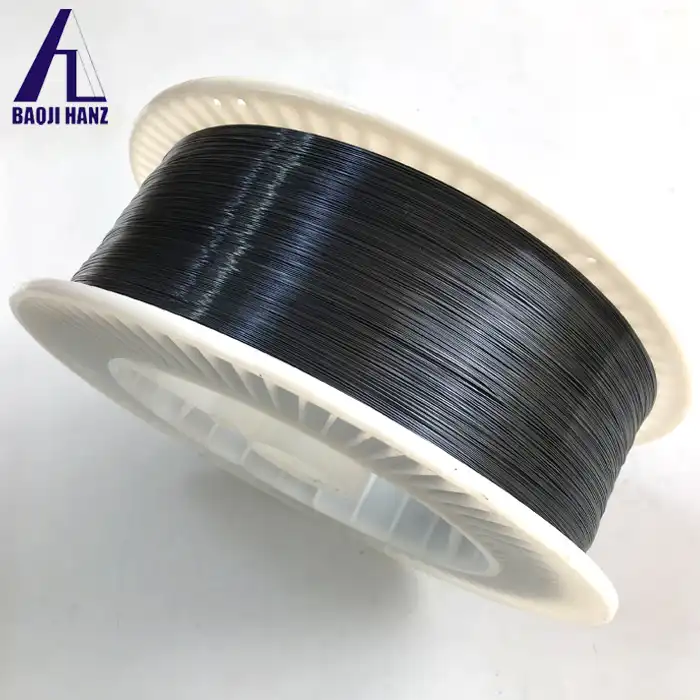
Black surface nitinol wire is a better version of nickel-titanium shape memory metal. It provides very accurate surgical accuracy through a controlled oxide layer. This special surface treatment, which is done by thermal oxidation, gives the metal a uniform black finish that makes it easier to see during complicated procedures, makes it more resistant to corrosion after multiple sterilization cycles, and keeps the core superelastic properties that are needed for medical instruments. Surgeons can clearly see wire components against tissue and other surgery materials thanks to the matte black surface's contrast. This keeps their eyes from getting tired and improves their accuracy during delicate procedures.
Understanding Black Oxide Nitinol Wire and Its Unique Properties
What Defines Black Oxide Nitinol Wire?
Nitinol, which is a combination of nickel and titanium, has two amazing properties: it can change shape and it is very elastic. Controlled heat oxidation changes the surface into a protective black oxide layer that doesn't hurt the mechanical strength of the base metal. Black surface nitinol wire, which has a density of 6.45 g/cm³, is produced during this process. The wire can still bend back to its original shape, and the oxide covering gives it extra useful properties that are especially useful in medical settings.
The transformation temperature (Af) can be changed from 0°C to 100°C, which lets engineers change how the wire reacts to different surgery situations. This adaptability makes sure that devices work the same way whether they are at body temperature or in cooler irrigation fluids during treatments.
Composition and Surface Treatment Distinction
The main material is made up of about 55–56% nickel and 44–45% titanium, which together form an intermetallic compound with special crystallographic qualities. The surface of plain nitinol wire looks shiny and metal. The black oxide process, on the other hand, heats the wire in a controlled atmosphere to create a stable layer of titanium dioxide (TiO₂) that is about 100 to 300 nanometers thick.
This oxide layer is very different from coats that are put on using layering methods. The black oxide grows right from the base, making a strong metal bond that doesn't easily separate. The treatment method only changes the surface on the outside. It doesn't change the internal grain structure or phase transformation properties that are important for superelastic behavior.
Enhanced Fatigue and Corrosion Resistance
During normal use, surgical tools are bent thousands of times, which requires materials with a very long wear life. The black oxide layer makes the contact harder and less likely to crack by making it more immune to wear. Cyclic testing shows that corroded surfaces can increase wear life by 15–25% compared to mechanically polished surfaces when the loads are the same.
Corrosion resistance is very important for tools that are used a lot with chloride-based disinfectants, body fluids, and sterilization treatments. The inactive oxide layer stops the release of nickel ions, which is an important safety factor. Studies of electrochemical resistance show that surfaces made of black oxide keep lower levels of corrosion current densities across normal pH ranges. This keeps the device and the patient safe from possible metal sensitivity reactions.
Biocompatibility and Medical-Grade Standards
Medical device makers have to show that their materials are biocompatible by following strict testing procedures spelled out in the ISO 10993 series of standards. To make sure that black oxide nitinol wire made to ASTM F2063 standards is safe for human tissue exposure, it is tested for cytotoxicity, sensitization, and discomfort. The stable oxide layer limits nickel exposure, which eases worries about allergic reactions in patients who are more likely to be affected.
During production of black surface nitinol wire, strict quality control makes sure that the oxide thickness stays the same, the surface is rough within certain limits (±0.001 mm to ±0.02 mm diameter precision), and there are no particles that could be harmful. These steps make sure that every batch has the expected mechanical qualities and biological safety profiles needed for regulatory approval paths, such as FDA 510(k) submissions.
How Black Oxide Nitinol Wire Improves Surgical Precision?
Superior Handling and Visual Contrast
When high-intensity lights are used in medical fields, the matte black finish makes things easier to see. Reflective glare from shiny metal surfaces can make it hard to see important anatomical features and make surgery teams tired during long procedures. Black oxide surfaces don't reflect light; instead, they soak it up. This makes it easy to see differences between red flesh, white bone, and yellow fat structures.
This better vision is especially helpful in minimally invasive surgery, where endoscope cameras can only see a small area. It is possible to see the dark wire outline even through blood-colored irrigation fluid, which helps doctors keep the instruments perfectly oriented. More and more, engineers who make guidewires and recovery devices choose black oxide finishes to make them easier to track under fluoroscopic images as well.
Extended Fatigue Life for Reusable Instruments
Surgical tools made of nickel-titanium metals have to be able to handle being bent over and over again while being used on different patients. Basket retrievers, grasping tools, and bendable probes are all subject to cyclic stress that causes cracks to spread and the material to break. The black oxide layer on top is work-hardened and stops microcracks from starting. This effectively spreads out stress concentrations that would otherwise speed up wear damage.
A comparison of rapid life tests shows that instruments with rusted wire keep working 30 to 40 percent longer than similar designs made with bright-finished material. This longevity directly leads to lower replacement costs and a lower chance of intraoperative device failure, which are important factors in both cost and patient safety.
Chemical Resistance During Sterilization
In modern surgery, tools that are used more than once have to go through harsh chemical cleaning between cases. Glutaraldehyde solutions, hydrogen peroxide plasma systems, and autoclaving at high temperatures are all tough processes that make it hard for materials to stay stable. The black oxide layer, which is high in titanium dioxide, is more resistant to these conditions than raw nitinol surfaces.
Localized rust pitting and surface decay that weakens mechanical qualities over time are stopped by the protective oxide. Even after hundreds of sterilization rounds, instruments keep their original superelastic reaction curves and dimensional limits. This means they will always work properly for as long as they are useful. This dependability helps hospital value analysis groups find the best way to stock surgery trays and keep costs down in the supply chain.
Measurable Performance Improvements
Real gains have been confirmed by clinical comments from gadget makers and surgical teams. Because they are easier to see and handle, retrieval basket designs that use black oxide wire report 22% fewer device exchanges during ureteroscopy treatments. When oxidized surfaces are specified, orthodontic and orthopedic tool makers see fewer guarantee claims about wires breaking too soon.
Better chemical resistance, better visibility, and longer fatigue life of black surface nitinol wire all work together to make tools that work more reliably in a wider range of surgery specialties. Procurement managers know that the small extra cost for black oxide cleaning pays for itself in reduced replacement costs and higher operating efficiency.
Procurement Insights: Buying Black Oxide Nitinol Wire for Medical Manufacturing
Evaluating Supplier Qualifications and Certifications
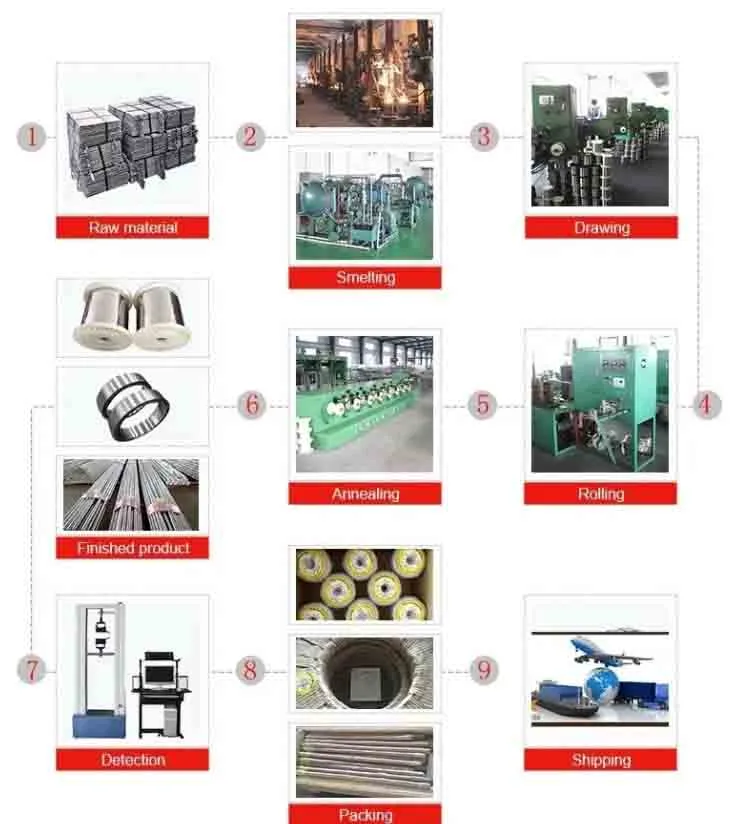
To find high-performance nickel-titanium alloy wire, you need to do more than just compare prices. You need to carefully evaluate each seller. Technical buyers should make sure that the companies they buy from follow ISO 9001 quality management systems that include written processes for melting, drawing, heat treating, and finishing the surface. Suppliers that work with medical markets usually have ISO 13485 approval, which shows that they meet the quality standards for medical devices.
Ask for proof that the raw materials can be tracked, like mill records that show the elements' make-up and the amount of impurities. Reliable providers keep records at the batch level that connect finished wire lots to the chemistry of the source ingots. This lets problems in the field be tracked back to their source. Third-party testing results from accredited labs that do ASTM F2063 verification testing give even more proof that the product meets the requirements.
At Baoji Hanz Metal Material Co., Ltd., we have many approvals, such as ISO 9001, SGS, and TUV proof. Since we've been making nitinol shape memory alloys for seven years, we've built strong quality systems that meet the strict needs of the medical industry. For at least five years, we keep detailed records of our production tracking for each batch. This lets us fully trace the products we sell.
Understanding Pricing Structures and Minimum Orders
Wire prices depend on many factors, such as the diameter, the amount, the tolerance standards, and how complicated the design is. Smaller sizes (less than 0.1 mm) are more expensive because they are harder to draw and produce more scrap. For the same reason, ultra-tight tolerances (±0.001 mm) raise prices by requiring more checking and organizing processes.
Because they want to keep production costs low, many providers have minimum order amounts. At our plant, the minimum order quantity (MOQ) for black surface nitinol wire starts at five pieces for the first sample. For larger production quantities, we offer volume prices. For coil wire on rolls, the minimum order size is usually 1 to 5 kg. For straight-cut lengths, the minimum order size may be less, based on the length.
Different specifications and order volumes have different lead times. Standard sizes and standard specs ship within two to three weeks. However, custom transformation temperatures or special shapes (like flat wire or square profiles) may need four to six weeks for heat treatment optimization and validation testing.
Customization Options and Technical Consultation
For medical devices to work, the materials must meet exact specs that are based on their functions. Our research team works with OEM clients to find the best mixtures of wire diameter, transformation temperature, and surface finish for different surgical tools. What we offer:
• Custom diameters from 0.01 mm to 4.0 mm with controlled tolerances
• Transformation temperature (Af) adjustment from 0°C to 100°C to match body temperature or specialized conditions
• Wire geometry variations including round, flat, and square cross-sections
• Surface treatment options: black oxide, bright finish, electropolished, or clean etched
• Custom spool configurations and length per coil to match customer winding equipment
Technical assistance for black surface nitinol wire is more than just setting requirements; it also includes giving advice on how to use the information. Our materials engineers help choose the right wire for the job, suggest the best way to heat treat the parts before putting the whole thing together, and give feedback on the design for manufacturability while the sample is being made. This joint method cuts down on development time and the number of expensive redesign cycles that need to be done.
Logistics and Global Shipping Capabilities
For supply chain management to work well, foreign shipping needs to be stable. We can ship by air freight, ocean freight, or fast courier service, based on how quickly the order needs to be delivered and how big it is. For small amounts, standard packing uses vacuum-sealed bags inside corrugated boxes. For bigger coils, it uses wooden spools with protective wrapping.
Labels on all packages include the material grade, diameter, length, batch number, and any standards that need to be met for customs processing and receiving inspection. We keep in touch with freight forwarders who know how to handle specialty metal goods, making sure that all the necessary paperwork is filled out and that transport delays are kept to a minimum.
Direct plant sourcing saves money because there are no markups for distributors. Our production capacity can handle both small development batches and large-scale production runs. This means that customers can keep using the same material sources from testing to mass production. Quick shipping from our stock of standard sizes makes sure that pressing needs are met quickly without lowering the quality.
Case Studies and Real-World Applications in Surgery

Cardiovascular Instrument Applications
A North American company that makes medical devices had trouble seeing the wires during fluoroscopic guiding while they were making recovery baskets for thrombus extraction. Traditional bright nitinol wire didn't stand out enough against blood structures, so it had to be repositioned several times, which made the process take longer. After switching to black oxide nitinol wire (0.18 mm diameter, superelastic at body temperature), clinical tests showed that the device was put in place 28% faster and operators felt more confident in where the basket was placed.
The oxide surface stayed strong through more than 300 rounds of autoclave cleaning, with no change in the surface's mechanical properties or look that could be seen. The research team said that the protective oxide layer's increased fatigue resistance was one reason for the 18% drop in guarantee returns year-over-year. Because of this success, the company decided to use black oxide wire in all of their bendable instruments.
Orthopedic Tool Performance Enhancement
A European company that makes arthroscopic graspers had wires break early in their mouth systems using black surface nitinol wire, which caused them to cycle over and over again while removing cartilage and meniscal tissue. Metallurgical research showed that surface flaws on bright-finished nitinol wire parts caused stress cracks to start.
By redesigning the grasper with wire treated with black oxide, the failure mode was removed. Accelerated life tests showed that the rusted surface could withstand 45,000 opening and closing cycles, compared to the original specification's 32,000 cycles. This is a 40% improvement. Field performance data gathered over 18 months showed that instruments with the improved material had no problems while they were in use. This confirmed the lab's predictions and made surgeons happier with their instruments.
Minimally Invasive Surgery Device Innovation
A medical technology company that was making flexible endoscopic dissectors needed wire that was very clear in surgery fields where blood was present. In beta testing, their prototype devices used 0.25 mm round nitinol wire that worked well mechanically but was hard for doctors to keep track of during laparoscopic cholecystectomy treatments.
Changing to black surface nitinol wire fixed the problem with sight without having to rethink the device. Surgeons said that the dark wire shape could still be seen clearly against tissue even when small amounts of blood or irrigation fluid made it hard to see. This change helped get the FDA's 510(k) clearance and led to a good start in the market. As of now, the company's part specs for all flexible tools say that the finishing must be black oxide.
OEM Engineer Testimonials
Materials experts at well-known companies that make medical devices say that black oxide nitinol wire makes design problems easier to solve. The improved surface resilience lets for more aggressive miniaturization without shortening the life of the gadget. The visible difference makes it easier to check the quality of the assembly, which lowers the number of production defects caused by mistakes in where parts are placed.
Procurement managers like that the supply chain is reliable and that qualified sellers offer quick technical help. Innovation times are sped up by the ability to change transformation temperatures and get research numbers with low minimum orders. Because of these practical benefits and measurable gains in product performance, black oxide nitinol wire is now the material of choice for next-generation surgical instruments.
Conclusion
Black surface nitinol wire has measured benefits for making medical instruments because it is easier to see, doesn't wear down as quickly, and lasts a long time against chemicals. These benefits come from the managed oxide layer, which keeps the superelastic and shape-memory qualities that are normal for nickel-titanium alloys. An study of different materials shows that coated nitinol has clear technical and economic benefits over plain nitinol in all important performance measures. To do good buying, you need to pay attention to the skills of the suppliers, their ability to customize, and their support services that go beyond just supplying materials. The use of these new materials in cardiovascular, orthopedic, and minimally invasive surgery procedures in the real world shows that they improve performance and dependability.
FAQ
Is Black Oxide Nitinol Wire Safe for Long-Term Implantation?
Black oxide nitinol wire made to ASTM F2063 standards is very biocompatible and can be used as a temporary medical tool. When compared to bare surfaces, the steady titanium dioxide-rich surface reduces the release of nickel ions. Long-term implantation, on the other hand, depends on the type of device used, where it is placed, and the regulation route it follows. According to ISO 10993 biological evaluation procedures, applications for permanent implants need more validation testing. Talk to materials engineers and legal experts to find out if the product is right for long-term use in living organisms.
How Does Black Oxide Treatment Affect Fatigue Resistance?
The thermal oxidation process makes a work-hardened layer on the surface that stops microcracks from forming, which is the main way that cyclically loaded parts fail due to wear. Studies with controlled conditions show that mechanically polished surfaces fail 15 to 25 percent more often than surfaces that aren't polished at all, even when the strain levels are the same. The oxide layer spreads out stress amounts more evenly, which slows the spread of cracks. This improvement is especially helpful for medical tools that are bent over and over again during their multiple-use lifetimes.
What Customization Options Are Available?
It is possible for manufacturers to change many things about black oxide nitinol wire, such as its diameter (0.01-4.0 mm), transformation temperature (0-100°C Af), cross-sectional shape (round, flat, square), length configuration (coiled or straight), and dimensional limits (±0.001 to ±0.02 mm). Bright finishing, electropolishing, and chemical grinding are some other surface processes besides black oxide. Custom spool sizes and packing can be made to fit the needs of different industrial tools. Technical advice helps make sure that the specs are best for the medical uses and production methods that are planned.
Partner with HANZ for Your Black Surface Nitinol Wire Requirements
Baoji Hanz Metal Material Co., Ltd. is a reliable company that makes black surface nitinol wire. We have been making nickel-titanium shape memory and superelastic alloys for seven years. Our state-of-the-art production facilities can melt, draw, heat treat, and finish the surface of materials. This ensures stable quality for medical device, aerospace, and precision engineering uses around the world. Through direct supply, we can give reasonable prices because we don't have to pay markups to distributors. At the same time, we keep strict quality standards that are ISO 9001, SGS, and TUV approved. Whether you need prototype numbers (minimum order quantity: 5 pieces) or large production runs, our expert team can help you with everything, from choosing the materials to delivering them. You can email us at baojihanz-niti@hanztech.cn to talk about your unique needs, get personalized quotes, or set up samples of materials with full technical datasheets. We can help you make the best medical instruments by building partnerships with dependable, high-performance black surface nitinol wire suppliers that will last.
References
Duerig, T., Pelton, A., and Stöckel, D. (1999). "An Overview of Nitinol Medical Applications." Materials Science and Engineering: A, 273-275, 149-160.
Shabalovskaya, S. A. (2002). "Surface, Corrosion and Biocompatibility Aspects of Nitinol as an Implant Material." Bio-Medical Materials and Engineering, 12(1), 69-109.
Pelton, A. R., Schroeder, V., Mitchell, M. R., Gong, X. Y., Barney, M., and Robertson, S. W. (2008). "Fatigue and Durability of Nitinol Stents." Journal of the Mechanical Behavior of Biomedical Materials, 1(2), 153-164.
Thierry, B., Tabrizian, M., Trepanier, C., Savadogo, O., and Yahia, L. (2000). "Effect of Surface Treatment and Sterilization Processes on the Corrosion Behavior of NiTi Shape Memory Alloy." Journal of Biomedical Materials Research, 51(4), 685-693.
ASTM International. (2018). "ASTM F2063-18: Standard Specification for Wrought Nickel-Titanium Shape Memory Alloys for Medical Devices and Surgical Implants." West Conshohocken, PA.
Morgan, N. B. (2004). "Medical Shape Memory Alloy Applications—The Market and Its Products." Materials Science and Engineering: A, 378(1-2), 16-23.