How Does The Shape Memory Effect Apply To Nitinol Flat Wire?
2026-06-30 19:07:53
Products Description
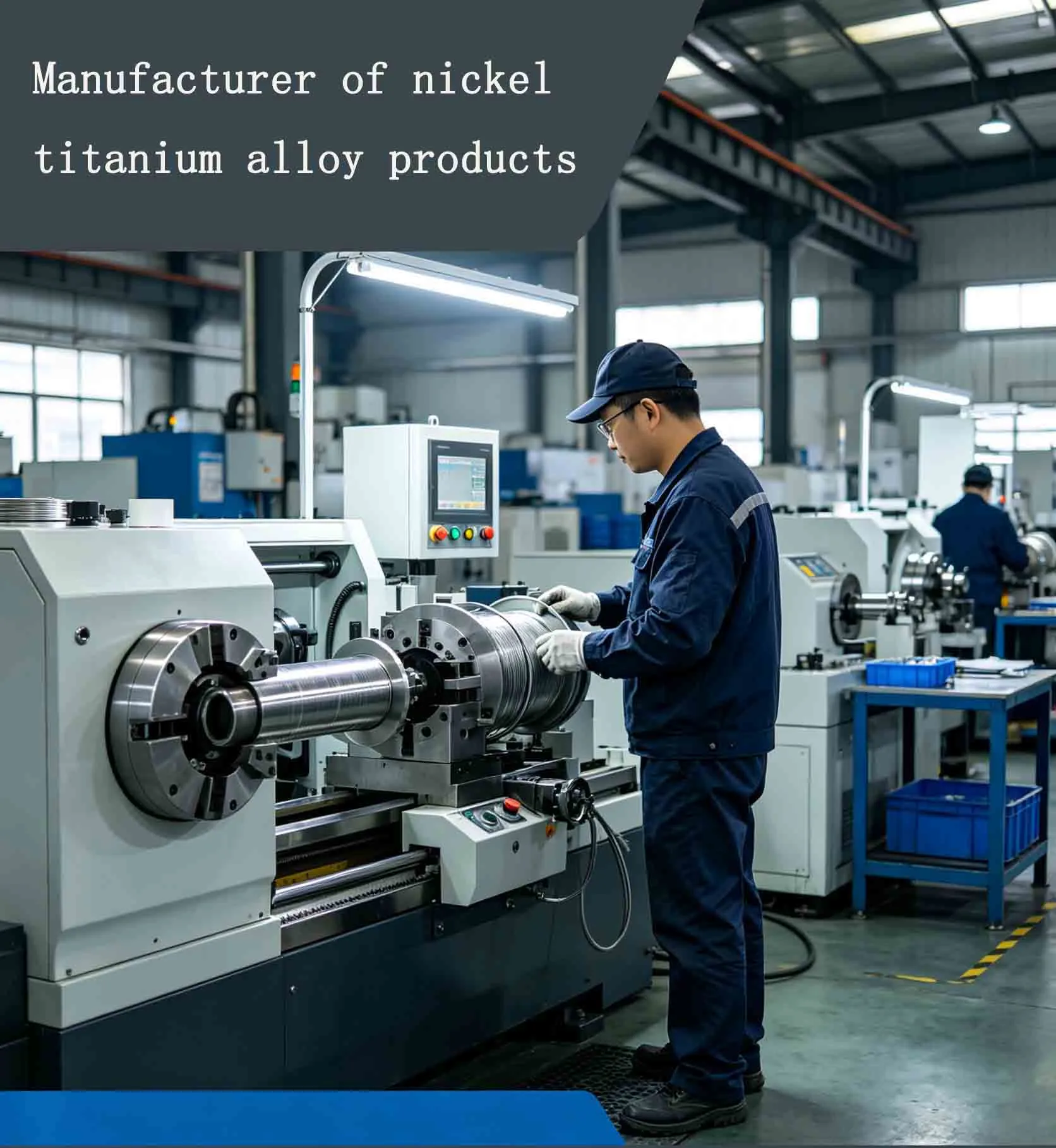
Baoji Hanz Metal Materials Co., Ltd. is a professional manufacturer and wholesaler of nickel titanium memory alloy products. Among them, the high tensile nitinol flat wire, one of the nickel-titanium categories, has a stable shape memory effect and super elasticity. Customizable size shape memory nickel-titanium alloy straps are available, suitable for medical devices, aerospace and electronic components. Factory direct sales and wholesale supply are provided.
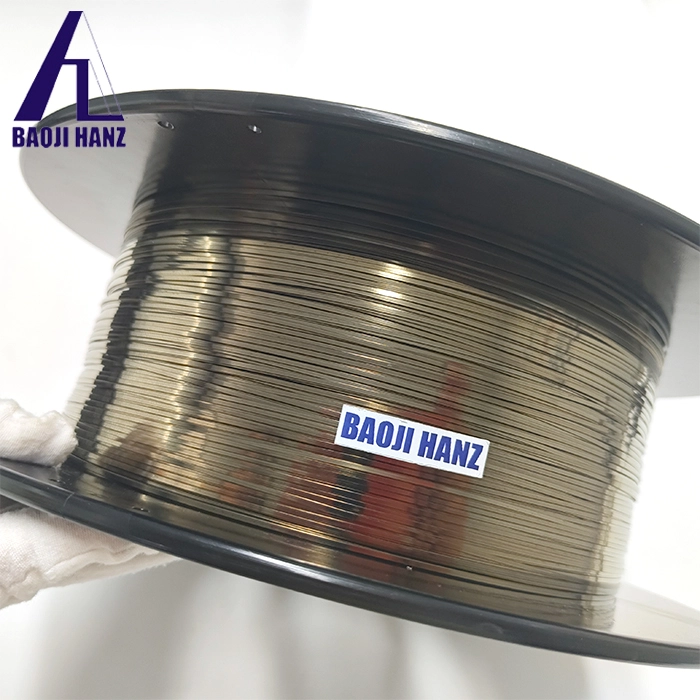
Understanding the Shape Memory Effect in Nitinol Flat Wire
The Scientific Basis of Shape Memory Transformation
Nitinol's ability to remember its shape comes from a solid-state phase change that can go back and forth between two crystal structures: austenite, which is stable at higher temperatures, and martensite, which is stable at lower temperatures. When the austenite phase is cooled below the martensite start (Ms) temperature, it changes into twinned martensite, which is easy to shape. When heated above the austenite finish (Af) temperature, the material goes back to its original austenite structure and remembers its shape very accurately. It is possible to exactly control the composition and heat treatment methods for the transformation temperatures Ms, Mf (martensite finish), As (austenite start), and Af. This lets manufacturers make high tensile nitinol flat wire with activation points that range from below zero to over one hundred degrees Celsius.
Mechanical Properties Unique to Flat Wire Geometry
The tensile strength of high tensile nitinol wire is usually between 800 and 1400 MPa, but it can be higher or lower based on how it is processed and what alloys are used. The rectangular cross-section gives the material more moment of inertia along one axis, making it stiffer in that direction while keeping its flexibility in the orthogonal plane. When bent along the minor axis (thickness), high tensile nitinol flat wire has less peak strain on the outer threads than round wire with the same cross-sectional area. This makes fatigue resistance a very important factor. This means that the service life will be longer in settings with cyclic stress. The flat shape also makes it easier to keep the width and thickness of parts within smaller tolerances, which is important for precise assembly tasks and automatic production lines.
Temperature Responsiveness and Transformation Windows
The shape memory effect only works if the change temperature ranges are carefully managed. For shape memory applications, high tensile nitinol flat ribbon usually has an Af temperature higher than the intended working setting. This temperature can be anywhere from 40°C to 90°C, based on the needs of the application. The transformation window (Af - As) affects how sharp the recovery is: smaller windows make shape repair faster and more complete, but they need more careful composition control. To make sure that each batch is the same, our production methods keep makeup accuracy within ±0.1 wt%. Differential scanning calorimetry (DSC) testing checks the transformation temperatures on every production lot. This makes sure that the performance of the material fits the specs and takes the guessing out of planning its use.
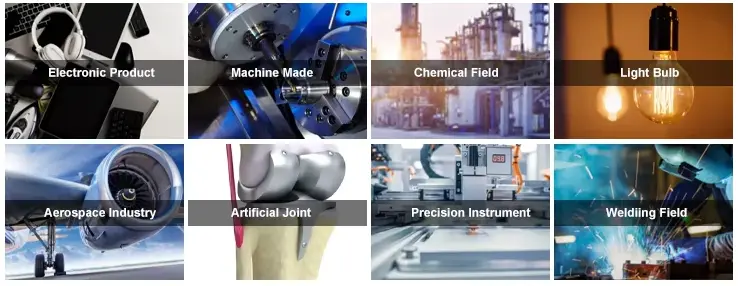
Applications of High Tensile Nitinol Flat Wire Leveraging Shape Memory Effect
Industrial Actuators and Mechanical Systems
High tensile nitinol flat wire actuators use the shape memory effect to turn electrical warmth into mechanical work in robots and automation. The flat shape makes it possible to fit the motor into small areas where other motors can't. Some of the things they are used for are gripper mechanisms, valve controllers, and release mechanisms in aircraft systems. The high tensile strength makes it strong enough to hold a lot of weight, and the flat shape lets heat escape quickly because it has more surface area than volume. When built correctly, activation cycles can go over a million repetitions, and recovery strokes can have strain levels ranging from 4% to 8%, based on how the machine is trained and how stressed it is during operation.
Thermal Management and Control Devices
The shape memory effect is used to make passive control systems like temperature-sensitive connections, thermal circuit breakers, and adapted ventilation systems. When certain temperatures are reached, high tensile nitinol flat wire components change their shape without any extra power being added. The rectangular cross-section makes the mounting surfaces stable and the contact forces predictable, which are both important for reliable switching behavior. Self-regulating thermal control systems are becoming more popular in the HVAC and automotive industries because they help save energy. Because the material is biocompatible and doesn't rust, it can be used in places where contamination is a worry, like on food processing equipment and in pharmaceutical making.
Specialty Springs and Fastening Systems
High tensile nitinol flat wire is used as the main material for springs that need to clamp or release when the temperature changes. In contrast to regular spring steel, these parts can change the preload force back and forth in reaction to temperature cycling. This property is used in the engine bay of cars to keep the binding pressure at the right level over a wide range of working temperatures. The flat shape spreads contact pressure more widely than round wire in clamp designs, which lowers stress accumulation in one area that speed up wear. Aerospace screws use the shape memory effect to make assembly easier: parts that are installed while they are still cool expand when they reach operating temperatures, making interference fits that don't need any mechanical tools.
Comparing High Tensile Nitinol Flat Wire to Alternative Materials
Mechanical Performance Advantages Over Conventional Alloys
The shape memory effect and superelastic properties of high tensile nitinol flat wire make it clearly work better than options made of stainless steel or titanium. Stainless steel high tensile nitinol flat wire has a similar range of tensile strengths, but it can't recover from strains greater than 0.5%. Nitinol, on the other hand, can frequently handle 8% strain with full recovery. Copper-beryllium metals are good at resisting fatigue, but they permanently change shape when under long-term stress, which makes them less reliable in the long run. Pure titanium high tensile nitinol flat wire is very good at resisting corrosion and being compatible with living things, but it can't match the practical strain powers of nitinol. Key success indicators are shown in the table below:
| Material | Tensile Strength (MPa) | Recoverable Strain (%) | Fatigue Cycles (at 2% strain) |
|---|---|---|---|
| high tensile nitinol flat wire | 800-1400 | 6–8 | >10^6 |
| Steel 316L stainless steel | 500 to 800 | <0.5 | 10^4 to 10^5 |
| High Grade Titanium 2 | 340–550 | 0.3 | 10^5–10^6 |
When movement, vibration damping, or elastic energy storage are needed for a system, these differences lead to big useful benefits.
Cost Considerations and Return on Investment
High tensile nitinol flat wire usually costs three to five times more to make than stainless steel versions, and the process of making it is more difficult, which adds to the cost. There are problems with processing because the work hardens during making and you need special heat treatment tools to set the shape memory. However, lifetime cost analysis often chooses nitinol for uses that need to be activated many times or have a long wear life. Less frequent upkeep, not needing external power sources for passive movement, and longer component lifespans more than make up for the initial cost. Teams in charge of buying things should look at the total cost of ownership instead of the price per unit. This is especially important in high-reliability situations where mistakes in the field can cost a lot in replacement costs and lost time.
Flat Wire Geometry Versus Round Wire Trade-Offs
Depending on the needs of the product, high tensile nitinol flat wire or round wire shapes can be used. When bending along the thin plane, high tensile nitinol flat wire has better fatigue resistance, which makes it perfect for uses where the stress will be directed in an expected way. The bigger surface area makes it easier for heat to move faster, which is good for shape memory applications that need to move quickly between actions. Round wire can be used in any direction and makes some shaping tasks easier, like making a coil. When it comes to high tensile nitinol flat wire, edge quality is very important. To keep stress concentration points that cause fatigue cracks from happening, we keep edge radius standards between 0.01 and 0.05 mm. To make sure uniform performance in uses that need to withstand a lot of wear and tear, procurement specs should clearly state edge condition requirements, such as whether the edges should be naturally rolled or machined square.
Manufacturing and Quality Assurance of High Tensile Nitinol Flat Wire
Composition Control and Production Processes
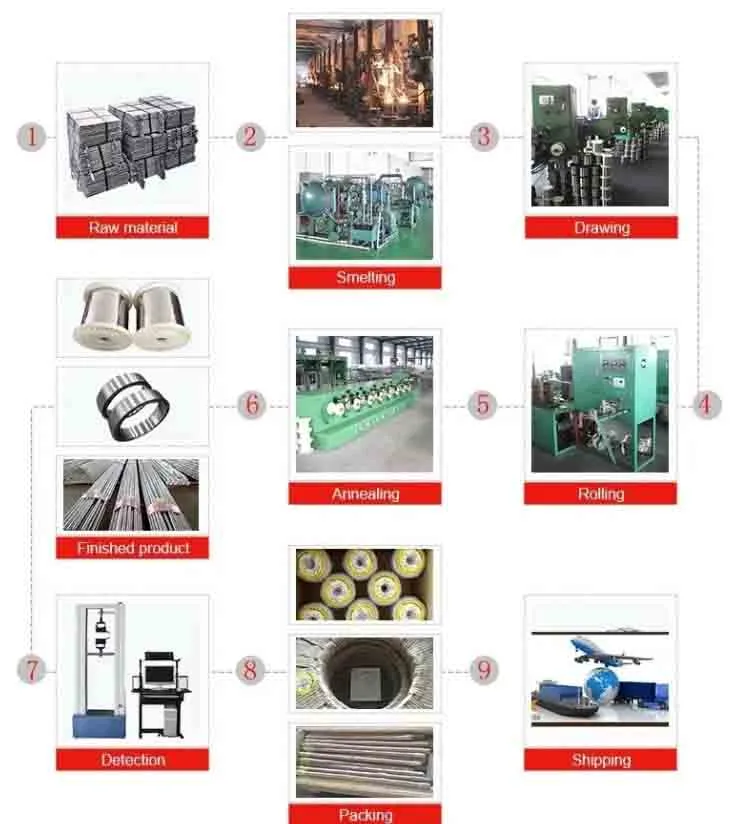
To make high tensile nitinol flat wire, vacuum induction melting is first used to get the exact nickel-titanium ratios, which are usually 55.5 to 56.5 wt% nickel and the rest titanium. Changes in makeup of 0.1 wt% or less can cause transformation temperatures to change by about 10°C, so controlling the composition is very important. At HANZ, our production line uses hot rolling from cast bars one after the other, followed by several cold rolling passes with cooling cycles in between. To keep the thickness the same across the width and get exact measurements within ±0.01 mm, the high tensile nitinol flat wire shape needs special rolling mill setups. To set the shape, you have to hold the wire in the shape you want and heat it to 450–550°C for 5–30 minutes in a neutral atmosphere. This sets the shape memory setup in stone.
Heat Treatment Protocols and Property Optimization
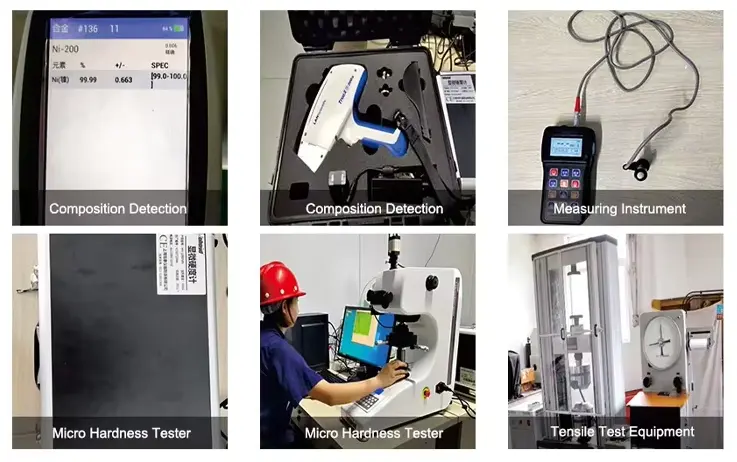
The final mechanical qualities and transformation features are set by the heat process that happens after rolling. Solution annealing at 800-900°C followed by a quick cool makes a fully austenitic structure that can be used to set the shape later. Between 300°C and 500°C aging methods smooth out the structures of precipitates, which change the amounts of plateau stress and the width of the hysteresis. We write down the details of the heat treatment for each batch of output and keep these records for at least five years so that they can be tracked. Before the material is released, differential scanning calorimetry (DSC) and mechanical tests are used to confirm the change temperatures and stress-strain behavior. This strict quality control makes sure that the material that comes to your plant does exactly what it's supposed to do. This gets rid of the need to test materials by trial and error while devices are being made.
Certifications and Compliance Standards
When buying high tensile nitinol flat wire around the world, you have to follow a lot of different rules. We keep our ISO 9001:2015 certification for quality management systems up to date, which makes sure that our manufacturing methods and paperwork are always the same. Material meant to be used in medical devices fits the chemical composition standards of ASTM F2063 and comes with a certificate of analysis (CoA) for each lot. Our testing lab is certified by ISO/IEC 17025, which means that the measures of transformation temperatures, tensile tests, and physical checks are accurate. For markets in Europe, we offer important statements that show we follow REACH and RoHS rules. These approvals lower the risk of buying things and make it easier to send finished goods to regulators, which speeds up the time it takes for new devices to reach the market.
Customization Capabilities and Order Flexibility
We know that off-the-shelf sizes don't always meet the exact needs of engineers. We can make unique high tensile nitinol flat wires with thicknesses from 0.10 mm to 3.00 mm and widths from 0.50 mm to 20.00 mm. The length can be provided in coils or cut into pieces according to the customer's needs. Transformation temperature customization goes from -20°C to +110°C Af, so you can make materials that work in the conditions you need them to. The smallest amount you can order is 5 kg for normal compositions. For research projects, you can order prototype numbers. You can choose a black oxide, pickled, or electropolished surface finish to meet your needs for friction, biocompatibility, or looks. Lead times for custom specifications are usually between 4 and 8 weeks, but can be longer based on how complicated the order is. During this time, there is clear contact and expert help.
How to Select the Right High Tensile Nitinol Flat Wire for Your Needs?
Defining Critical Performance Parameters
Before choosing a material, you need to know what its main functions are that your program needs. For shape memory actuation uses, the Af temperature needs to be exactly 5 to 10°C above the highest operating temperature to make sure the full transformation. Figure out how much healing strain you need. For most uses, this is between 4 and 6 percent, but training can raise this to 8 percent. During both the martensitic and austenitic stages, the load-bearing needs affect the tensile strength. Expectations for fatigue life should take into account the range of temperatures and the amount of pressure. We suggest that you give our expert team detailed information about the loads, the environment, and the size limits so that they can come up with the best material standard that meets both performance needs and manufacturing needs.
Aligning Specifications with Industry Standards
Referencing set standards for high tensile nitinol flat wire makes conversation easier and makes sure that the level of work stays the same. ASTM F2063 is the standard for medical-grade nickel-titanium alloys. It says what the alloy is made of, how many inclusions it has, and how good its surface is. ASTM F2516 talks about tensile testing methods that are unique to superelastic materials. It does this by recording the unique stress-strain behavior that isn't covered by regular metal standards. AMS 2631 meets the needs for aerospace materials in industry settings. When you send out buy orders, you should include both the standard that applies and any changes or extra requirements that your application needs. This method sets clear goals for performance and gives objective standards for inspecting new materials, which cuts down on disagreements and speeds up the approval process.
Budgeting and Bulk Purchasing Strategies
The price of high tensile nitinol flat wire depends on the cost of the raw materials, how hard the process is, and how many orders are placed. Depending on the complexity of the specifications, the amount ordered, and the shipping plan, the price on the market right now runs from $150 to $400 per kilogram. Unit costs go down when you commit to buying more. For example, orders over 50 kg usually get 10-15% price cuts compared to orders for smaller amounts. Long-term supply deals keep prices stable and give production priority when there aren't enough resources. We suggest setting up blanket buy orders with planned releases for ongoing production needs, making sure that the costs of keeping inventory and the best prices for materials are balanced. Getting technical help during the planning phase can help find ways to save money, like reducing the size of parts or loosening tolerances on less important parts, without affecting how well they work.
Supplier Evaluation and Partnership Criteria
It's not enough to just compare prices when choosing a high tensile nitinol flat wire provider. You also need to look at their technical know-how, quality systems, and long-term dependability. Check your production capacity to make sure it can grow as the number of products you sell does. Check for quality standards and ask for examples of COA paperwork to make sure that testing is done correctly and that the process is traceable. Check the expert support: providers with a lot of experience can help with design, material choice, and failure analysis when problems happen. Ask about where to get raw materials, how to keep extra goods on hand, and how to plan for what could go wrong in the supply chain. HANZ has seven years of specialized experience making nitinol alloys and is vertically integrated, which means that we make everything from raw materials to finished wire. This gives us the security and skill that long-term relationships need.
Conclusion
High tensile nitinol flat wire changes from an inactive structure material to an active, thermally responsive part that can do work and adapt to its surroundings because of the shape memory effect. Engineers can use this special trait for things like industrial automation, thermal management, and precise control by understanding how composition, heat treatment, and transformation temperatures work together. When compared to regular materials and round wire shapes, high tensile nitinol flat wire has measured benefits in terms of wear resistance, recoverable strain, and functional integration. For execution to go well, the materials must be precisely specified, quality must be strictly controlled, and suppliers must be able to work with you and provide both technical knowledge and excellent manufacturing. High tensile nitinol flat wire is becoming a more popular choice for innovative materials in challenging applications as long-term dependability and lifecycle value become more important in purchasing decisions.
FAQ
What factors determine the transformation temperature range for shape memory activation?
The nickel-to-titanium atomic ratio is the main factor that determines transformation temps. Adding 0.1 wt% more nickel drops Af by about 10°C. Some other factors are the amount of cold work (work hardening raises transformation temperatures), the parameters of the aging heat treatment, and the addition of ternary alloys like copper or chromium, which can change temps by 20 to 50°C. During production, we keep the makeup within ±0.05 wt% nickel and follow well-known heat treatment methods to make sure that the material has transformation temperatures that are within ±5°C of what was planned.
Can flat wire be mechanically processed without compromising shape memory properties?
Some mechanical processing is possible, but activities that add more than 5% cold work may change the transformation temperatures and need to be heated again afterward. When qualities are bent below 2% strain, they usually stay the same. Welding is very hard. For example, laser welding can be done in a neutral atmosphere, but it makes heat-affected zones that change how the metal changes shape. To reduce the amount of work that needs to be done after delivery, we suggest joining using mechanical methods like pinching or designing parts. To get the best and most consistent shape memory performance, the shape should be set during production under controlled conditions.
How does fatigue resistance extend product lifespan in demanding applications?
The better wear resistance of high tensile nitinol flat wire comes from having less surface strain when bent along the thin axis and no flaws that raise stress when edge quality is controlled. When tested at 2% strain amplitude, the wear life is more than 10^6 cycles, which is longer than the 10^4–10^5 cycles for similar stainless steel parts. In cyclic uses, this means that service gaps will be 10–100 times longer. Because it has shape memory, the material can rebound from accidental overloads that would permanently deform other spring materials. This makes it even more reliable in settings where things can change quickly.
Partner with Baoji hanz for Superior High Tensile Nitinol Flat Wire Supply
With high tensile nitinol flat wire made to strict standards, Baoji Hanz Metal Material Co., Ltd. is prepared to assist you with your buying needs. Because we've been working hard on nickel-titanium shape memory alloys for seven years, we can guarantee consistent materials, accurate scientific information, and a reliable supply. We can fully customize the sizes, temperatures of change, and finishes on the surface to meet your exact needs, from small prototypes to large production runs. Direct supply from the maker gets rid of markups by middlemen, saving you money and making your project more profitable. Our production center is ISO 9001-certified and keeps full records of all tests that are done to support regulatory submissions for medical devices and aerospace uses.
You form a professional relationship with Baoji hanz when you hire them to make your high tensile nitinol flat wire, rather than just a supplier of materials. Before a sale, our engineering team can help you choose the right material, find the best change temperature, and make processing suggestions. During production, we keep clear lines of contact open, and records of order tracking and production monitoring are kept for five years. After delivery, our expert support continues with help with fixing problems with the program and making it run faster. We have a large collection of standard sizes that can be delivered quickly, cutting down on lead times for urgent needs. Our OEM services can also help with special needs by creating custom solutions.
To talk your high tensile nitinol flat wire needs, please contact our team at baojihanz-niti@hanztech.cn. We would love the chance to show you how our production skills, technical knowledge, and customer-focused service model can help you make better decisions about what to buy and how to grow it.
References
Duerig, T., Pelton, A., & Stöckel, D. (1999). An Overview of Nitinol Medical Applications. Materials Science and Engineering: A, 273-275, 149-160.
Otsuka, K., & Ren, X. (2005). Physical Metallurgy of Ti-Ni-Based Shape Memory Alloys. Progress in Materials Science, 50(5), 511-678.
Elahinia, M. H., Hashemi, M., Tabesh, M., & Bhaduri, S. B. (2012). Manufacturing and Processing of NiTi Implants: A Review. Progress in Materials Science, 57(5), 911-946.
Saburi, T. (1998). Ti-Ni Shape Memory Alloys. In Shape Memory Materials (pp. 49-96). Cambridge University Press.
Miyazaki, S., Fu, Y. Q., & Huang, W. M. (2009). Thin Film Shape Memory Alloys: Fundamentals and Device Applications. Cambridge University Press.
Morgan, N. B. (2004). Medical Shape Memory Alloy Applications—The Market and its Products. Materials Science and Engineering: A, 378(1-2), 16-23.