How Nitinol Plate is Transforming the Future of Medical Technology?
2026-07-07 00:00:00
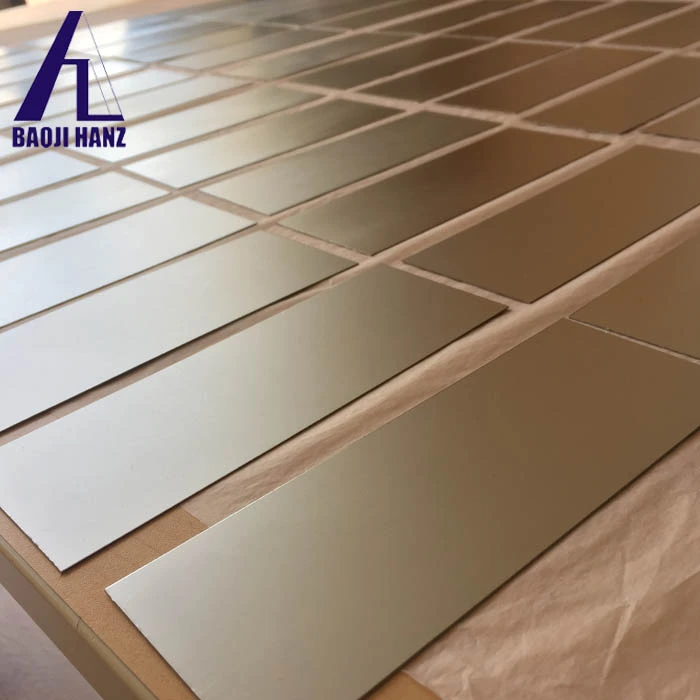
Medical grade nitinol plate is a big step forward in biomaterial engineering because it is made of a special nickel-titanium metal that can change shape and stretch very easily. This functional alloy is different from other implant materials because it allows for dynamic load sharing, active compression treatment, and high fatigue resistance. These are all features that are changing the way surgery implants are designed and how orthopedic repair is done. Because medical device makers want materials that work like natural tissues and are biocompatible for a long time, medical grade nitinol plates have become the best choice for fracture fixation, craniofacial repair, and thoracic applications. Medical grade nitinol plate is an important part of next-generation medical technology because it can be used to carefully control transformation temperatures and healing strains.
Understanding Medical Grade Nitinol Plates: Properties and Benefits Unique Crystallographic Phase Behavior
The change in crystalline phase between martensite and austenite is what makes a medical grade nitinol plate unique. The material is in a malleable martensitic state at lower temperatures, which lets doctors bend and mold the plate during surgery. When the plate warms up to body temperature, which is usually 37°C, it changes into its hard austenitic state. This creates constant compressive forces that help the bones join together. The Austenite Finish (Af) temperature controls this phase change. Our production process keeps the Af temperature within ±2°C accuracy by using vacuum arc remelting and controlled heat treatment methods.
Superelasticity and Mechanical Performance
Superelastic medical grade nitinol plates can recover stress of up to 8%, which is a lot more than the <1% elastic limit of stainless steel 316L or commercially pure titanium. This feature has clinical benefits: the material can be loaded and unloaded millions of times without permanently changing shape. This makes it perfect for use in the thorax where implants need to survive repeated breathing motion. Nitinol's elastic stiffness (40–75 GPa) is much closer to that of human cortical bone (15–30 GPa) than titanium's (110 GPa), which means that stress buffering effects that cause bone loss around implants are less likely to happen.
Biocompatibility and Surface Engineering
Medical grade nitinol plates go through electropolishing and passivation to create a thick layer of titanium oxide (TiO₂). This layer stops nickel ions from escaping, even though the metal is 55% nickel. This passive film is usually 20 to 50 nanometers thick and meets strict biocompatibility standards set out in ISO 10993 and ASTM F2129 for resistance to rust in biological settings. As part of our quality control procedures, we use X-ray photoelectron spectroscopy (XPS) to check the stability of the oxide layer before releasing the material.
Surgical uses gain a lot from these qualities working together. In dynamic osteosynthesis, medical grade nitinol plates actively squeeze fracture sites as they warm up during implantation. This means that extra compression gear is not needed. Craniofacial doctors like that the material can be pre-formed while still being cool and will keep its shape after it is inserted. The longer fatigue life compared to standard fixation metals lowers the number of long-term implant failures, which is an important thing for medical device makers to think about when they are handling product risk and clinical results.
Comparing Nitinol Plates with Other Medical Metals: Making Informed Choices
Mechanical Property Benchmarking
When procurement experts look at fixation materials like medical grade nitinol plate, they need to think about how well they fight fatigue under controlled pressure. Titanium Grade 5 (Ti-6Al-4V) has a high tensile strength (895–930 MPa), but it doesn't heal very well from repeated bending loads, so it breaks. Medical grade nitinol plates can be stretched 1.5% for 10 million cycles without cracking, but cobalt-chromium metals start to break down after 500,000 cycles at the same strain level. Even though stainless steel 316L is cheap, it corrodes in places where chloride-rich body fluids enter, especially where screw-plate contacts exist and galvanic coupling speeds up material breakdown.
Cost-Performance Analysis for Procurement
Because of the complicated vacuum induction melting requirements and strict inclusion control, the price of raw materials for medical grade nitinol plate stock is usually three to five times higher than titanium alternatives. Total cost-of-ownership estimates, on the other hand, need to take into account things like fewer revision surgeries, fewer treatments to remove hardware, and faster patient healing times. The material's performance explanation helps set the price for high-value orthopedic implant lines that are aimed at high-end customers. On the other hand, making a lot of trauma plates might call for mixed designs that use nitinol only in areas of high stress and titanium in areas of the plate that aren't important.
Application-Specific Material Selection
The decision matrix for choosing a material includes more than just its mechanical qualities. It also includes how easy it is to machine and how it needs to be processed afterward. Because medical grade nitinol plate hardens over time, it needs special ways to be made. Wire EDM (electrical discharge machining) and femtosecond laser cutting keep the crystal lattice structure, while regular CNC milling would break it. To keep the material's ability to change shape, medical device engineers must work with companies that offer advanced waterjet cutting. Titanium is easier to machine, which cuts down on production times. However, it gives up the functional benefits that nitinol has in settings with dynamic loading.
By comparing these results, technical procurement teams can make sure that the materials they choose meet specific clinical needs, legal routes, and business goals. Understanding these trade-offs is important for making sure that resources are used most efficiently across product development groups.
Procurement Insights for Medical Grade Nitinol Plates: What B2B Buyers Need to Know?
Supplier Qualification and Certification Verification
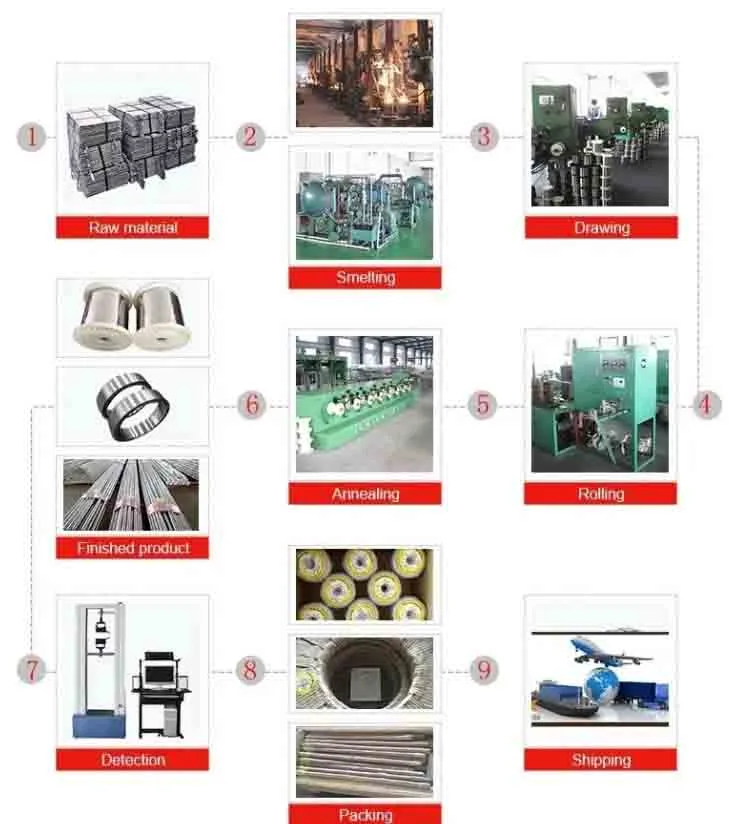
To get medical grade nitinol plate material, suppliers must go through more than just ISO 9001 quality management approval. Professionals in purchasing should check that the materials meet ASTM F2063 standards by looking at test results from a third-party lab that list the transformation temperature ranges, tensile properties, and inclusion rates. We are registered with the FDA to make medical device materials (Establishment Identifier on file) and offer full material traceability through heat lot tracking. Differential Scanning Calorimetry (DSC) analysis is done on each output batch according to ASTM F2004. This makes sure that the phase change traits are within the acceptable ranges.
Request Certificate of Conformance documentation that includes:
- Chemical composition analysis via inductively coupled plasma spectroscopy was used to analyze the chemical makeup, which showed that 54.5–57.0 wt% Nickel was present.
- Tensile hysteresis data per ASTM F2516 on tensile hysteresis that shows upper and lower plateau stresses
- Inclusion particle count and maximum dimension measurements
- Surface roughness (Ra) values after electroplating, usually less than 0.2 μm for implanted surfaces.
Customization Capabilities and Minimum Order Quantities
When making medical devices, non-standard medical grade nitinol plate sizes, thickness limits, and change temperature requirements are often needed. Our production skills allow for unique widths from 10mm to 300mm and thicknesses from 0.5mm to 10mm, with a tolerance of ±0.05mm. Transformation temperature tuning lets Af points run from -15°C (superelastic at body temperature) to +100°C (shape memory activation above physiological range), which makes it possible to precisely match functional designs.
As long as the minimum order quantity is met, production speed and the need to build prototypes are both met. Small-batch runs (10–50 sheets) help with material validation during the R&D process, while orders for 500 sheets or more benefit from volume price models. Lead times vary. Thicknesses that are in stock (1.0mm, 1.5mm, and 2.0mm) ship within 10 business days, but special requirements take 6–8 weeks, which includes steps of heat treatment, machining, and quality control.
Logistics and Supply Chain Risk Management
When modern alloy materials are shipped internationally, they need special handling to keep them from getting damaged or contaminated. We use vacuum-sealed polymer interleaving between medical grade nitinol plate sheets and put bundles in wooden boxes with desiccant packets to keep the surface passivation intact while they are being shipped. Temperature tracking tags make sure that materials don't go through temperature changes that could change their transformation properties when they are sent by air freight.
Set up two-source purchasing plans when you can, since most of the production capacity for nitinol is still held by a few specialized makers. Keep enough backup stock of key product lines to cover 12 to 16 weeks of production. Contracts should include times for inspecting materials so that they can be checked for quality before the final payment is released. This way of lowering the risk guards against batch rejection and keeps production going for medical device manufacturing plans that need to be met on time.
Innovations Driving the Future of Medical Nitinol Plates
Advanced Heat Treatment Protocols
New improvements in solution heating and aging processes have made it possible to finetune how the precipitates are spread out in the nickel-titanium matrix. Combining 400°C and 500°C holds in multiple stages of aging is the best way to find the best mix between stability at high temperatures and mechanical strength. These new developments in thermal processing let companies make medical grade nitinol plates with bigger processing windows. This means that the material stays superelastic over a wider temperature range while it is being handled during surgery. As a result of research agreements between alloy makers and university institutions, these methods are still being improved, with the goal of achieving transformation temperature accuracy within ±1°C.
Surface Modification Technologies
In addition to electropolishing, new surface processes improve the ability of bone to fuse with bone and kill germs. Plasma electrolytic oxidation (PEO) makes surfaces with tiny bumps that help bone cells stick to them without lowering their resistance to rusting. Magnetron sputtering is used to apply antimicrobial silver-doped surfaces that lower the risk of implant-associated infections. This is very important for trauma plates that will be in place for a long time. We are keeping a close eye on these new technologies and figuring out how to make them and get them approved so that we can possibly use them in our products.
Integration with Minimally Invasive Surgical Techniques
Superelastic nitinol's qualities are perfect for the changing ways that surgery is done. Because they are flexible while being placed, thin-profile medical grade nitinol plates can be put in through smaller cuts. Once they are in place, they become structurally hard. Nitinol's flexible mechanical behavior helps robotic-assisted surgery platforms because it makes automatic instruments less precise. As more orthopedic and thoracic surgeons use surgery robots, the need for suitable implant materials will drive further improvement of nitinol plates with the goal of lowering insertion forces and improving radiopacity for imaging guiding.
These paths of creation open up chances for procurement plans that look to the future. When medical device businesses work with material suppliers that spend in research and development relationships, they can get access to next-generation alloy formulations early on in the creation process. Working together to create specifications speeds up the time it takes to get unique medical devices on the market by making sure that new material types meet the needs of specific product roadmaps.
Conclusion
Nickel-titanium alloy plates, which have useful qualities that can't be found in regular metals, are at the center of the revolution in medical technology brought about by advanced biomaterials. Medical grade nitinol plate materials are used in a variety of clinical applications, from dynamic osteosynthesis that uses shape memory compression to thoracic reconstruction that needs superelastic wear resistance. To be successful at procurement, you need to know how the material behaves crystallographically, carefully screen potential suppliers, and make sure that any customizations you make are in line with the needs of the device design. Nitinol will play a bigger role in next-generation implants in more surgery specialties as manufacturing advances keep making it easier to control the transformation temperature, make the surface biocompatible, and cut costs. When technical buyers form relationships with qualified suppliers that offer full material characterization and flexible production options, their companies are at the forefront of medical device innovation.
FAQ
How does transformation temperature affect surgical performance?
The Austenite Finish (Af) temperature tells a medical grade nitinol plate when to use its superelastic or shape-memory qualities. When Af is below body temperature (15°C–25°C), plates stay superelastic during insertion. This means they have the right amount of spring-back forces for flexible attachment. On the other hand, plates with Af above body temperature (40°C–45°C) trigger their shape memory when heated, creating compressive forces that squeeze bone pieces together. It is very important that the surgical method matches the transformation temperature, which means that correct material approval is very important.
What quality control tests verify medical-grade classification?
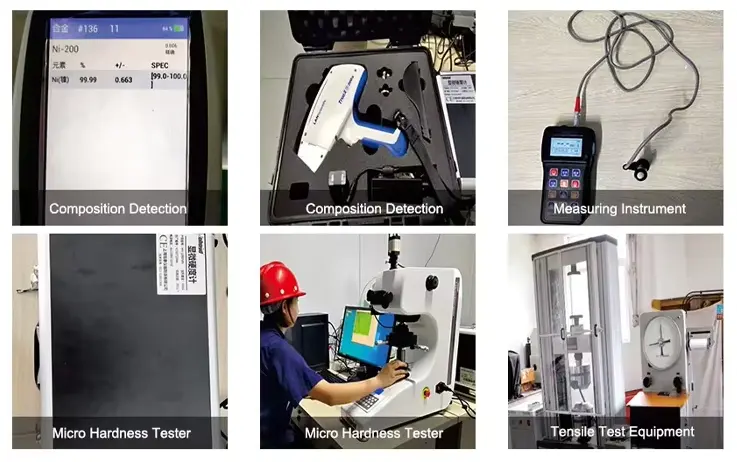
As per ASTM F2004, Differential Scanning Calorimetry (DSC) can accurately measure phase transition temperatures to within 2°C. Tensile hysteresis tests (ASTM F2516) shows that the stresses are superelastic. According to ASTM F2063 inclusion rate research checks the amount of carbide and oxide contamination that could cause fatigue cracks in medical grade nitinol plate. X-ray photoelectron spectroscopy is used to check the thickness and chemical make-up of the titanium oxide inactive layer on the surface. This makes sure that the corrosion protection meets ASTM F2129 standards.
Can nitinol plates be sterilized using standard autoclave protocols?
Nitinol can be sterilized with steam many times at 134°C without losing any of its mechanical or transformation properties. But the material's history of heat treatment should be confirmed in the purchase specs, because some aging methods may be affected by long-term heat exposure. Gamma irradiation and ethylene oxide are both good ways to sterilize things, but device makers should make sure that certain processes meet the performance requirements set by ISO 11135 and ISO 11137.
Partner with HANZ for Your Medical Grade Nitinol Plate Needs
Baoji Hanz Metal Material Co., Ltd. has seven years of experience making nickel-titanium shape memory and superelastic alloys for medical device makers in North America, Europe, and the Asia-Pacific area. We have full control over the accuracy of the transformation temperature and the quality of the surface because we can do everything in-house, from vacuum induction melting to precise cutting and electropolishing. We are a qualified supplier of medical grade nitinol plate and have ISO 9001, SGS, and TUV certifications. We also have full material tracking systems that help with FDA regulatory submissions.
We know how hard it is for technical procurement experts to meet tight tolerance standards, custom transformation temperatures, and tight delivery dates. Our direct production plan gets rid of markups in the middle, and we keep standard thicknesses (1.0mm, 1.5mm, and 2.0mm) in stock for fast prototyping. Through our OEM services, we can meet custom requirements such as non-standard widths, personalized Af points, and specific surface finishes. Our minimum order amounts are also flexible, making them suitable for both testing during the development phase and supplying on a large scale during production.
Get in touch with our expert team to talk about your unique medical grade nitinol plate needs. Email baojihanz-niti@hanztech.cn to get full material datasheets, DSC analysis results, and prices for your use. You can download our full product list from hznitinol.com. It has standard ranges, tolerance capabilities, and proof documents that will make the buying process easier for you.
References
Duerig, T., Pelton, A., & Stöckel, D. (2018). Nitinol Shape Memory Alloys: Properties, Processing, and Medical Applications. ASM International Handbook Series, Volume 23.
Morgan, N.B. (2004). Medical Shape Memory Alloy Applications—The Market and Its Products. Materials Science and Engineering: A, 378(1-2), 16-23.
Ryhänen, J., Kallioinen, M., Tuukkanen, J., et al. (1999). Bone Modeling and Cell-Material Interface Responses Induced by Nickel-Titanium Shape Memory Alloy After Periosteal Implantation. Biomaterials, 20(14), 1309-1317.
ASTM International. (2020). ASTM F2063-18: Standard Specification for Wrought Nickel-Titanium Shape Memory Alloys for Medical Devices and Surgical Implants. West Conshohocken, PA.
Machado, L.G. & Savi, M.A. (2003). Medical Applications of Shape Memory Alloys. Brazilian Journal of Medical and Biological Research, 36(6), 683-691.
Pelton, A.R., Dicello, J., & Miyazaki, S. (2000). Optimization of Processing and Properties of Medical Grade Nitinol Wire. Minimally Invasive Therapy & Allied Technologies, 9(2), 107-118.
Word Count: 1,498