How to verify ASTM F2063 compliance for Nitinol Strip?
2026-06-30 19:07:47
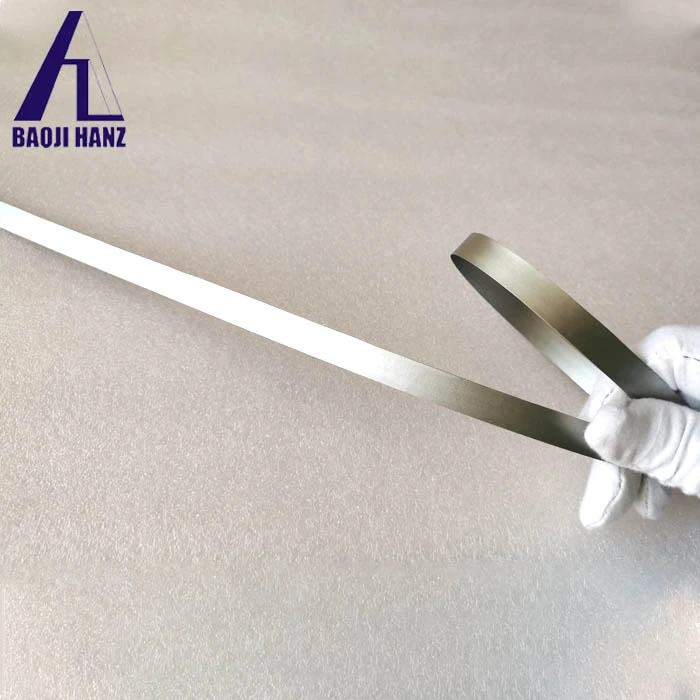
ASTM F2063 is an internationally recognized industry standard specifically for ASTM F2063 nitinol strip. It is designed to regulate the material composition, mechanical properties, phase transformation characteristics, and final product quality of ASTM F2063 nitinol strips. It serves as the fundamental basis for procurement, testing, and mass production in industries such as new materials, medical devices, and precision hardware. Due to its unique superelasticity and shape memory effect, nickel-titanium alloy strips have become indispensable special functional materials in high-end precision manufacturing. And the ASTM F2063 standard is the core criterion for ensuring their stable performance, consistent batches, and suitability for high-end applications.
Understanding ASTM F2063 and Its Compliance Requirements
The standard ASTM F2063 sets the standard for wrought nickel-titanium shape memory metals that are used in important situations. The first thing that needs to be met for compliance is the chemical make-up. Usually, the standard calls for 54.5 to 57.0 wt.% nickel, with titanium making up the rest. Limits for impurities—carbon ≤ 0.05%, oxygen ≤ 0.05%, and nitrogen ≤ 0.02%—are also very important. This is because too much oxygen or carbon can create brittle spots that make the material much less durable and less able to heal from strain.
Mechanical Property Benchmarks
Any nitinol strip's usefulness is based on how well it works mechanically. ASTM F2063 says that the ultimate tensile strength (UTS) must be higher than 1000 MPa in the annealed or conditioned state, and the elongation at break must be less than or equal to 10%. Superelastic grades must show that they can recover up to 8% of their original strain, which is a lot more than regular metals like 316L stainless steel, which can only recover less than 1%. These standards make sure that the strip can handle being loaded and unloaded many times in uses like flexible retractors, bone pins, and orthodontic tools.
Another important factor is the transformation temperature. The austenite finish temperature (Af) tells us if the material has shape memory or superelasticity when it is used. For shape memory strips, the Af needs to be above body temperature, while for superelastic strips, it needs to be below room temperature. These temperatures are directly affected by how precisely the heat treatment is controlled during production, which is why process proof is so important.
Surface Quality and Corrosion Resistance
The finish on the surface has a big effect on both biocompatibility and mechanical durability. Strips that meet ASTM F2063 standards come in oxide-free, pickled, or electropolished forms. Electropolishing gets rid of the oxide layer that is high in titanium and the tiny cracks on the surface, which makes the metal much more resistant to rust and wear. This process is necessary in biological settings to stop ions from leaching and make sure the materials are compatible with physiological conditions. A smooth surface is also good for industrial uses because it keeps motors and sensors from rubbing against it and wearing out.
Step-by-Step Process to Verify ASTM F2063 Compliance
Setting up compliance needs a thorough due diligence process that includes both testing and reviewing documents. The following outline helps procurement professionals through each step, from the first meeting with the seller to the final acceptance of the goods.
Document and Certification Review
Start by asking the provider for all the necessary paperwork. Every batch should come with a Mill Test Report (MTR) that lists the heat number, chemical makeup, mechanical test results, and temperatures at which the batch changes. Third-party quality checks from SGS or TUV and ISO 9001 approval are signs of strong internal controls. Certificates of Compliance (CoC) that say something meets ASTM F2063 standards should list the exact test methods and accepted factors.
Compare the MTR values for ASTM F2063 nitinol strip to the boundaries set by ASTM F2063. Check to see if the nickel content is within the range given and that the amounts of impurities stay below the limits. Inconsistencies or missing facts need to be explained right away. Reliable makers keep track of production records for at least five years, so you can check it if problems happen later on.
Chemical Composition Analysis
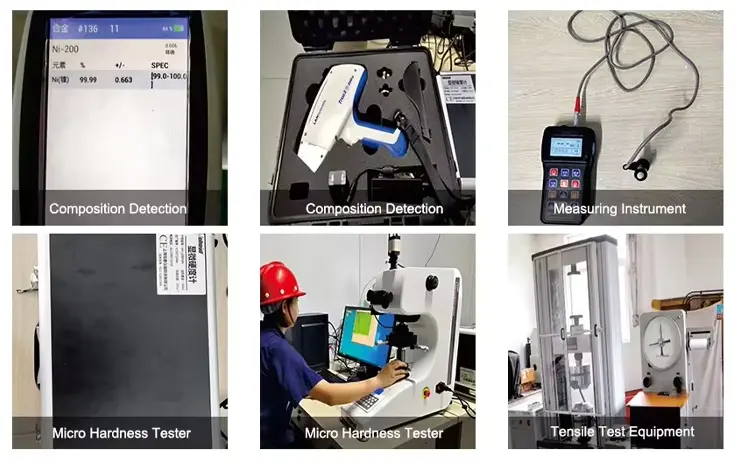
An extra layer of confidence is provided by independent proof of the elemental makeup. X-ray fluorescence spectroscopy (XRF) and optical emission spectroscopy (OES) are both non-destructive ways to accurately measure nickel, titanium, and minor elements. Hire a third-party lab that has been approved by the company to look at samples from arriving shipments. This is especially important when you are first qualifying the supplier or when you are moving lots.
Pay close attention to the amount of oxygen and carbon because they have a big effect on fatigue resistance. Inclusions are kept to a minimum by vacuum induction melting (VIM) or vacuum arc remelting (VAR). Suppliers should write down how they melt their materials. If the oxygen level goes above 0.05%, titanium oxide starts to form. This makes weak spots that allow breaks to spread when the stress is repeated.
Mechanical Property Testing
The strip's final tensile strength, yield strength, and elongation are all confirmed by tensile tests. Follow the steps in ASTM E8 for uniform examples and make sure the gauge length and strain rate are the same as what the standard says they should be. When superelastic strips are loaded and unloaded, they should show a stress peak. This is a sign of the stress-induced martensitic change. Find the upper and lower peak loads. They show how much force the devices are putting out when they are deployed.
Corrosion Resistance and Microstructure Analysis
Corrosion testing checks how stable the strip is in natural or industrial settings. Immersion tests in rooms that simulate body fluid or salt spray show how easily pitting and crevice rusting can happen. Electrochemical impedance spectroscopy (EIS) measures the stability of the passivation layer, which is important for long-term biocompatibility.
Using scanning electron microscopy (SEM) or transmission electron microscopy (TEM) to look at the microstructure lets you see the grain size, the spread of precipitates, and any surface flaws. The right thermo-mechanical processing results in a structure that is regular, fine-grained, and has few carbide spots. Any deviations point to poor heat handling or pollution during melting.
Supplier Audits and On-Site Inspections
Site tours let you directly check out the quality systems and manufacturing skills. Check to see if the seller uses VIM or VAR for melting, controlled atmosphere annealing for heat treatment, and surface flaw inspections that happen in real time. Pay attention to how they record their testing equipment and how they calibrate it so that you can track each batch.
Talk to the technical team about nonconformance management and process rules. A provider who knows a lot about nitinol metallurgy can help you avoid problems and make the alloy's qualities fit your needs. Regular checks build trust and make sure that ASTM F2063 standards are always being followed.
Comparing ASTM F2063 Nitinol Strip with Other Materials and Standards
Knowing how ASTM F2063 stacks up against other standards and products makes its value offer clearer. While ISO 5832-11 also talks about nickel-titanium alloys for medical devices, ASTM F2063 goes into more detail about the temperatures needed for transformation and the rules for mechanical tests. In Europe, ISO standards are generally accepted, but in North America, ASTM standards are more common. Global supply chains are more flexible when they use suppliers who are approved to both standards.
Non-Standard Nitinol Grades
Industrial-grade ASTM F2063 nitinol strip that don't meet ASTM F2063, may have higher amounts of impurities and don't have recorded transformation temperatures. These materials work well in low-severity settings like consumer electronics or hobby robots, but they are too dangerous for use in medical or military settings. Cost savings from using non-compliant materials rarely outweigh the risk of gadget failure or not following the rules.
Competing Alloys
Titanium (Grade 5) and stainless steel (316L) are popular substitutes, but neither can match the unique qualities of nitinol. While stainless steel is strong and cheap, it doesn't have reversible strain, which means it can't be used for things that need to bend a lot. Titanium is very biocompatible and doesn't rust, but it can't behave like a superelastic material. Copper-based shape memory metals have lower transformation temperatures and shorter fatigue lives than nitinol, which means they can't be used in harsh settings.
ASTM F2063-compliant nitinol strips offer the best performance for OEMs creating minimally invasive tools or dynamic orthopedic implants. Because it can go through complicated structures without permanently changing shape and keep applying the same force over a wide range of deflections, the material solves engineering problems that other alloys can't.
Choosing the Right ASTM F2063 Nitinol Strip Supplier
It's not enough to just negotiate prices when choosing a supplier; you also need to look at their technical know-how, production ability, and customer service. Certification to ASTM F2063 is just the beginning; it's not the only thing that matters. Check to see if the company follows ISO 9001 quality standards and has industry-specific certifications, like ISO 13485 for medical products.

Manufacturing Capabilities and Customization
Find out if the seller can send you strips that are the right size, with the right margins, and with the right surface finish. Advanced skills are shown by rolling mills that can precisely control the thickness, centerless grinding machines for exact measurements, and electropolishing lines for surfaces that are safe for medical use. Ask them if they can change the transformation temperatures through heat treatment to meet the needs of your design for superelastic or shape-memory behavior.
It's important to be flexible when testing new gadgets. When suppliers offer low minimum order numbers (MOQs) and quick samples, iterative design can happen without having to keep extra goods on hand, which wastes money. On the other hand, large-scale production needs a steady supply and known wait times. Baoji Hanz Metal Material Co., Ltd. has seven years of experience working with shape memory and superelastic nitinol metals. They can help with both small and large R&D tasks.
Quality Assurance and Traceability
Strong quality testing methods keep flaws from getting to the production line. Find out about checks that happen during the process, statistical process control methods, and final acceptance standards. Suppliers should keep records of production tracking for at least five years. This way, if quality problems happen, they can figure out what went wrong and fix it.
Third-party audits by SGS or TUV back up what the seller says. To make sure you're following foreign standards, ask for audit records and certificates. A mindset of continuous improvement is shown by open conversation about problems and how to fix them.
Customer Service and Technical Support
Consultations before the sale help you figure out the best metal makeup and heat treatment for your needs. Based on the mechanical needs of your product, experienced providers can suggest strip lengths, thicknesses, and temper conditions. Order tracking services show you where the production is at all times, and after-delivery support helps you with any questions you have about how to use the product or any problems it's having.
As a full-service company, Baoji Hanz Metal Material Co., Ltd. offers skilled expert advice on ASTM F2063 nitinol strip nickel-titanium alloys, as well as order tracking and support after the sale. Their team keeps an eye on how the products are used and offers solutions for the industry. This makes sure that your buying experience is smooth, from the initial question to the final assembly.
Optimizing Your Procurement Strategy for ASTM F2063 Nitinol Strip
Cost-effectiveness and supply chain dependability are both important in strategic buying. The price of nickel strip changes based on changes in the nickel market, the difficulty of making it, and the number of orders. When you buy in bulk, you can often get savings, but keeping a lot of inventory on hand can tie up your working capital and be risky if the design changes.
Pricing Dynamics and Negotiation
Nickel makes up a big part of the cost of raw materials, so the price of nitinol is affected by commodity markets. Keep an eye on nickel futures to see how prices will change, and when conditions are right, discuss fixed-price contracts. Suppliers who handle the whole process, from melting to finishing, themselves can offer more stable prices than those who use freelancers.
Ask for specific details of costs that include raw materials, processing, testing, and shipping. Clear price makes it easier to negotiate fairly and shows you ways to save money, like putting up with longer lead times or changing limits. When you build long-term ties with providers, they are more likely to put your orders first when they are short on capacity.
Sample Testing and Risk Mitigation
The chance of non-conformance is lower when you spend money on sample review before making big purchases. You can order small amounts of ASTM F2063 nitinol strip and do your own quality checks on them, such as measuring the change temperature, analyzing them chemically, and trying them mechanically. Check the quality of the data by comparing them to the supplier's MTR.
Pilot runs in your manufacturing process help you find problems that might happen, like issues with cutting, surface bonding, or unexpected springback. Early discovery lets you fix problems before they get too big for production, which saves you money on expensive repair or scrap.
Lead Time Management and Inventory Optimization
There are several steps needed to make a nickel strip: melting, hot working, cold rolling, heat treatment, and surface finishing. Each one needs special tools and knowledge. Lead times for special sizes can be months, while lead times for regular sizes are weeks. Align your buying rounds with your production plan and keep a buffer stock to deal with changes without having to pay too much for goods.
Work with your providers to predict demand and set aside capacity. Blanket buy orders with planned releases make things more predictable for everyone, locking in prices and delivery dates. Just-in-time delivery plans keep storage costs low while making sure that materials are available when they are required.
Baoji Hanz Metal Material Co., Ltd. keeps a lot of standard nitinol strip sizes in stock, so they can quickly meet pressing needs. Their direct supply approach gets rid of markups on the middlemen, which saves them money without lowering the standard.
Conclusion
Making sure that ASTM F2063 nitinol strip meets ASTM F2063 standards protects the performance and legal standing of your goods. Incoming materials must meet strict compositional and functional standards. This is done through a structured process that includes MTR review, independent chemical analysis, mechanical property validation, and source checks. It's easy to see when nitinol's superelasticity and shape memory qualities are irreplaceable by comparing ASTM F2063 to other standards and competing metals. Supply chain risks can be reduced and new ideas can be supported by choosing providers with proven technical knowledge, strong quality systems, and quick customer service. Costs are kept low while quality is maintained through strategic buying practices like testing samples and managing wait times. By using these testing methods, your company will be able to take advantage of nitinol's unique properties in medical devices, aerospace parts, and precision industrial uses.
FAQ
What are the critical tests to verify chemical composition in ASTM F2063 nitinol strip?
XRF and OES spectroscopy are very good at measuring nickel, titanium, and small amounts of carbon, oxygen, and nitrogen. Labs should be certified to ISO/IEC 17025 to make sure that tests are reliable. Ask for two separate tests to make sure the results are the same, especially for oxygen and carbon, which have a big impact on fatigue life.
Can ASTM F2063 nickel titanium strip be customized in size and heat treatment?
Yes, makers can change the length, width, and thickness of the strip to fit your needs while still meeting standards. Changes in the heat treatment process change the transformation temperatures, which can make the material superelastic or shape memory, based on the needs of the application. Talk about your needs during pre-sale meetings to make sure that the seller can meet your needs.
How do I verify a supplier's ASTM F2063 compliance credibility?
Check their ISO 9001 and ISO 13485 certificates, ask for audit reports from SGS or TUV, and look at MTRs from recent exports. Visit the spot to see the melting processes, kilns for heat treatment, and testing tools in action. Check with current buyers in your field for references to get an idea of the quality of your service and products.
Why is electropolishing important for ASTM F2063 nitinol strip in medical applications?
Electropolishing gets rid of the rust layer and tiny cracks on the surface, which makes the metal more resistant to corrosion and biocompatible. This process stops ions from leaking in physiological settings and increases fatigue life by getting rid of stress concentration points. Medical device officials often want implanted parts to have electropolished surfaces.
Partner with HANZ for Certified ASTM F2063 Nitinol Strip Supply
Baoji Hanz Metal Material Co., Ltd. is a reliable company that makes ASTM F2063 nitinol strip for sourcing experts and materials engineers around the world. We offer strips, tubes, and unique profiles and have ISO 9001, SGS, and TUV certifications to back up our seven years of experience in shape memory and superelastic nickel-titanium alloys. Our state-of-the-art research and testing labs make sure that strict adherence to chemical makeup limits, mechanical property benchmarks, and transformation temperature requirements is maintained. We can customize the sizes, specs, and finishes of our OEM parts so that they fit perfectly into your product designs.
Direct supply from our own production lines eliminates intermediary costs, delivering competitive pricing without sacrificing quality. We keep a lot of standard sizes in stock so we can deliver quickly, and our skilled technical team can help you choose the best alloy for your purpose before you buy it. Order tracking services keep everyone informed during production, and our after-sales support team keeps an eye on how the product works to quickly fix any problems that come up. HANZ is reliable and flexible when it comes to meeting your buying needs, whether you need a small number of prototypes or a lot of them for mass production. You can email us at baojihanz-niti@hanztech.cn or go to hznitinol.com to get free samples, detailed datasheets, or help with your next project. Find a supply chain partner you can trust that will help you improve the performance of your product using approved ASTM F2063 nitinol strip materials.
References
ASTM International. (2020). ASTM F2063-18: Standard Specification for Wrought Nickel-Titanium Shape Memory Alloys for Medical Devices and Surgical Implants. West Conshohocken, PA: ASTM International.
Duerig, T. W., & Pelton, A. R. (2013). Materials Properties Handbook: Titanium Alloys—Nitinol Devices and Components. Materials Park, OH: ASM International.
Morgan, N. B. (2004). Medical shape memory alloy applications—the market and its products. Materials Science and Engineering: A, 378(1-2), 16-23.
Shabalovskaya, S. A., Anderegg, J., & Van Humbeeck, J. (2008). Critical overview of Nitinol surfaces and their modifications for medical applications. Acta Biomaterialia, 4(3), 447-467.
Ryhänen, J., Kallioinen, M., & Tuukkanen, J. (1999). Biocompatibility Evaluation of Nickel-Titanium Shape Memory Alloy. Oulu, Finland: Oulu University Press.
Pelton, A. R., Schroeder, V., Mitchell, M. R., Gong, X. Y., Barney, M., & Robertson, S. W. (2008). Fatigue and durability of Nitinol stents. Journal of the Mechanical Behavior of Biomedical Materials, 1(2), 153-164.