Medical memory Nitinol wire Surface Finishes: Which Is Best?
2026-01-07 12:37:32
When selecting Medical memory Nitinol wire for critical medical applications, manufacturers face a crucial dilemma that can determine device success or failure. The wrong surface finish choice leads to premature implant corrosion, excessive nickel ion release, and potential device recalls that cost millions. Understanding which surface finish optimizes biocompatibility, corrosion resistance, and mechanical performance for your specific medical device application is no longer optional, it's essential for patient safety and regulatory approval.
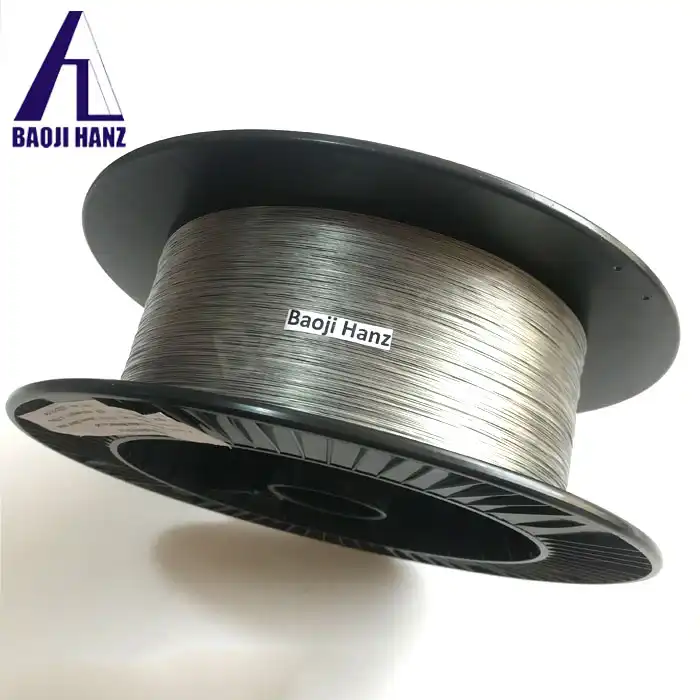
Understanding Medical Memory Nitinol Wire Surface Finish Options
Medical memory Nitinol wire surface finishes represent one of the most critical decisions in medical device manufacturing. The surface condition directly influences biocompatibility, corrosion resistance, and long-term device performance inside the human body. Different finishing processes create distinct oxide layer compositions and thicknesses that fundamentally alter how the nickel-titanium alloy interacts with biological tissues and fluids. Manufacturers must carefully evaluate multiple surface finish options including light oxide, black oxide, pickled, etched, mechanically polished, electropolished, and etched-mechanically polished finishes. Each surface treatment produces unique characteristics in oxide layer thickness, surface roughness, nickel content at the surface, and overall corrosion resistance. The selection process requires balancing mechanical requirements with biocompatibility standards while maintaining compliance with ASTM F2063 specifications for medical-grade superelastic nickel-titanium alloys. The complexity of Medical memory Nitinol wire surface selection increases when considering specific applications such as cardiovascular stents, orthodontic archwires, guidewires, surgical retrieval baskets, and implantable orthopedic devices. Each application demands different surface characteristics based on exposure duration, mechanical stress patterns, and interaction with specific body tissues or fluids. For instance, devices requiring radiopacity may benefit from certain surface finishes that enhance visibility under fluoroscopy, while those prioritizing minimal tissue irritation require ultra-smooth surfaces with controlled oxide compositions.
Light Oxide Surface Finish Characteristics
Light oxide surface finishes on Medical memory Nitinol wire result from controlled heat treatment processes that create thin, uniform titanium dioxide layers typically ranging from twenty to fifty nanometers in thickness. This finishing method produces a pale golden to light brown appearance depending on the exact oxide thickness achieved during thermal processing. The light oxide finish offers excellent balance between corrosion protection and maintaining the superelastic properties essential for medical device functionality. The relatively thin oxide layer minimizes potential nickel release while preserving the shape memory effect and superelastic characteristics that make nitinol invaluable for minimally invasive medical procedures. Manufacturing processes for light oxide finishes typically involve precise temperature control during heat treatment cycles combined with controlled atmospheric conditions to ensure uniform oxide growth across the entire wire surface. This finishing option proves particularly suitable for applications requiring smooth surface topography with minimal roughness that could irritate surrounding tissues during deployment or during device functioning over extended implantation periods. The light oxide finish demonstrates favorable friction characteristics important for devices that must navigate tortuous vascular pathways or be delivered through catheter systems. Surface roughness measurements for light oxide Medical memory Nitinol wire typically fall within acceptable ranges for minimizing platelet adhesion and thrombogenicity in cardiovascular applications. Research indicates that properly processed light oxide surfaces maintain stable corrosion resistance in physiological environments with minimal nickel ion release over extended time periods. The appearance of light oxide finishes also provides visual quality control advantages during manufacturing inspection processes, allowing operators to identify potential surface defects or inconsistencies that could compromise device performance or patient safety.
Black Oxide Surface Treatment Properties
Black oxide surface finishes represent one of the most visually distinctive treatments available for Medical memory Nitinol wire, characterized by their dark, nearly black appearance resulting from thicker titanium dioxide layers formed during extended high-temperature oxidation processes. This surface treatment creates oxide layers substantially thicker than light oxide finishes, typically measuring between one hundred to three hundred nanometers depending on specific processing parameters employed during manufacturing. The increased oxide thickness provides enhanced corrosion protection in challenging physiological environments where devices face prolonged exposure to bodily fluids containing chloride ions and other potentially corrosive species. Black oxide finishes find particular application in permanent implant devices such as cardiovascular stents, orthopedic implants, and long-term indwelling medical devices where maximum corrosion resistance outweighs considerations of wire flexibility or precision dimensional control. The manufacturing process for black oxide Medical memory Nitinol wire involves extended heat treatment cycles at elevated temperatures in carefully controlled atmospheres that promote preferential titanium oxide growth while minimizing nickel incorporation into the surface oxide layer. However, manufacturers must carefully balance processing parameters because excessively thick oxide layers can become brittle and prone to cracking under the high strains experienced during device deployment or cyclic loading in biological environments. Surface characterization studies demonstrate that black oxide finishes typically exhibit greater surface roughness compared to lighter oxide treatments, which may influence platelet adhesion, endothelialization rates, and inflammatory responses depending on the specific implant location and application requirements. Despite these considerations, black oxide surfaces provide superior nickel ion barrier properties that significantly reduce the risk of allergic responses in nickel-sensitive patients, making this finish attractive for devices with large surface areas or extended implantation durations.
Pickled Surface Finish Applications
Pickled surface finishes for Medical memory Nitinol wire result from chemical etching processes that remove oxide layers along with small amounts of underlying base metal material, creating distinctive matte gray appearances with characteristically rough surface textures. This finishing technique employs acidic solutions, typically containing mixtures of hydrofluoric and nitric acids in carefully controlled concentrations and exposure times to achieve uniform material removal across the entire wire surface. The pickling process effectively eliminates manufacturing artifacts, drawing compounds, and surface contaminants introduced during wire production while creating fresh reactive surfaces that rapidly form protective titanium-rich oxide layers upon exposure to atmospheric oxygen. Pickled Medical memory Nitinol wire surfaces exhibit superior cleanliness compared to as-drawn conditions, removing potential contamination sources that could compromise biocompatibility or trigger unexpected inflammatory responses following implantation. The rough surface topography characteristic of pickled finishes provides potential advantages for specific medical device applications requiring enhanced mechanical interlocking with surrounding tissues or improved adhesion of subsequently applied coatings such as drug-eluting polymers, hydrophilic lubricants, or radiopaque markers. However, the increased surface roughness also raises concerns about potential thrombogenicity in blood-contacting applications and may increase friction during catheter-based delivery through tortuous anatomical pathways. Manufacturers selecting pickled finishes for Medical memory Nitinol wire must carefully consider application-specific requirements and may employ additional post-pickling treatments to modify surface characteristics as needed. Research demonstrates that pickled surfaces typically show higher initial nickel release rates compared to oxidized finishes due to the reactive nature of freshly exposed metal surfaces, though these release rates typically decline rapidly as protective oxide layers form spontaneously in physiological environments.
Electropolished Surface Excellence
Electropolished surface finishes represent premium treatment options for Medical memory Nitinol wire intended for the most demanding medical applications requiring exceptional smoothness, cleanliness, and corrosion resistance. The electropolishing process removes surface material through controlled electrochemical dissolution in specialized electrolyte solutions while the wire serves as the anode in an electrical circuit, preferentially removing high points and irregularities to create remarkably smooth, reflective surfaces with minimal roughness. This finishing technique produces Medical memory Nitinol wire surfaces measuring only nanometers in roughness variation, dramatically reducing friction, particle generation, and potential irritation to surrounding tissues during device deployment and long-term implantation. Electropolished surfaces exhibit mirror-like appearances resulting from the atomic-level smoothing achieved through the controlled material removal process, while simultaneously creating uniform, defect-free titanium oxide layers that provide superior corrosion protection and biocompatibility. The electropolishing process for Medical memory Nitinol wire requires precise control of multiple parameters including electrolyte composition, temperature, current density, and processing time to achieve consistent results across production batches while maintaining dimensional tolerances critical for medical device functionality. Properly electropolished surfaces demonstrate significantly reduced nickel release compared to mechanically finished surfaces because the process eliminates microscopic cracks, crevices, and surface defects that serve as preferential corrosion initiation sites in physiological environments. Leading medical device manufacturers increasingly specify electropolished Medical memory Nitinol wire for cardiovascular stents, neurovascular devices, and other critical implants where surface quality directly impacts patient outcomes and device longevity. The enhanced surface characteristics justify the additional processing costs through improved device performance, reduced complication rates, and enhanced regulatory approval prospects for new medical technologies utilizing this premium surface finish option.
Mechanically Polished vs Etched-Mechanically Polished Finishes
Mechanically polished surfaces for Medical memory Nitinol wire result from abrasive processes employing progressively finer polishing media to remove surface irregularities and create smooth, bright appearances suitable for many medical device applications. Traditional mechanical polishing techniques utilize abrasive slurries or polishing wheels to gradually refine surface topography, though these methods inevitably leave microscopic scratches and directional surface features visible under high magnification that can influence corrosion initiation and progression. While mechanically polished Medical memory Nitinol wire offers improved smoothness compared to as-drawn or pickled conditions, the residual surface scratches may harbor contaminants and create preferential sites for localized corrosion when devices face long-term exposure to physiological fluids. Manufacturers must carefully control mechanical polishing parameters including abrasive particle size, polishing pressure, and sequential processing steps to achieve consistent surface quality while maintaining critical wire dimensions required for medical device assembly and functionality.
The etched-mechanically polished finish combines chemical etching with subsequent mechanical polishing to create hybrid surface characteristics offering advantages over either treatment alone. This two-step process first employs chemical etching using acidic solutions to remove disturbed surface layers and contaminants, followed by carefully controlled mechanical polishing to achieve smooth, bright surfaces with minimized directional scratching. Etched-mechanically polished Medical memory Nitinol wire demonstrates enhanced corrosion resistance compared to purely mechanically polished surfaces because the initial chemical treatment removes work-hardened surface layers and embedded contaminants before final polishing creates the smooth surface finish. This combination approach produces surfaces approaching stainless steel brightness in appearance while maintaining the titanium-rich oxide composition essential for nitinol biocompatibility. Medical device manufacturers selecting between mechanically polished and etched-mechanically polished finishes must consider application-specific requirements for surface smoothness, corrosion resistance, and biocompatibility alongside manufacturing cost considerations and dimensional tolerance requirements for their specific device designs.
Critical Performance Factors in Medical Memory Nitinol Wire Surface Selection
Surface finish selection for Medical memory Nitinol wire directly determines critical performance parameters including corrosion resistance, nickel ion release kinetics, biocompatibility, fatigue life, and friction characteristics during device deployment. Research examining corrosion behavior across different surface finishes reveals that oxide layer thickness, composition, and defect density significantly influence breakdown potential and pitting corrosion susceptibility in chloride-containing physiological environments simulating human body conditions. Thicker oxide layers generally provide enhanced corrosion protection, but excessive thickness can compromise oxide adhesion and mechanical integrity under the high strains experienced during superelastic deformation cycles. Surface defects including scratches, pits, and embedded contaminants serve as preferential corrosion initiation sites that can propagate into the base metal, potentially releasing unacceptable nickel concentrations or compromising mechanical properties through localized material loss. Medical device manufacturers must carefully evaluate trade-offs between corrosion protection, mechanical performance, manufacturing feasibility, and cost considerations when selecting optimal surface finishes for specific Medical memory Nitinol wire applications.
The relationship between surface area and corrosion susceptibility adds another layer of complexity to surface finish selection, particularly for devices with large surface areas such as expanded stents or complex braided constructions. Studies demonstrate that breakdown potential typically decreases with increasing surface area, though this relationship varies among different surface finishes with some treatments showing plateau behavior at larger surface areas. Understanding these relationships helps manufacturers predict performance for various device sizes and configurations while selecting surface finishes that maintain adequate corrosion resistance across the full range of device dimensions required for patient anatomical variations. Additionally, surface finish influences other critical parameters including radiopacity for fluoroscopic visualization, surface friction affecting deliverability through catheter systems, and cellular responses determining tissue integration and healing following implantation. Comprehensive evaluation of all these factors ensures optimal Medical memory Nitinol wire surface finish selection supporting both device functionality and patient safety throughout the intended device lifetime.
Biocompatibility and Nickel Release Considerations
Biocompatibility represents the paramount consideration when selecting surface finishes for Medical memory Nitinol wire intended for implantable medical devices, as the surface directly contacts human tissues and biological fluids throughout the device lifetime. The primary biocompatibility concern with nitinol alloys stems from the approximately fifty percent nickel content, as nickel ions can trigger allergic reactions, inflammatory responses, and potential toxic effects if released in excessive quantities into surrounding tissues or the bloodstream. Surface oxide layers serve as critical barriers preventing nickel release by creating stable, protective titanium dioxide films that isolate the underlying nickel-containing alloy from the physiological environment. Different surface finishing processes produce oxide layers with varying thickness, composition, defect density, and protective capability, directly influencing the rate and extent of nickel ion release under physiological conditions. Properly processed Medical memory Nitinol wire surfaces maintain nickel release rates well below threshold levels for triggering allergic responses or toxicity concerns, ensuring safe long-term implantation even in nickel-sensitive patient populations.
Surface characterization studies employing techniques such as X-ray photoelectron spectroscopy reveal significant variations in oxide composition among different surface finishes, with some treatments producing oxide layers containing residual nickel species while others achieve nearly pure titanium dioxide compositions at the outermost surface. Electropolished and certain thermally oxidized surfaces typically demonstrate superior nickel barrier properties compared to mechanically finished surfaces due to more uniform, defect-free oxide structures. Long-term immersion studies in simulated body fluids provide critical data regarding nickel release kinetics over extended periods, helping manufacturers select Medical memory Nitinol wire surface finishes that maintain stable, low nickel release throughout anticipated device lifetimes. Regulatory agencies including the FDA scrutinize biocompatibility data intensively during medical device approval processes, requiring comprehensive testing demonstrating acceptable nickel release levels, cytotoxicity profiles, and inflammatory responses for the specific surface finish employed in commercial device production. Manufacturers must maintain rigorous process controls ensuring consistent surface finish quality across production lots to guarantee reliable biocompatibility performance meeting regulatory requirements and protecting patient safety.
Impact on Mechanical Properties and Device Performance
Surface finishing processes significantly influence mechanical properties of Medical memory Nitinol wire beyond simple surface characteristics, affecting critical parameters including tensile strength, fatigue resistance, transformation temperatures, and superelastic behavior. Chemical treatments involving acidic solutions remove surface material, potentially affecting wire dimensions and altering local composition through preferential dissolution of specific alloy constituents. Thermal oxidation processes expose Medical memory Nitinol wire to elevated temperatures that can modify the underlying microstructure, potentially affecting transformation behavior and mechanical properties depending on time-temperature profiles employed during processing. Manufacturers must carefully optimize surface finishing parameters balancing desired surface characteristics against potential impacts on the superelastic and shape memory properties that make nitinol uniquely valuable for medical device applications. Comprehensive material characterization including tensile testing, differential scanning calorimetry for transformation temperature determination, and fatigue testing under simulated use conditions ensures selected surface finishes maintain the mechanical performance required for device functionality throughout the intended service life.
The surface finish on Medical memory Nitinol wire also directly affects fatigue performance, a critical consideration for devices experiencing cyclic loading during normal physiological function such as cardiovascular stents subjected to millions of cardiac cycles or orthodontic wires repeatedly loaded during mastication. Surface defects including scratches, pits, and residual stress concentrations from manufacturing processes serve as crack initiation sites that significantly reduce fatigue life compared to defect-free surfaces. Smoother surface finishes achieved through electropolishing or carefully controlled mechanical polishing generally demonstrate enhanced fatigue resistance by eliminating stress concentration sites and creating more uniform surface stress distributions during cyclic loading. Research examining rotating beam fatigue behavior across different surface finishes reveals substantial performance variations, with premium surface treatments potentially extending fatigue life by factors of two to five compared to minimally processed surfaces. Medical device manufacturers designing products for long-term implantation or cyclic loading applications must prioritize surface finishes demonstrating proven fatigue performance in addition to meeting biocompatibility and corrosion resistance requirements essential for safe, reliable device operation.
Baoji Hanz Metal Material Co., Ltd. - Premium Medical Memory Nitinol Wire Solutions
At Baoji Hanz Metal Material Co., Ltd., we manufacture high-quality Medical memory Nitinol wire with multiple surface finish options including bright, black oxide, and pickled treatments to meet diverse medical device application requirements. Our advanced manufacturing capabilities enable precise control of wire dimensions from 0.05mm diameter and larger, maintaining tight tolerances essential for medical device assembly while delivering consistent mechanical properties including tensile strength up to 1200 MPa and superelastic strain recovery exceeding eight percent at body temperature. All Medical memory Nitinol wire products conform to ASTM F2063-2018 international standards for medical-grade nickel-titanium alloys, ensuring material chemistry, transformation temperature ranges between -15°C and 100°C, and microstructural characteristics meet stringent requirements for implantable medical devices. We offer flexible customization including tailored phase transition temperatures, custom lengths wound on spools or supplied in straight cut lengths, and various packaging options supporting efficient integration into your medical device manufacturing processes.
Our technical team provides comprehensive support helping customers select optimal Medical memory Nitinol wire specifications including appropriate surface finishes for specific medical device applications ranging from cardiovascular stents and guidewires to orthodontic arch wires, root canal files, surgical retrieval baskets, and implantable orthopedic devices. With seven years of specialized expertise in nitinol shape memory alloys, superelastic nitinol alloys, and medical-grade nickel-titanium materials, we understand the critical relationships between surface finish selection, corrosion resistance, biocompatibility, and mechanical performance determining device success. Our quality management systems certified to ISO9001, SGS, and TUV standards ensure consistent product quality through rigorous incoming material inspection, in-process monitoring, and final product testing validating all specifications before shipment. We maintain production process documentation for minimum five years supporting traceability requirements for medical device quality systems and regulatory compliance. Our commitment to customer success extends beyond product delivery through ongoing technical consultation, application support, and after-sales service tracking product performance in your manufacturing processes and helping optimize material specifications for continuous improvement.
Conclusion
Selecting the best surface finish for Medical memory Nitinol wire requires comprehensive evaluation of corrosion resistance, nickel release kinetics, biocompatibility, mechanical properties, and application-specific requirements. Each finishing option offers distinct advantages with electropolished and controlled oxide surfaces generally providing superior performance for critical medical implant applications.
Cooperate with Baoji Hanz Metal Material Co., Ltd.
Partner with Baoji Hanz Metal Material Co., Ltd., your trusted China Medical memory Nitinol wire manufacturer, China Medical memory Nitinol wire supplier, and China Medical memory Nitinol wire factory specializing in High Quality Medical memory Nitinol wire for sale at competitive Medical memory Nitinol wire prices. With seven years of expertise in Nitinol Shape Memory Alloy, Superelastic Nitinol Alloy, and Nickel Titanium Alloy, we offer direct supply advantages delivering cost savings and fast delivery from large stock inventories. As a leading China Medical memory Nitinol wire wholesale provider, we deliver OEM services customizing specifications, alloy compositions, and packaging perfectly fitting your project requirements. Our sophisticated production equipment, professional sales team, and comprehensive customer service including pre-sale technical consultation, order tracking, and after-sales support ensure your success. Contact us at baojihanz-niti@hanztech.cn to request quotes, technical specifications, or samples for your Medical memory Nitinol wire applications.
References
1 .Shabalovskaya, S., Anderegg, J., Van Humbeeck, J. (2008). "Critical Overview of Nitinol Surfaces and Their Modifications for Medical Applications." Acta Biomaterialia, Vol. 4, Issue 3, pp. 447-467.
2. Thierry, B., Merhi, Y., Bilodeau, L., Trépanier, C., Tabrizian, M. (2002). "Nitinol versus Stainless Steel Stents: Acute Thrombogenicity Study in an Ex Vivo Porcine Model." Biomaterials, Vol. 23, Issue 14, pp. 2997-3005.
3. Duerig, T., Pelton, A., Stöckel, D. (1999). "An Overview of Nitinol Medical Applications." Materials Science and Engineering: A, Vol. 273-275, pp. 149-160.
4. Ryhänen, J., Niemi, E., Serlo, W., Niemelä, E., Sandvik, P., Pernu, H., Salo, T. (1997). "Biocompatibility of Nickel-Titanium Shape Memory Metal and Its Corrosion Behavior in Human Cell Cultures." Journal of Biomedical Materials Research, Vol. 35, Issue 4, pp. 451-457.
5. Trepanier, C., Tabrizian, M., Yahia, L., Bilodeau, L., Piron, D. L. (1998). "Effect of Modification of Oxide Layer on NiTi Stent Corrosion Resistance." Journal of Biomedical Materials Research, Vol. 43, Issue 4, pp. 433-440.