Nitinol Plate in Medical Devices: Working with an Experienced Contractor
2026-07-23 17:21:40
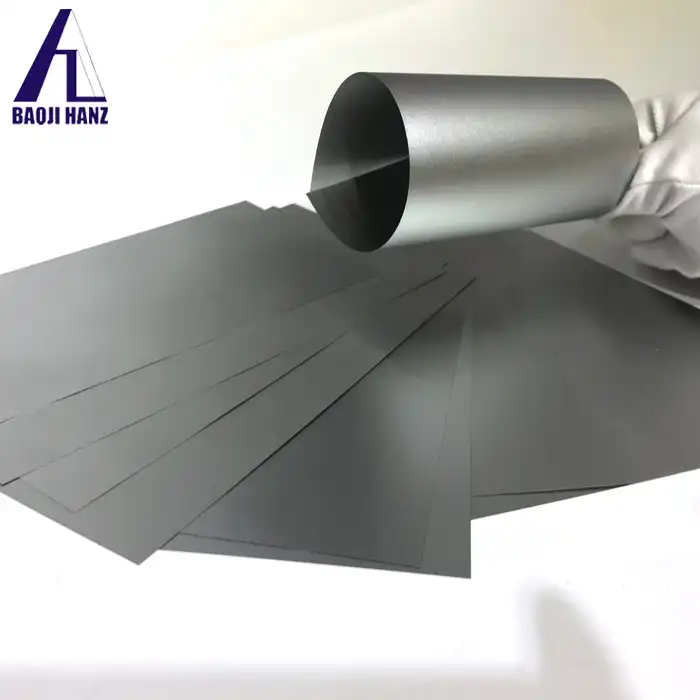
The medical grade nitinol plate stands out as a material that can change things when looking for improved functional metals for making precise medical devices. Nitinol is a combination of almost equal amounts of nickel and titanium. It has two amazing properties: it can change its shape, and it is very springy. Because of these qualities, the material can return to its original shape after being deformed a lot. This makes it ideal for use in orthopedics, implant parts, and surgery tools. To get the most out of this bio-implantable material in tough medical settings, you need to work with a contractor who has a lot of experience and knows how to handle nitinol processes, quality control, and customization.
Understanding Medical Grade Nitinol Plates: Properties and Benefits
Medical grade nitinol plates made for medical use are designed to meet strict international standards like ASTM F2063 and ISO 13485. Biocompatible metals like these are made up of about 50–51% nickel and 49–50% titanium. Their unique makeup gives them mechanical and thermal properties that can't be found in other implant materials.
Shape Memory Effect and Superelasticity
Nitinol is unique because it can appear in two different crystalline phases: martensite and austenite. At lower temperatures, the material stays in a martensitic state that makes it easy to shape. This lets makers pre-deform the plate into complicated shapes. When heated to body temperature, which is usually around 37°C, the plate changes to the austenitic phase and goes back to the shape it had before. This ability to remember its shape is especially helpful in dynamic osteosynthesis systems, where the plate actively presses on bone pieces to help them heal.
Nitinol, on the other hand, can go through reversible strains of up to 8%, which is a lot more than stainless steel's less than 1% reversible strain. This feature lets nitinol plates bend and adjust to body movements without permanently changing shape. This lowers stress protection and helps the bones fuse together better.
Biocompatibility and Corrosion Resistance
On the surface of medical grade nitinol plates, a thick layer of titanium dioxide (TiO₂) forms naturally. This layer stops the release of nickel ions and ensures long-term biocompatibility. According to ISO 10993, nitinol that has been properly handled meets guidelines for cytotoxicity, sensitivity, and irritation. The material is very good at resisting corrosion in physiological and saline conditions. This makes it even better for implantable devices because it lowers the chance of bad tissue reactions over long periods of time.
Comparative Advantages Over Traditional Materials
Nitinol has a smaller elastic modulus (about 40–75 GPa) than CP titanium or 316L stainless steel. This makes it more like human cortical bone in terms of how it behaves mechanically. This similarity lowers stress shielding, a problem that happens when implants that are too stiff take on loads that should be put on bone, which causes bone mass loss. Nitinol plates keep the load shared in a dynamic way, which helps tissues heal and improves patient results.
Comparing Medical Grade Nitinol Plates: How to Choose the Best Option?
To choose the best medical grade nitinol plate, you need to carefully look at its technical performance, biocompatibility, and the quality of its construction. To make sure the material meets the needs of the project, procurement experts and materials engineers have to find a balance between technical requirements and the supplier's abilities.
Mechanical Performance Metrics
Transformation temperature (Af point), superelastic peak stress, and fatigue resistance are some of the most important factors to look at. If the Af point is above body temperature, the plate will be a shape memory device. If it is below body temperature, it will be a superelastic component. Differential Scanning Calorimetry (DSC) according to ASTM F2004 checks the Af temperature to within ±2°C, which makes sure that it will behave consistently when used in clinical settings.
Tensile hysteresis testing (ASTM F2516) for medical grade nitinol plate checks that the material can really be superelastic by measuring the upper and lower peak loads. Another important thing to think about is fatigue life. Nitinol plates can withstand millions of load cycles at strains of 1.0 to 1.5%, which makes them much better than titanium in high-deflection uses like rib replacement or craniofacial repair.
Certifications and Compliance
Buying teams should give more weight to sellers who are registered with FDA, ISO 9001, and ISO 13485. These approvals show that strong quality control systems and traceability standards are being followed. It is also important to check the inclusion values according to ASTM F2063 because carbide and oxide inclusions (TiC, Ti₄Ni₂Oₓ) can cause stress cracks that weaken the plate over time.
Customization Capabilities
Customized alloy compositions, surface finishes, and non-standard shapes are often needed for medical equipment projects. Custom processing by experienced contractors, like abrasive waterjet cutting, femtosecond laser profiling, or wire electrical discharge machining (EDM), makes it possible to make exact parts without hurting the crystal structure or oxide layer of the material. For tight tolerances on dimensions and complicated design features, this freedom is very important.
Working with an Experienced Contractor: Ensuring Quality and Compliance
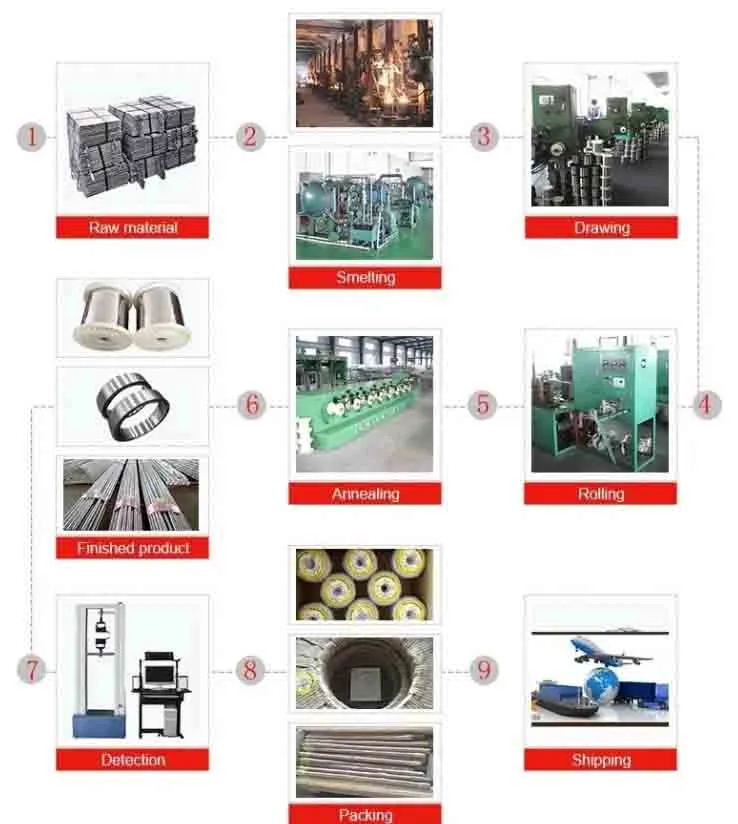
Working with a nitinol maker with a lot of experience is important for keeping the quality of the product, following the rules, and making sure the supply chain works. Expert workers bring a lot of technical know-how, strict process controls, and services that add value to medical device projects, making them easier to complete.
Rigorous Quality Control Systems
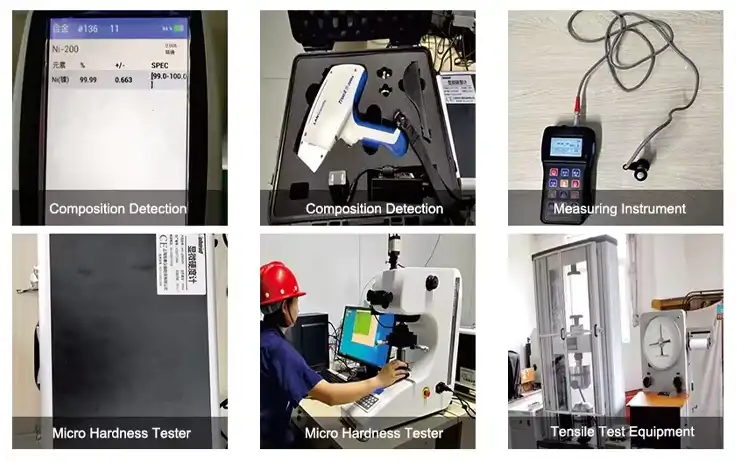
We use multiple quality control steps at Baoji Hanz Metal Material Co., Ltd. to make sure that every medical grade nitinol plate we make meets the highest standards. As part of our inspection process, we use DSC analysis to check the transformation temperatures, tensile hysteresis tests to check the superelastic behavior, and vacuum arc remelting (VAR) sources to do inclusion rate evaluations. X-ray Photoelectron Spectroscopy (XPS) or Auger Electron Spectroscopy is used to check the surface and make sure the passive TiO₂ layer is thick and continuous. This makes sure the best rust protection according to ASTM F2129.
We keep records of the tracking of the production process for at least five years. This allows for full traceability and helps with governmental audits. This paperwork includes certifications for materials, processing logs, and inspection records. It gives buying teams the information they need to make decisions with confidence.
Customization and Technical Support
Together with our clients, our manufacturing team creates unique nitinol plates that meet the needs of each application. We can give you solutions that meet your technical and legal needs, whether you need very thin sheets for orbital floor mesh, strong plates for dynamic bone fixation, or superelastic parts for chest reconstruction. Our OEM services include unique shapes, specific nickel-titanium ratios, and special surface treatments that make sure they fit perfectly into the designs of your devices.
In addition to production, we offer full help before and after the sale. Our technical experts can talk about the performance of alloys, suggest the best processing settings, and help with any problems that come up during device assembly or clinical trials.
Capacity and Lead Times
We have seven years of experience with medical grade nitinol plate nitinol shape memory and superelastic alloys, and we keep a large stock of standard plate sizes so that we can get them to you quickly for jobs that need to be done on time. We can handle large orders with our high-tech production tools, but we can also make small batches of samples if needed. Direct supply from our plant cuts out middlemen, which lowers costs and makes contact easier.
Procurement Insights for Medical Grade Nitinol Plates: How to Buy Smart
To strategically buy nitinol plates, you have to understand how prices change, negotiate good terms, and check out sources to build long-term relationships that allow for scalable production.
Understanding Pricing Factors
The price of medical grade nitinol plates depends on a number of factors. Customization level, which includes certain change temperatures, non-standard sizes, and custom surface finishes, raises the base price. The amount of the order is also very important. Buying in bulk saves money because of economies of scale, which lower the cost per unit. Another factor is certification status. Plates that are certified to ASTM F2063 and come with full material traceability paperwork cost more, but they give you the peace of mind you need for FDA applications and following the rules.
Negotiating Lead Times and Payment Terms
When making big or regular orders, it's important to be able to talk to your contractor clearly. Make sure that production dates, transportation arrangements, and backup plans are clear so that supply problems don't happen. Talking about flexible payment terms, like payments based on milestones or lines of credit, can help you handle your cash flow better while keeping trust.
Supplier Vetting and Performance Reviews
Doing thorough due research lowers the risk of buying. Ask for names from suppliers, look over quality assurance paperwork, and, if you can, do facility checks to figure out how much you can make. Suppliers like Baoji Hanz Metal Material Co., Ltd. that are ISO 9001 and SGS approved show that they are dedicated to quality control and consistency. We're happy to answer questions about our production skills, testing procedures, and how well we've done in the past with similar medical device projects.
Applications and Future Prospects of Medical Grade Nitinol Plates
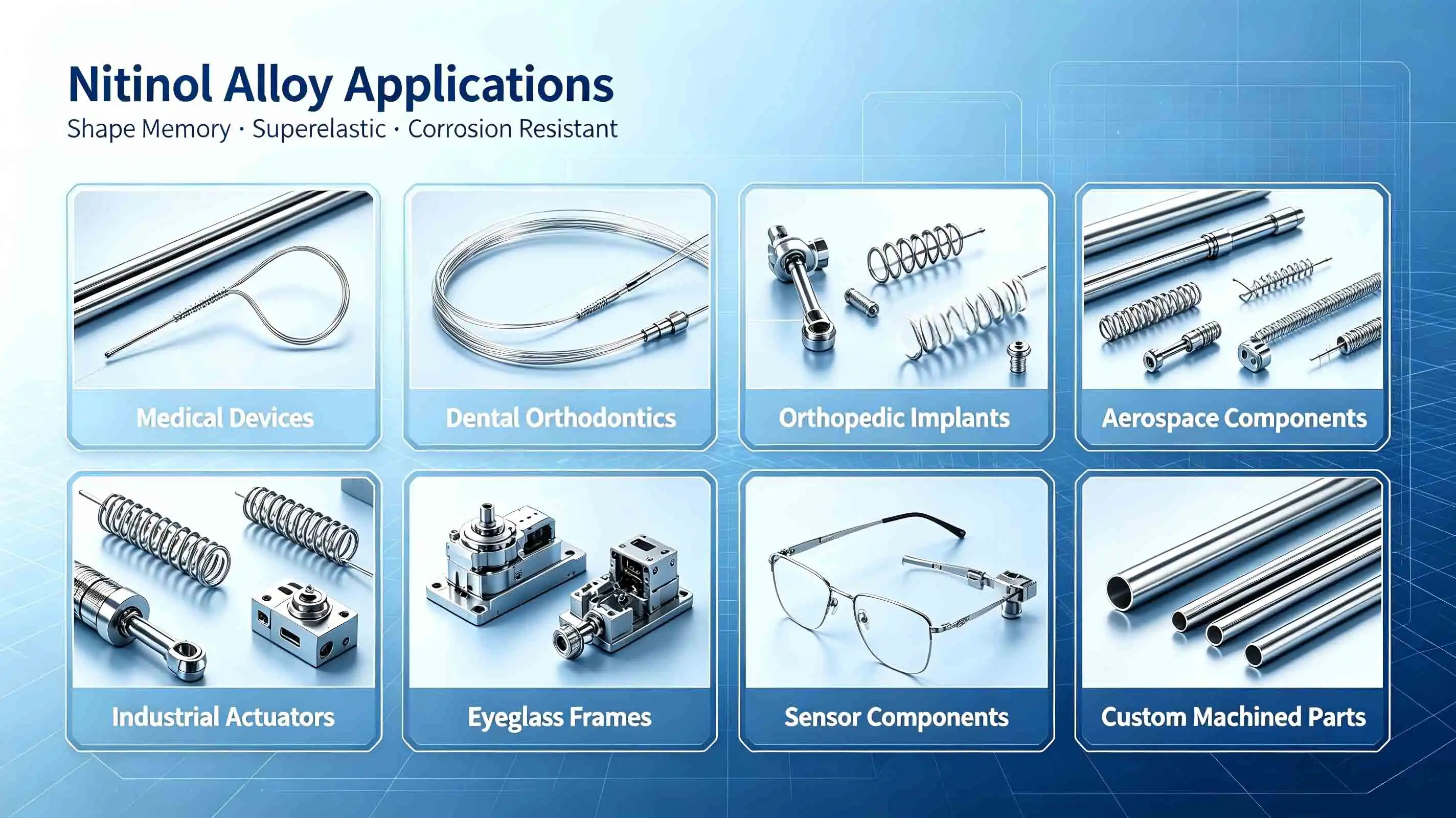
Medical grade nitinol plates are used in many different ways to make improved medical devices. Their special properties help designers solve important problems and improve patient results.
Orthopedic and Trauma Applications
In dynamic osteosynthesis, nitinol plates are cooled to the martensitic state by doctors. This lets the material be stretched and placed over bone pieces. As soon as the plate reaches body temperature, it shrinks, pulling the pieces together and speeding up the union process. This active compression system works better than static fixation methods, which speeds up mending and lowers the risk of complications.
Thoracic and Craniofacial Reconstruction
Superelastic nitinol plates are great for fixing the rib cage because the device has to be able to handle millions of breathing bending cycles without breaking. The material can mimic the natural flexibility of ribs, which allows for movement while keeping the structure strong. In the same way, thin-gauge nitinol plates used in orbital floor mesh can be shaped easily and provide firm support once they are inserted. This makes the fit better and shortens the surgery time.
Future Innovations
Researchers are still looking into how to use new manufacturing methods, like 3D printing, to make personalized plate geometries with traits that are unique to each patient. Nitinol is becoming more useful in soft tissue interactions and infection-resistant uses thanks to surface processes like electropolishing, black oxide finishing, and bioactive coats. Experienced workers keep putting money into research and development (R&D), which makes sure they can offer cutting-edge solutions that keep up with changing regulations and client needs.
Conclusion
When it comes to flexibility, biocompatibility, and mechanical performance, medical grade nitinol plates are a big step forward in medical device materials. To successfully add these advanced metals to your devices, you need to work with a skilled contractor who can provide strict quality control, unique solutions, and quick technical support. We at Baoji Hanz Metal Material Co., Ltd. have been in business for seven years and know how to make medical grade nitinol plates that meet the highest standards in the industry. Our direct supply model, large standard stock, and OEM customization options give your purchasing team the tools they need to save money, follow regulations, and complete projects successfully.
FAQ
What makes medical grade nitinol plates superior for implants compared to traditional metals?
Medical grade nitinol plates are very flexible and can remember their shape, so they can heal from being deformed a lot without getting damaged again. Their elastic stiffness is very close to that of human bone, which lowers stress buffering and improves osseointegration. The strong TiO₂ passivation layer keeps the metal biocompatible over time by stopping the release of nickel ions, which can happen with some stainless steel alloys.
How long does it typically take to receive custom nitinol plates from a contractor?
Leading times depend on how customized the item is and how many of them are ordered. Standard sizes from stock that has been kept for a while can be shipped within days. Custom specs, such as specific transformation temperatures, non-standard sizes, or surface treatments, usually take two to four weeks to make and check for quality. Clear contact with your worker will help you stick to the schedule.
Are medical grade nitinol plates universally biocompatible and safe for all patients?
Nitinol plates are very biocompatible as long as they are treated and passivated according to ASTM F2063 and ISO 10993 guidelines. Nickel sensitivity worries are eased by the thick TiO₂ barrier that stops ions from leaking. Patients with serious nickel allergies should be looked at on a case-by-case basis, though, and other materials may be considered if a clinical risk assessment says so.
Partner with HANZ for High-Performance Nitinol Plate Solutions
The medical grade nitinol plates you need can be found at Baoji Hanz Metal Material Co., Ltd., which has unmatched knowledge in shape memory and superelastic nickel-titanium alloys. To meet the needs of your most difficult medical device projects, we offer tailored specifications, strict quality control that is certified by ISO 9001 and SGS, and quick expert help. Our direct supply advantage cuts costs while maintaining uniform quality, speedy delivery, and full traceability paperwork to meet regulatory requirements. You can email our team at baojihanz-niti@hanztech.cn to talk about your nitinol plate needs, ask for material certifications, or find out about prices and wait times. HANZ is your partner in precision alloy options that can help you make your medical device ideas better.
References
Duerig, T., Pelton, A., & Stöckel, D. (1999). An Overview of Nitinol Medical Applications. Materials Science and Engineering: A, 273-275, 149-160.
Morgan, N. B. (2004). Medical Shape Memory Alloy Applications—The Market and Its Products. Materials Science and Engineering: A, 378(1-2), 16-23.
Shabalovskaya, S. A. (2002). Surface, Corrosion and Biocompatibility Aspects of Nitinol as an Implant Material. Bio-Medical Materials and Engineering, 12(1), 69-109.
Stoeckel, D., Pelton, A., & Duerig, T. (2004). Self-Expanding Nitinol Stents: Material and Design Considerations. European Radiology, 14(2), 292-301.
Elahinia, M. H., Hashemi, M., Tabesh, M., & Bhaduri, S. B. (2012). Manufacturing and Processing of NiTi Implants: A Review. Progress in Materials Science, 57(5), 911-946.
Robertson, S. W., Pelton, A. R., & Ritchie, R. O. (2012). Mechanical Fatigue and Fracture of Nitinol. International Materials Reviews, 57(1), 1-37.