The Benefits of Using Nitinol Wire in Medical Applications
2026-06-30 19:07:50
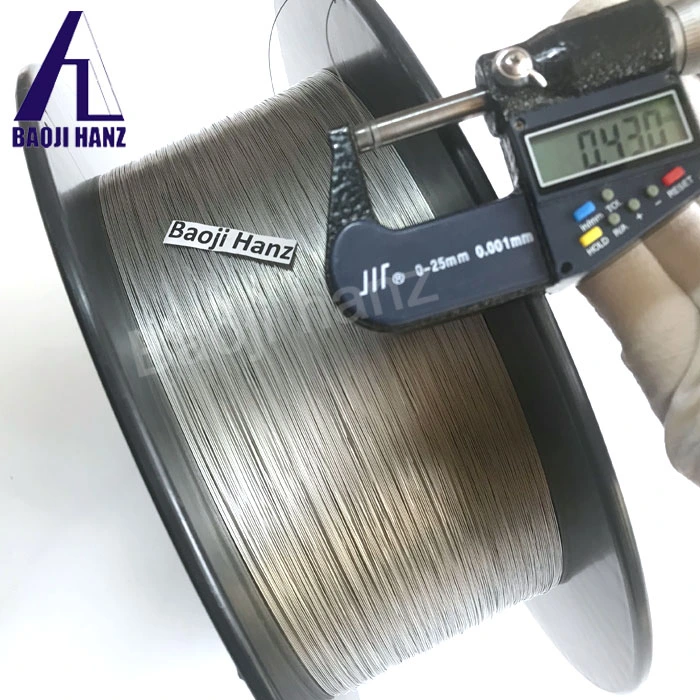
Industrial nitinol wire's unique nickel-titanium metal makeup makes it very useful for making medical devices. This binary shape memory metal has transformative properties, including superelasticity that lets it bend up to 8% without permanently changing shape, programmable shape memory effects that are triggered by certain temperatures, excellent biocompatibility, and amazing resistance to corrosion. These qualities directly address important problems in the production of medical devices, such as making them smaller, better patient outcomes through adaptive device behavior, and increasing the service life of parts in physiological conditions that are hard on them. Understanding these basic concepts about materials helps sourcing specialists and materials engineers make devices work better while also passing strict government standards.
Understanding Nitinol Wire and Its Core Properties
Composition and Material Fundamentals
The atoms of nickel and titanium in Nitinol are very close to being equal. It is made up of about 55% nickel by weight and 45% titanium. The name comes from the "Nickel Titanium Naval Ordnance Laboratory," which is where scientists first learned about its amazing qualities in the 1960s. Unlike most metals, which only have atomic bond stretching to make them pliable, Nitinol has two different structures that can change crystallographically: austenite (the stable parent phase) and martensite (the lower-temperature phase).
This phase-change process lets medical materials do things that aren't possible with regular materials. The order of the atoms changes between these phases when the temperature or the force of gravity changes. This makes a material that "remembers" and goes back to its original shape. Our company, Baoji Hanz Metal Material Co., Ltd., makes industrial-grade nickel-titanium alloy wire that meets ASTM F2063 standards. The transition temperatures (Af) are carefully controlled and can be changed to fit the needs of any application.
Shape Memory Effect Explained
Shape memory effect (SME) lets Nitinol that has been bent return to its original shape when heated above the temperature at which it changes shape. A lasting form is "trained" into the material during production by heating it to high temperatures. The wire can be bent or made into different shapes when it is cooled below its transformation point. When heated again, the phase changes back to austenite, which gives the wire a lot of healing force to return to its original shape.
This thermomechanical behavior is very helpful for medical equipment that need to be put into use at body temperature. A part that is squeezed for minimally invasive delivery can return to its original shape after being warmed by the tissues around it. The transition temperature standard is very important. Our production skills allow exact Af temperature control within ±2°C, which makes sure that activation will happen as planned in clinical settings.
Superelasticity and Pseudoelastic Behavior
Nitinol shows superelasticity when the transformation temperatures drop below the operating conditions. This is a strain-induced martensitic transformation that happens when the material is loaded mechanically instead of when it is heated and cooled. When stress is applied, the phase changes to martensite, which can handle big deformations (up to 8% strain compared to 0.2% strain for stainless steel). When the load is taken off, the material changes back to austenite on its own, going back to its previous shape.
This pseudoelastic reaction gives the material a lot of flexibility without permanently deforming or kinking, which is a way that most materials fail. This trait is very helpful for medical devices that have to move through complicated anatomical paths because it keeps the structure strong even after many high-strain cycles that would cause regular metals to deform plastically.
Biocompatibility and Corrosion Resistance
The inactive titanium oxide layer that forms naturally on Nitinol surfaces is very good at being biocompatible and resistant to rusting in living things. Concerns about nickel sensitivity are eased by this protection film, which stops nickel ions from escaping when things are normal. For medical-grade requirements, extra surface treatments are often needed. Electrophoresis makes uniform oxide layers and gets rid of tiny flaws that could hurt fatigue performance.
Our industrial nitinol wire comes with either a bright, pickled, or rust finish on the outside, based on what needs to be done next. The material's density of 6.45 g/cm³ makes it strong for its weight, which means that gadget shapes can be shortened while mechanical performance stays the same.
Advantages of Nitinol Wire in Medical Devices Compared to Traditional Materials
Superior Mechanical Properties
Material choice has a direct effect on how well the gadget works, how well the patient does, and how reliable it is in the long run. When you compare Nitinol to other options, you can see that it performs much better in a number of ways:
- Strength-to-Weight Performance: Nitinol has tensile values higher than 1000 MPa while still being less dense than stainless steel metals. This mixture makes it possible for device profiles to be thinner without losing structural integrity. This lowers the forces needed to enter the device and makes it easier to move through delicate body structures.
- Fatigue Resistance: When materials are loaded and unloaded over and over, they break down because they work harder and cracks spread. Nitinol's phase change process spreads strain evenly across the crystallographic structure instead of concentrating stress in a few places. Testing shows that fatigue lives are more than 10 million cycles at the right strain levels, which is important for devices that are constantly moving in a natural way.
- Elastic Modulus Advantage: The Young's modulus of superelastic Nitinol is only 40–80 GPa, based on the phase state. This is much lower than that of stainless steel (190-200 GPa) and titanium alloys (110–120 GPa). This lower stiffness makes the material more flexible while still having enough columnar strength. This solves the problem of "flexural modulus versus strength" in designing minimally invasive instruments.
- Corrosion Performance: In physiological conditions high in chloride, the stable titanium oxide passivation layer is better at stopping pitting, crevice corrosion, and stress corrosion cracking than stainless steel types. This improved weather stability is good for long-term implant uses.
These material benefits directly lead to better functionality. Devices have better tracking through complicated vascular systems, less damage to vessels during travel, and longer service times before they need to be replaced.
Enhanced Device Longevity and Reliability
Part lifespan is an important thing to think about when buying things because it helps you balance the original cost of materials with how well they work over time. Many of the qualities that make Nitinol useful for making things last longer are natural.
Because they are superelastic, they don't bend permanently when they are overloaded, which would happen with other materials. During practical use, devices are put through forces that were not expected, but they still keep their shape and function. This toughness cuts down on service claims and problems in the field.
The transformation device also has built-in safety against overload. Extreme strains that would break most metals can be handled by stress-induced martensite formation. Once loads return to normal, the structure fully heals. This "self-healing" property stops damage from getting worse over time.
Making things with exact specs also makes them more reliable. Our industrial nitinol wire keeps diameter limits of ±0.01 mm or ±0.02 mm, based on the size. This makes sure that all production runs work the same way. This control over dimensions is necessary for automatic building processes and for knowing how finished devices will work mechanically.
Technical Guidance for Working with Nitinol Wire in Medical Manufacturing
Heat Treatment and Property Optimization
Careful heat processing is needed to get the desired qualities from industrial nitinol wire. For shape memory training, the wire is held in place in the desired shape and heated at temperatures usually between 450°C and 550°C for minutes to hours, dependent on the diameter of the wire and the mix of properties that is wanted. Transformation temperatures, hysteresis width, and recovery force features are all affected by the exact time-temperature curve.
Controlling the atmosphere during heat treatment stops surface rust that could hurt biocompatibility and wear performance. The quality of the surface is kept safe during processing in a vacuum, an inert gas, or with protective coats. After the shape is set, controlled cooling rates change the end microstructure and how it transforms.
The state of the material before it is shaped also affects the results. When it comes to behavior, work-hardened wire reacts differently than annealed material. Manufacturers can get uniform results across production runs if they understand these processing connections. For advice on heat treatment settings that are relevant to your application, our technical team is here to help.
Machining and Fabrication Best Practices
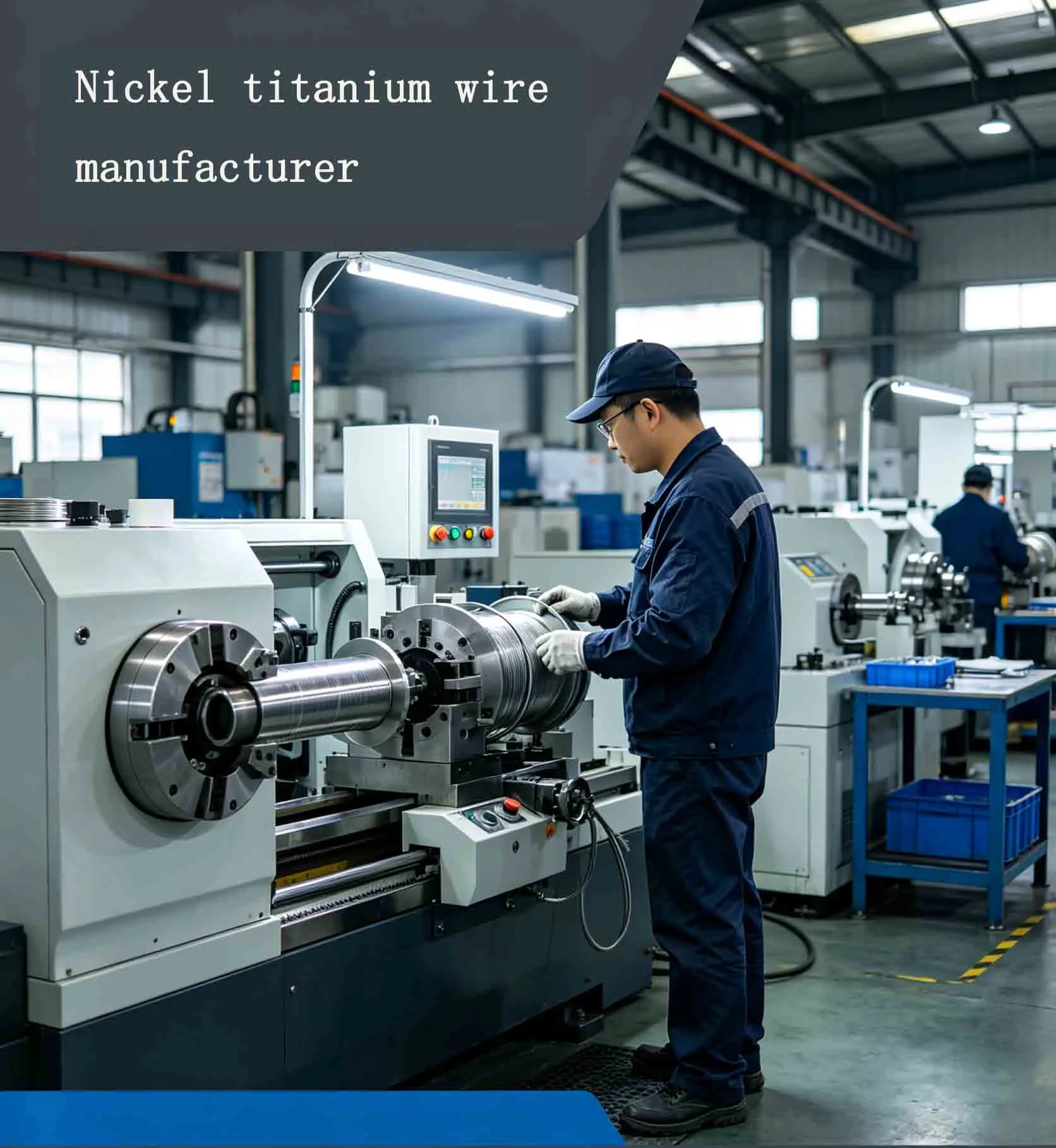
Nitinol is hard, tends to work-harden, and doesn't conduct heat well, which makes it difficult to work with mechanically. Choosing the right tools is very important. Using carbide or diamond tools with the right clearance angles stops work from getting too hard and the tools from wearing out too quickly. Cutting speeds should stay pretty low, and heat should be kept under control with constant flood cooling.
Wire drawing, swaging, and centerless grinding are all popular ways to make the circle smaller and the surface smoother. Each process leaves behind some stress that changes the way things transform and needs to be taken into account during the next heat treatment. Stress reduction annealing might be needed in between making steps to keep work-hardening from building up.
When the parameters are set correctly, laser cutting gives you exact measurements with few heat-affected areas. To stop wear starting points, however, the casting layer and microstructural changes in the heat-affected zone need to be removed by chemical etching or electropolishing.
Surface Treatment and Corrosion Prevention
The state of the surface has a big effect on both biocompatibility and mechanical performance. As-drawn wire often has oil leftovers and surface flaws left over from when it was made. Pickling in solutions of hydrofluoric acid and nitric acid gets rid of scale and other impurities while making the surface chemistry constant and controlled by titanium oxide.
By anodically removing material primarily at surface peaks, electropolishing gives the best surface finish. This process smooths out the surface, fixes damage from previous mechanical operations below the surface, and makes an even oxide layer that doesn't rust. By getting rid of stress accumulation spots, the new surface is more resistant to fatigue.
Passivation processes make the protected oxide layer even stronger, especially after machining operations that might damage the native film. Medical gadgets that come into touch with blood or stay in physiological environments for a long time need to have their surfaces properly prepared.
Procuring Industrial-Grade Nitinol Wire for Medical Applications
Supplier Selection Criteria
Picking dependable industrial nitinol wire material suppliers has a direct effect on the standard of the product, the time it takes to create, and compliance with regulations. The evaluation should look at more than just unit price.
- Production Capabilities: Make sure that possible sources have the right tools and knowledge to meet your needs. Baoji Hanz Metal Material Co., Ltd. has state-of-the-art research and development, production, and testing tools that let us work with sizes ranging from 0.05 mm to 4.0 mm and offer a wide range of transformation temperatures and surface finishes. This range makes sure that there is a steady supply as projects grow from research to full production.
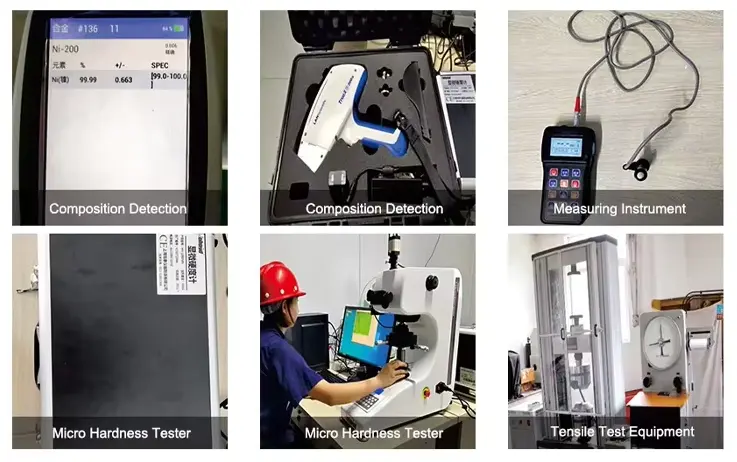
- Quality Systems: Suppliers of materials for medical devices must follow the right quality control systems according to rules. Certifications to ISO 9001, ISO 13485, or similar standards show that quality control is done in a planned way. To make sure that the specifications are met, ask for proof of the inspection methods for incoming materials, tracking during production, and final verification testing.
- Technical Support: Knowing a lot about materials science is very helpful when making a gadget. When suppliers offer advice on heat treatment settings, forming methods, and property optimization, it speeds up the development process and cuts down on the cost of trying things out and seeing what works and what doesn't. Throughout the lifecycle of your project, our skilled customer service staff and technicians are always ready to answer any technical questions you may have.
- Supply Chain Stability: To keep the qualities of materials the same from one production lot to the next, you need stable sources for raw materials and controlled processes. Check with your suppliers to see how much product they can keep on hand to meet your demand trends. We keep our supply lines for raw materials stable and strategically place our inventory so that we can meet both regular orders and urgent needs.
Procurement Strategy Development
Cost efficiency, risk management, and supply guarantee must all be balanced for sourcing to work well. There are a few methods that could work, based on how mature the program is and how much work needs to be done.
During the development process, buying things usually means looking at a wider range of specifications for smaller amounts. We can take orders as low as 1 kg or 500 meters, so you can use our flexible minimum order amounts to support testing without having to buy too much inventory. Before committing to bigger amounts, sampling programs let you look at the qualities of the item and the quality of the supplier.
Setting up framework deals ensures stable prices and enough capacity as projects move toward production. Volume agreements usually get you better prices and make sure that suppliers can allocate their capacity. Lead time deals should include both normal and fast delivery choices so that they can adapt to changes in demand.
Custom production agreements for industrial nitinol wire give you the most control over the specifications and the safety of the supply. By working together to come up with new change temperatures, limits for dimensions, or surface treatments, we can make materials that are better for certain uses. These connections set you apart from competitors by letting you get customized material performance that you can't get from normal sources.
Ensuring Traceability and Compliance
Complete tracking is required by regulations, from the raw materials to the finished gadgets. The steps used to buy materials must record and keep records that support these needs.
All packages of materials should come with a heat lot certification that lists the materials' chemical makeup, mechanical properties, transformation temperatures, and the results of a dimension check. This knowledge lets us connect the features of a material to how well a device works during production and after it's been sold.
Supplier audit programs find ways to make things better and make sure that quality processes work the way they're supposed to. Audits done on a regular basis keep an eye on how suppliers work and make working together stronger. Our factory is happy for customers to do audits, and we keep clear records of the production methods and quality checks.
Packaging and labeling should make it easier to find things while they are being stored or made. Our standard vacuum-sealed package has clear labels that show the material grade, diameter, length, batch number, and any relevant standards. This makes it easier to keep track of inventory and make sure it can be tracked.
Global Delivery and Logistics
When you source from other countries, you need to think about shipping methods, lead times, and how to handle taxes. We give customers a choice of transport methods, such as air freight, ocean shipping, and express courier services, so they can find the best balance between price and speed.
Clearing customs is easy if you have the right paperwork, like business bills, packing lists, certificates of origin, and material certifications. Our skilled transportation team handles all of these needs, keeping delays and extra costs to a minimum.
International supply chain wait times should be taken into account in inventory management strategies, and too much working capital should not be tied to raw materials. Instead of making big purchases all at once, you can use consignment inventory deals or planned delivery releases, which can help your cash flow and keep materials available.
Conclusion
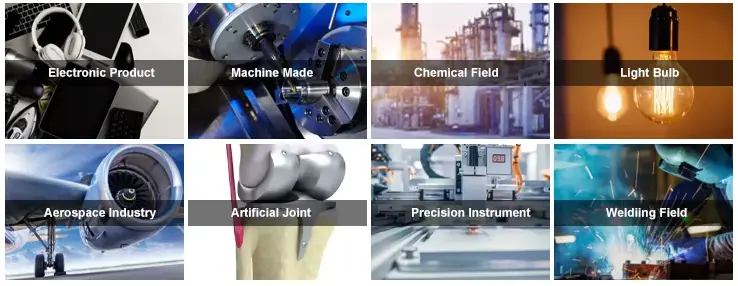
The unique properties of industrial nitinol wire nickel-titanium alloy wire make it a game-changer for making medical devices. Its superelasticity, shape memory effects, biocompatibility, and better mechanical performance over standard materials make it stand out. These qualities allow new minimally invasive devices to be made, improve patient results by making devices more useful, and increase the service life of devices. To have a successful implementation, you need to know the basics of the materials, figure out how to process them most efficiently, and build relationships with suppliers who can give customization, quality systems, and expert support. Medical device makers can fully use Nitinol's benefits while effectively controlling program risks when they use strategic procurement methods that balance specification requirements, supply chain reliability, and regulatory compliance.
FAQ
What distinguishes industrial-grade from medical-grade nitinol wire?
Nickel-titanium alloy wire made to standards like ASTM F2063, which is industrial-grade, has a basic makeup and mechanical properties that are good for most uses. Material that is medical-grade goes through stricter testing procedures to make sure it is biocompatible, has the right amount of inclusions, and has a good surface. It also has to meet higher purity standards. Both types use the same basic alloy makeup, but for medical uses, suppliers must have quality systems that meet ISO 13485 standards and provide detailed paperwork about the materials they use to support regulatory submissions. For early development, many companies that make medical devices use industrial-grade wire. During design testing and production scaling, they switch to medical-grade standards.
How do I specify the appropriate transformation temperature for my application?
When form memory activation is done is based on the Af (austenite finish) temperature. For superelastic uses at body temperature, the Af temperature needs to be below 25°C to make sure the material stays fully austenitic while it is being used. Shape memory devices that are meant to be used at body temperature have Af points that are between 28°C and 35°C. Higher Af temperatures are used for uses that need to be heated from the outside to activate. Our flexible temperature range, from 0°C to 100°C, meets a wide range of needs. As required by ASTM F2004, differential scanning calorimetry (DSC) testing checks the change temperatures to make sure the material works as it should. Talking to your supplier's expert team while making the specifications will help you avoid expensive mistakes when the qualities of the material don't match the needs of the application.
What minimum order quantities should I expect when sourcing nitinol wire?
The minimum order size depends on the seller and the difficulty of the specification. Standard catalog items usually have smaller minimums—for example, our standard is 1 kg or 500 meters, based on the diameter—which makes them good for testing and small-batch production. Due to setup costs and production runs, custom specs that need different transformation temperatures, non-standard diameters, or specialized surface processes may have higher minimums. Talking to possible suppliers about your volume forecasts and timeline during qualification helps you find deals that are good for both sides. Flexible providers can work with development programs that start with smaller orders and raise the minimum amounts as the programs get closer to full production.
Partner with HANZ for Premium Nickel-Titanium Alloy Wire Supply
Selecting the right industrial nitinol wire provider has a direct effect on how well your medical gadget is developed and how efficiently it is made. Baoji Hanz Metal Material Co., Ltd. has seven years of experience working with Nitinol shape memory alloy, superelastic Nitinol alloy, and nickel-titanium alloy materials. They help producers around the world with stable quality and quick service. Our wide range of specifications, including sizes from 0.05 mm to 4.0 mm, transformation temperatures that can be changed, and multiple surface finishes, lets us meet the needs of a wide range of applications, from testing to mass production. We keep our ISO 9001, SGS, and TUV certifications, which show that we are dedicated to quality systems that meet foreign standards. Direct production saves money and makes sure that materials can be tracked and safety paperwork is kept. Our technical team is ready to help you with your project, whether you need standard specs that can be delivered quickly from stock or solutions that are specially designed to meet your individual performance needs. Contact us at baojihanz-niti@hanztech.cn to discuss your Nitinol wire requirements with an experienced industrial nitinol wire manufacturer committed to your success.
References
Duerig, T., Pelton, A., and Stöckel, D. (1999). An Overview of Nitinol Medical Applications. Materials Science and Engineering: A, 273-275, 149-160.
Morgan, N. B. (2004). Medical Shape Memory Alloy Applications—The Market and Its Products. Materials Science and Engineering: A, 378(1-2), 16-23.
Shabalovskaya, S. A. (2002). Surface, Corrosion and Biocompatibility Aspects of Nitinol as an Implant Material. Bio-Medical Materials and Engineering, 12(1), 69-109.
Pelton, A. R., Schroeder, V., Mitchell, M. R., Gong, X. Y., Barney, M., and Robertson, S. W. (2008). Fatigue and Durability of Nitinol Stents. Journal of the Mechanical Behavior of Biomedical Materials, 1(2), 153-164.
ASTM International. (2018). ASTM F2063-18: Standard Specification for Wrought Nickel-Titanium Shape Memory Alloys for Medical Devices and Surgical Implants. West Conshohocken, PA: ASTM International.
Machado, L. G., and Savi, M. A. (2003). Medical Applications of Shape Memory Alloys. Brazilian Journal of Medical and Biological Research, 36(6), 683-691.