What Is Black Surface Nitinol Wire and Why Is It Used in Medical Devices?
2026-06-30 19:07:55
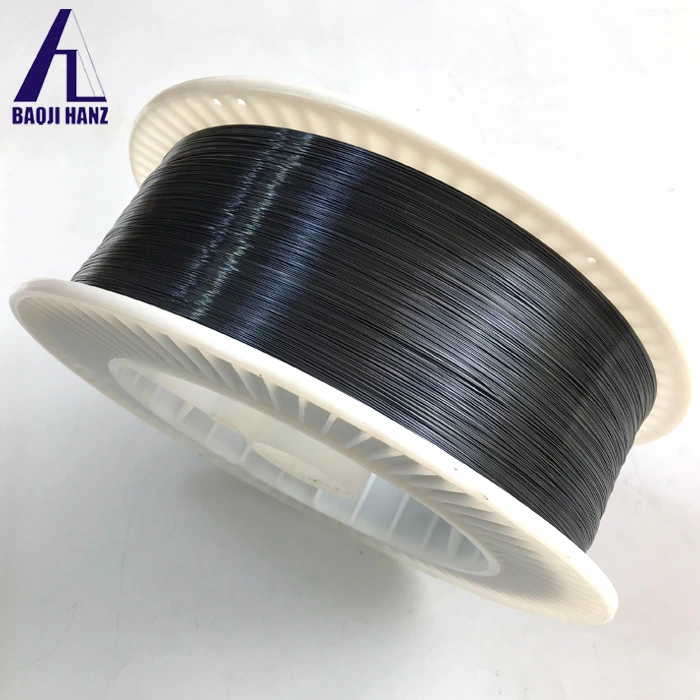
A nickel-titanium shape memory metal wire that has been treated with controlled surface oxidation to make a black oxide layer. This is called black surface nitinol wire. This special finish on the wire's surface improves its resistance to oxidation, wear, and biocompatibility while keeping its natural superelastic and shape-memory properties. Following the rules set by ASTM F2063, this type of wire is commonly used for making medical devices, precise instruments, and tough industrial tasks that require consistent material durability and performance. The black oxide finish gives the surface a matte, non-glare look that helps with high-precision assembly and visual inspection.
Understanding Black Surface Nitinol Wire
Nickel-titanium alloys, or nitinol, are a special type of useful material that is defined by two amazing features: the ability to remember its shape and being very flexible. Shape memory metals can return to their original shape after being deformed when they are exposed to a certain range of temperatures (Af). Meanwhile, superelastic types can bend like rubber when put under stress at body temperature. These actions happen because the austenite and martensite crystal structures in the metal matrix can change phases back and forth.
What Defines the Black Surface Finish?
The unique black color comes from a carefully controlled thermal oxidation process that is used after the wire is drawn and heated. During this process, the wire surface oxidizes in a controlled atmosphere at high temperatures, creating a solid oxide layer mostly made up of titanium dioxide and nickel oxide compounds. This layer is usually between 50 and 200 nanometers thick, which is just the right amount to protect the wire's surface without changing its mechanical properties or size limits. In contrast to cosmetic coatings, the black oxide layer sticks to and stabilizes the base metal for a long time.
Material Composition and Standards Compliance
High-quality black surface nitinol wire is made up of about 55–56% nickel and 44–45% titanium by weight, and the trace elements are kept in check to meet ASTM F2063 standards. As per this standard, wrought nickel-titanium shape memory alloys used in medical equipment and surgery implants must meet certain chemical makeup, mechanical property, and transformation temperature requirements. The material's density stays at 6.45 g/cm³, which makes it stronger for its weight compared to stainless steel options. The transformation temperatures (Af) can be changed very exactly during production to meet the needs of each application, whether the material needs to be superelastic at body temperatures or start to remember its shape at certain temperature levels.
Manufacturing Process and Quality Control
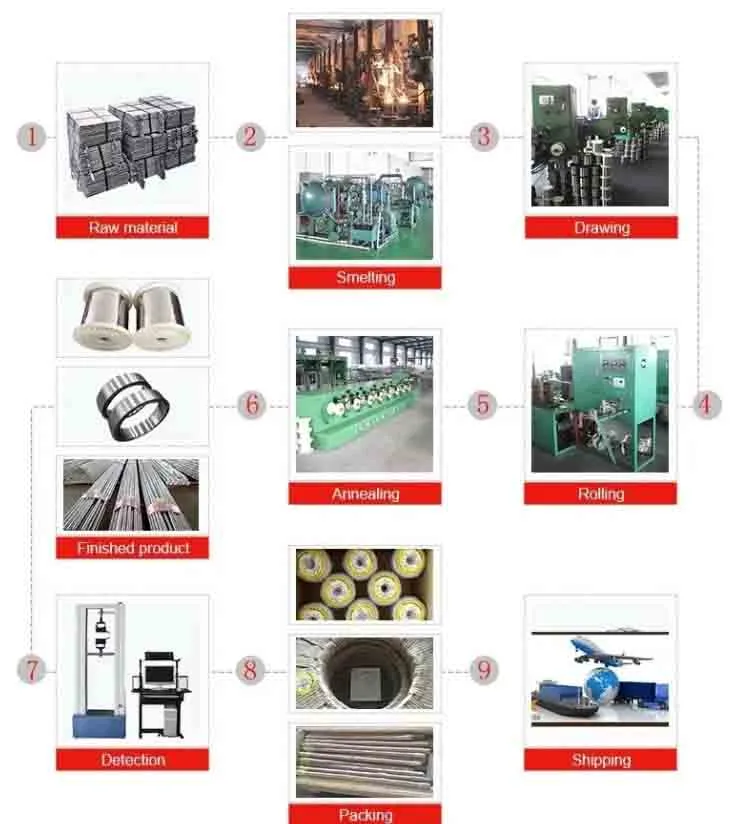
The production process starts with vacuum induction melting of high-purity nickel and titanium feedstock. This is followed by several remelting rounds to make sure the makeup is uniform and get rid of any impurities. The resulting ingot is hot worked and cold drawn through increasingly smaller dies, which reduces its diameter from several millimeters to finished sizes between 0.01 mm and 4.0 mm, with accuracy as high as ±0.001 mm. Intermediate annealing stops work hardening and keeps the flexibility of the metal between drawing steps.
The end transformation temperatures and mechanical properties are set by the heat treatment factors, which include temperature, time, and cooling rate. Then there is controlled oxidation, which makes the black finish on the surface under carefully watched air conditions. During production, quality checks are done in real time to make sure the diameter is the same, the surface is intact, the tensile strength is correct, and the shape changes properly. Each output lot goes through approval testing to make sure it meets ASTM F2063 and customer requirements.
Why Black Surface Nitinol Wire Is Preferred for Medical Device Manufacturing?
Biocompatibility, corrosion protection, and high mechanical performance are all things that the medical device industry needs. These needs are fully met by black surface nitinol wire, which is clearly better than raw nitinol, stainless steel, and other surface treatments.
Enhanced Corrosion Resistance in Physiological Environments
Medical devices often work in body fluids that are acidic and contain chloride ions, proteins, and different pH levels. The black oxide layer protects by stopping the release of nickel ions and limiting localized rusting. Electrochemical testing shows that oxidized nitinol surfaces have lower corrosion current densities than their mechanically polished counterparts. This means that the materials will be more stable over time and be less likely to break down during long implantation periods.
Superior Biocompatibility and Tissue Safety
According to ISO 10993 guidelines, biocompatibility assessment includes strict tests for cytotoxicity, sensitization, and implants. This black oxide nitinol wire always has great biocompatibility ratings. This is because the oxide layer protects surrounding tissues from direct nickel contact. This quality is especially useful for devices that touch tissue for a long time, like orthodontic archwires, guidewires, and retrieval baskets. Compared to bare metal surfaces, the steady oxide contact lowers inflammatory reactions and helps tissues integrate better.
Mechanical Integrity Under Cyclic Loading
Nitinol is very resistant to wear, which is good for medical tools that are bent, compressed, or torsionally stressed over and over again. Superelastic wire can handle strains of up to 8–10% and fully heal when the load is taken off. This is much more than what stainless steel can handle (0.5–1%). Black surface wire keeps its mechanical qualities after millions of loading cycles in tests that mimic physiological conditions. This makes devices like self-expanding stents, steerable catheters, and actuation mechanisms reliable.
Non-Glare Surface for Precision Manufacturing
The matte black finish makes it easier to see when putting things together and checking for quality. This optical feature makes it easier for automatic vision systems and human inspection to find surface flaws, differences in dimensions, and mistakes in assembly more accurately. This function is especially useful for micro-welding, crimping, and component alignment tasks in factories that work with fine wire sizes below 0.1 mm.
Material Performance Comparison
When tested against other materials, black oxide nitinol wire has a very good performance rating. Stainless steel has a higher tensile strength, but it is less flexible and stiffer than other metals. This makes it less useful for structures that need to bend in complicated ways. Gold-plated nitinol is very resistant to rust, but it costs more and is harder to work with. Nitinol that hasn't been treated on the outside can still rust and release more nickel. The black oxide version strikes a good mix between speed, ease of processing, and cost-effectiveness, making it a good choice for both mass production and custom device development.
Technical Insights and Performance Evaluation
Before you can choose a material, you need to know a lot about how the processing factors affect the finished wire's properties and how these properties match up with the performance needs of the device.
Heat Treatment and Transformation Temperature Control
Transformation temperatures of black surface nitinol wire have a direct effect on whether wire behaves in a superelastic or shape-memory way when it is in use. Heat treatment methods involve putting things in temperatures between 400°C and 550°C for minutes to hours, based on the properties that are wanted. In general, higher heating temperatures raise transformation temperatures, which moves the Af point up. Rates of cooling also matter; freezing quickly vs. slowly cooling creates different microstructures that change how the material responds mechanically.
The minimum Af temperature range must be made clear in the procurement requirements. For full superelastic behavior, medical devices that work at body temperature (37°C) usually need Af below 32°C. For shape memory uses, like devices that are heated from the outside, higher Af points that match activation temperature goals are needed. Customization features that let engineers finetune Af between 0°C and 100°C let them get the best material behavior for certain clinical situations.
Dimensional Tolerances and Mechanical Consistency
Tight control over the diameter makes sure that the mechanical behavior is reliable and that it works with device supports, crimping tools, and lumen measurements. Different levels of accuracy can be achieved with wire diameter limits that range from ±0.001 mm to ±0.02 mm. Smaller devices need tighter tolerances because even small changes in size can affect force-deflection curves and fitting tolerances. Consistency from batch to batch in diameter, tensile strength (usually 800–1200 MPa for superelastic wire), and elongation at break (10–15%) makes sure that the device works the same way throughout production runs.
Testing and Certification Requirements
There are several test methods that are needed to confirm the qualities of black surface nitinol wire. Differential scanning calorimetry (DSC) finds transformation temperatures by tracking changes in thermal energy that happen when phases change. The final tensile strength, yield strength, and elongation properties are found through tensile tests. When something is put through thousands or millions of strain cycles, it loses some of its performance. This is measured by cyclic loading wear tests. Testing for corrosion protection with electrochemical impedance spectroscopy and salt spray exposure shows that the surface is stable.
Certifications like ISO 9001 for quality management, ISO 13485 for medical device manufacturing, and compliance paperwork for FDA reports guarantee that the products are made correctly and can be tracked. Regulatory approval processes are more likely to be reliable when they are checked by a third party, like SGS, TUV, or a similar certification body.
Procurement Guide for Black Surface Nitinol Wire
To make sure production doesn't stop and quality standards are met, effective sourcing of black surface nitinol wire combines material requirements, supplier skills, cost factors, and the processes of the supply chain.
Evaluating Supplier Capabilities and Certifications
The first step in evaluating a supplier is to check their production infrastructure. Modern melting ovens, precise drawing tools, controlled atmosphere heat treatment systems, and inline metrology tools all show that the production process is very advanced. Suppliers who keep separate production lines for medical products clean and free of contaminants reduce the chance of contamination and make sure that each batch is the same.
Certification files for black surface nitinol wire should have proof of compliance with ISO 9001, ISO 13485, and ASTM F2063. Suppliers who have worked with medical device supply chains before know what kinds of paperwork are needed, like material certificates, test results, and records that show how finished wire is linked to lots of raw materials. Responding to technical questions and being ready to send samples for validation testing are two more ways that capable partners can be told apart from commodity providers.
Minimum Order Quantities and Lead Times
Minimum order amounts depend on the wire specs and the provider. For sampling reasons, standard diameter wires often have lower MOQs, sometimes as low as 5 pieces. This makes the prototype development and design validation steps easier. If you need custom specs like non-standard diameters, different transformation temperatures, or special surface processes, you may need to order more in order to cover the costs of making the tools and setting them up.
Lead times depend on how simple the customization is and how readily available the materials are. Items in stock are sent out within days, but special orders need 4 to 8 weeks to be made and tested. Getting to know providers who offer inventory programs or consignment arrangements can help you deal with unpredictable lead times and make just-in-time manufacturing strategies work better.
Customization Options and OEM Services
To make a device stand out, the material details often need to be customized beyond what is available in a catalog. Customization services include changing the diameter and tolerances, setting the transformation temperature, offering different wire forms (such as flat wire, square wire, and profiled geometries), and changing the surface finish (such as bright shine, chemical etch, and electro-polished). Suppliers who offer OEM services help with all stages of development, such as optimizing materials, making prototypes, mass production, and unique packing.
Working together closely during the design phase lets providers suggest material grades, processing routes, and dimensional tolerances that are in line with performance goals for the product and issues related to making it. This partnership-based method shortens the time it takes to create new medical devices and get them on the market faster.
Pricing Considerations and Value Assessment
Wire price is based on the cost of raw materials, the difficulty of making the product, the level of personalization, and the number of orders. Cost per meter is still an important factor, but quality consistency, expert help, regulatory paperwork, and supply reliability are also part of the total value estimate. Lower-priced materials that don't have regular qualities or the right certifications could make it more expensive to use later on because of higher scrap rates, delays in regulations, or problems in the field.
Framework agreements with tiered prices based on yearly volumes and long-term promises are good for both buyers and suppliers because they help buyers predict costs and suppliers see how much they are producing.
Packaging, Shipping, and Handling
When wires are shipped or stored, they stay intact as long as they are properly packaged. Vacuum-sealed bags keep rust and contamination at bay, and spools made of wood or plastic keep the shape of the wire and keep it from getting tangled. Labels with clear information, like the material grade, diameter, length, lot number, and safety standards, make it easier to keep track of supplies and find things.
There are different ways to ship black surface nitinol wire, such as by air freight for urgent orders, by sea freight for large amounts, or by fast courier service for samples and small amounts. The packaging has to be able to handle the rough handling and harsh weather conditions that come up during international logistics. It has to protect the wire from damage caused by handling, moisture, and changes in temperature.
Leading Manufacturers and Black Surface Nitinol Wire Suppliers
Global supplier areas include companies from North America, Europe, and Asia. Each has its own strengths when it comes to creativity, production scale, and market focus for black surface nitinol wire.

Supplier Selection Criteria
There are a lot of factors to consider when looking for a dependable black surface nitinol wire maker. The ability to go from making a few prototypes to making a lot of them depends on the production capacity. Publications, patents, and customer case studies that show technical skill show how well the metal is known and how well the process is controlled. Quality systems, like audit results, certification status, and customer feedback, show how well operations are run and how many defects there are.
Logistics prices, lead times, and how easy it is to communicate are all affected by where something is located. Being close to factories that make devices cuts down on shipping costs and travel time, and being in the same time zone makes it easier to work together in real time during the creation process. But sellers far away who offer better technical skills, low prices, or one-of-a-kind customization services may be worth the extra work.
Building Strategic Partnerships
Long-term relationships with suppliers are good for both parties in more ways than just the transactions. Agreements with preferred suppliers often include set amounts of capacity, priority scheduling, and joint research and development projects. Volume agreements help producers plan their income, which lets them make investments in new equipment and better processes. Buyers get a stable supply, stable prices, and faster access to expert tools.
Joint development projects that look into new metal compositions, surface treatments, or processing methods speed up innovation and set companies apart from their competitors. Suppliers who care about their customers' success can help with choosing materials, making designs better, and coming up with legal strategies.
Baoji Hanz Metal Material Co., Ltd.—A Trusted Industry Partner
Baoji Hanz Metal Material Co., Ltd. has built a reputation over seven years of specializing in nickel-titanium shape memory alloys, superelastic nitinol materials, and other unique nickel-titanium goods. Our all-in-one production plant can do vacuum induction melting, precise wire drawing, controlled atmosphere heat treatment, and advanced surface treatment. This means that we can provide full material solutions from raw ingots to finished parts.
We provide high-performance materials that meet the strictest quality and consistency standards to medical device makers, aircraft companies, precision instrument makers, and industry original equipment manufacturers (OEMs) all over the world. Our dedication to customer satisfaction goes beyond just providing materials. It also includes expert advice, sample creation, and quick help after the sale throughout the lifecycle of a product.
Our quality control systems are certified by ISO 9001, SGS, and TUV, which shows that we are committed to operating excellence and constant growth. Customers going through FDA, CE Mark, and other approval paths can be sure of full traceability and regulatory compliance thanks to production monitoring paperwork that is kept for five years.
Conclusion
Black surface nitinol wire is an important material choice for medical device engineers and procurement workers who want to find the best mix of biocompatibility, mechanical performance, and resistance to rust. The controlled oxidation process that creates the black oxide layer makes the surface stronger and better at sticking to tissues without affecting the superelastic and shape-memory qualities that make nickel-titanium alloys so valuable.
To successfully source materials, you need to carefully consider what each provider can do, pay close attention to the needs for customization, and build smart partnerships. By knowing the transformation temperature limits, dimensional tolerances, and approval standards, you can make smart choices that are in line with legal requirements and gadget performance goals. As the development of medical devices continues, it is still very important to have steady access to high-quality, precisely designed nitinol wire materials in order to make new technologies go from idea to clinical use.
FAQ
What diameter range is available for black oxide nitinol wire?
We offer black surface nitinol wire with diameters ranging from 0.01 mm to 4.0 mm. This range of sizes covers ultra-fine medical guidewire uses with strong actuator parts. With custom diameter limits ranging from ±0.001 mm to ±0.02 mm, you can be sure that the black surface nitinol wire will fit perfectly in your device.
Can transformation temperatures be customized?
You can change the transformation values (Af) to any temperature between 0°C and 100°C. You tell us what temperature range you need, like body temperature for superelastic medical devices or high temperatures for shape memory actuators, and we'll make heat treatment methods that work with that range.
What is the smallest amount that can be ordered for unique specifications?
Standard sizes and specs start at 5 pieces, which makes them useful for making prototypes and testing small batches. Custom orders with different sizes, temperatures of change, or surface finishes may need higher MOQs because of the need for more tools and setup time. Get in touch with our expert team to talk about your needs.
How does the black oxide layer affect biocompatibility?
The black oxide surface improves biocompatibility by stopping the release of nickel ions and making the contact stable with living tissues. This surface treatment is medical-grade and supports ISO 10993 biocompatibility testing for devices that are implantable or that come into touch with flesh.
Partnering with HANZ for Your Black Surface Nitinol Wire Supply
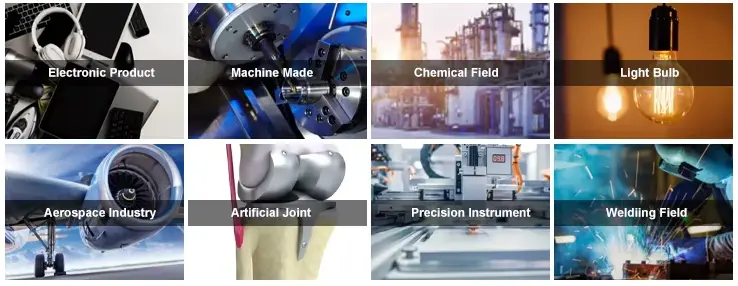
Baoji Hanz Metal Material Co., Ltd. has a wide range of nickel-titanium metal options that are perfect for tough industrial and medical uses. Our black surface nitinol wire, which is made to ASTM F2063 standards and comes in sizes from 0.01 mm to 4.0 mm and transformation temperatures that can be changed, works well for guidewires, stents, actuators, and precision instruments. We can help you develop your product from the prototype stage all the way through mass production. Our diameter limits are very tight (±0.001 mm to ±0.02 mm), and we can make them in a variety of sizes (round, flat, square, and more). You can talk to us about your needs at baojihanz-niti@hanztech.cn and find out why top makers choose HANZ as their source for quality, dependability, and technical know-how in black surface nitinol wire.
References
Duerig, T., Pelton, A., & Stöckel, D. (1999). An Overview of Nitinol Medical Applications. Materials Science and Engineering: A, 273-275, 149-160.
Morgan, N. B. (2004). Medical Shape Memory Alloy Applications—The Market and Its Products. Materials Science and Engineering: A, 378(1-2), 16-23.
Shabalovskaya, S. A., Anderegg, J., & Van Humbeeck, J. (2008). Critical Overview of Nitinol Surfaces and Their Modifications for Medical Applications. Acta Biomaterialia, 4(3), 447-467.
ASTM International. (2012). ASTM F2063-12: Standard Specification for Wrought Nickel-Titanium Shape Memory Alloys for Medical Devices and Surgical Implants. West Conshohocken, PA: ASTM International.
Pelton, A. R., Schroeder, V., Mitchell, M. R., Gong, X. Y., Barney, M., & Robertson, S. W. (2008). Fatigue and Durability of Nitinol Stents. Journal of the Mechanical Behavior of Biomedical Materials, 1(2), 153-164.
Thierry, B., Tabrizian, M., Trepanier, C., Savadogo, O., & Yahia, L. H. (2000). Effect of Surface Treatment and Sterilization Processes on the Corrosion Behavior of NiTi Shape Memory Alloy. Journal of Biomedical Materials Research, 51(4), 685-693.