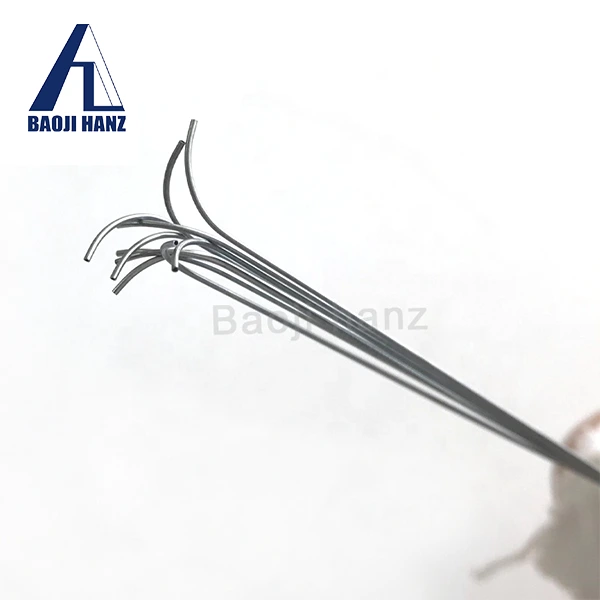
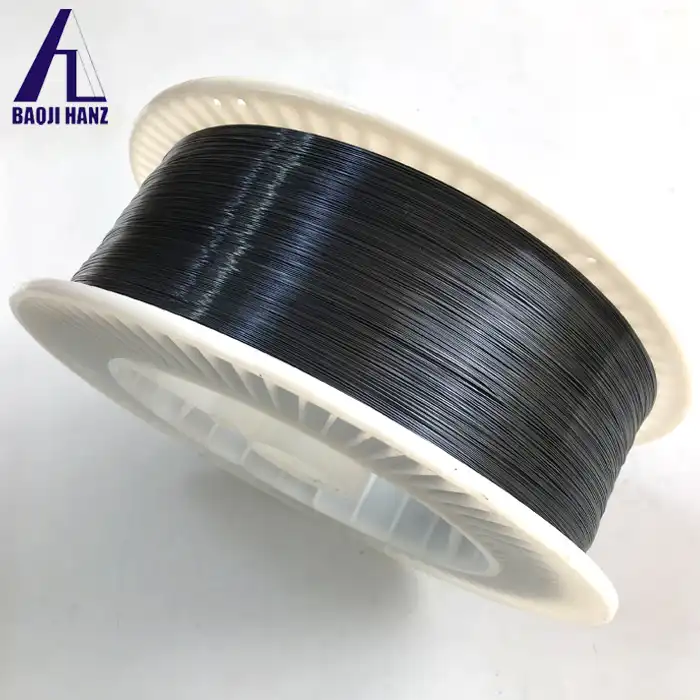
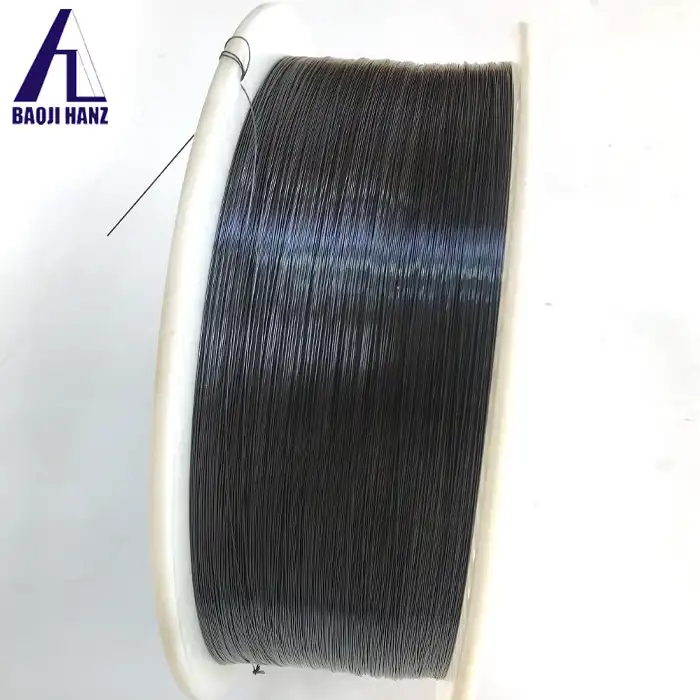
Nitinol Shape Memory Alloy Wire


Grade:Niti
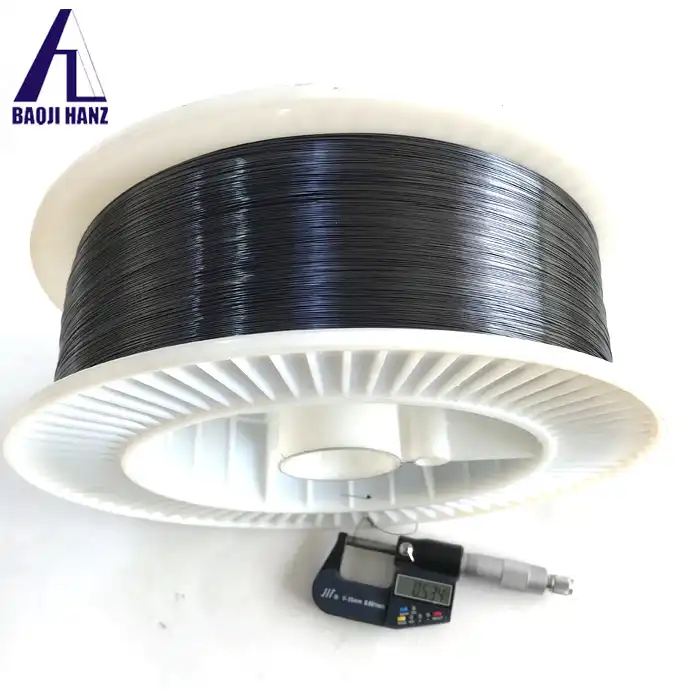
Diameter:0.025min
Diameter Tolerance:±0.01mm
Surface:Black Oxidized, Lightly Oxidized, Bright, Ultra Br
Standard:ASTM F2063,GB 24627
Technique:Cold Rolled
Specification:Shape Memory
MOQ:1kg or 500meters
Transport Package:Export safety cartons and wooden cases
HS Code:7505220000
Application:
Nitinol Shape Memory Alloy Wire for Medical & Industrial Use - High Precision, Fully Customizable Solutions
Baoji Hanz Metal Material Co., Ltd. produces this Nitinol Shape Memory Alloy Wire. The alloy is nickel-titanium. Nickel accounts for 54.5 to 57.0 wt%. Titanium makes up the rest. Two standards guide production: GB 24627-2009 and ASTM F2063-18. Drawn sizes run from Φ0.025 mm up to Φ4 mm. On diameter, tolerance holds as tight as ±0.002 mm. Tensile strength reaches 1300 MPa or higher. Elongation comes in at 10% or more. Platform stress is 480 MPa minimum. Each heat gets the same checks. A prototype run in your process behaves just like a full production order.
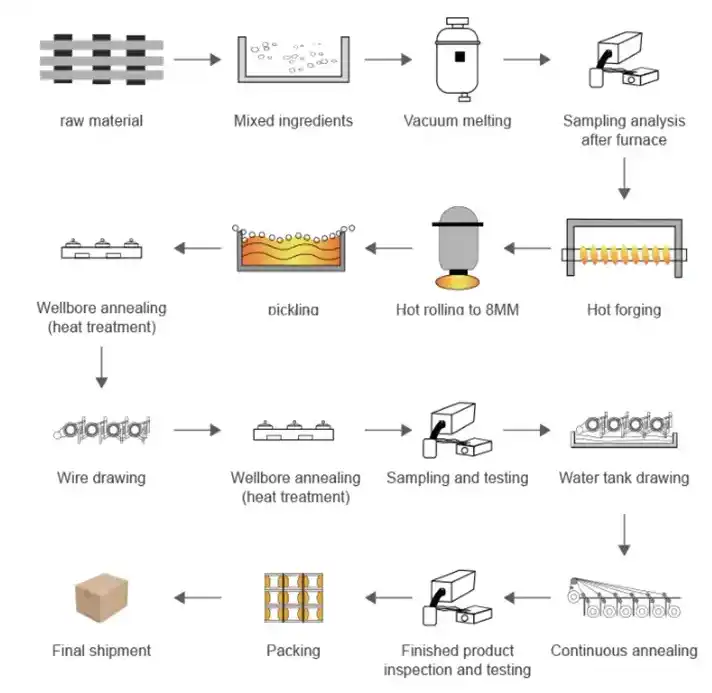
How This Wire Is Made
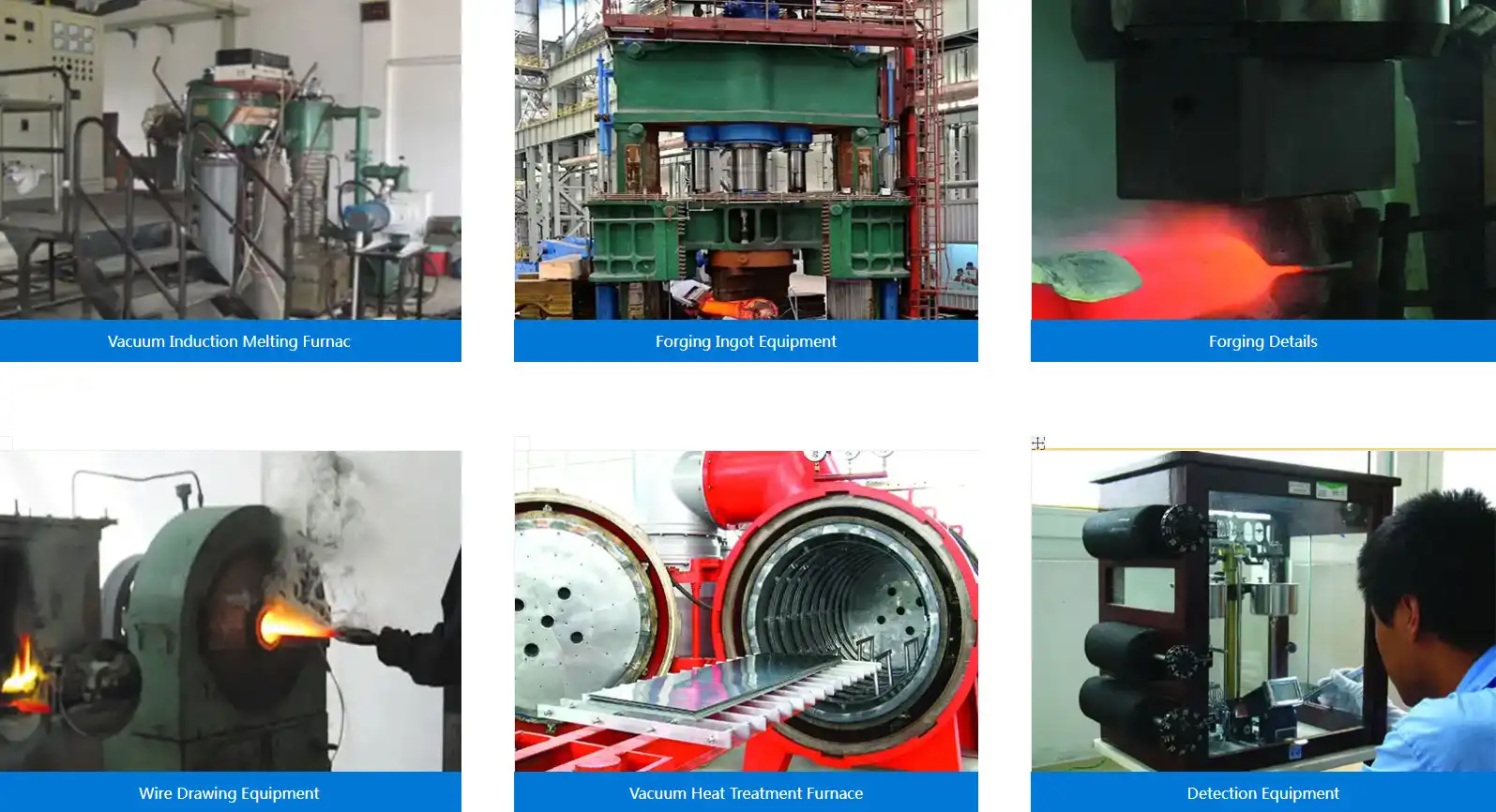
All melting takes place in one plant. Cold drawing runs under the same roof. Final heat treatment does too. Because those three steps sit in one place, transformation temperatures and mechanical properties repeat from batch to batch. They hold steady. Change suppliers and they can drift. On some micro-scale parts, a few microns decide whether an assembly fits. The cold-worked route hands those jobs the dimensional accuracy they need. Bend the wire, coil it. The accuracy holds.
Key characteristics:
- Superelasticity and shape memory effect: bend the wire through cycle after cycle and it still returns to its original shape. The NiTi phase transformation drives that. Plain elasticity does not
- Tight dimensional accuracy: whatever the diameter, tolerance holds between ±0.002 mm and ±0.02 mm
- Tensile strength ≥ 1300 MPa. Elongation stays at 10% or more. Platform stress hits ≥ 480 MPa as well
- Fatigue and corrosion resistance: medical-grade wire is produced to ASTM F2063-18 for interventional and implantable device use
- Adjustable Af transformation temperature: the setting can go anywhere between -10°C and +80°C. We match it to your process window. DSC confirms the value before the material ships
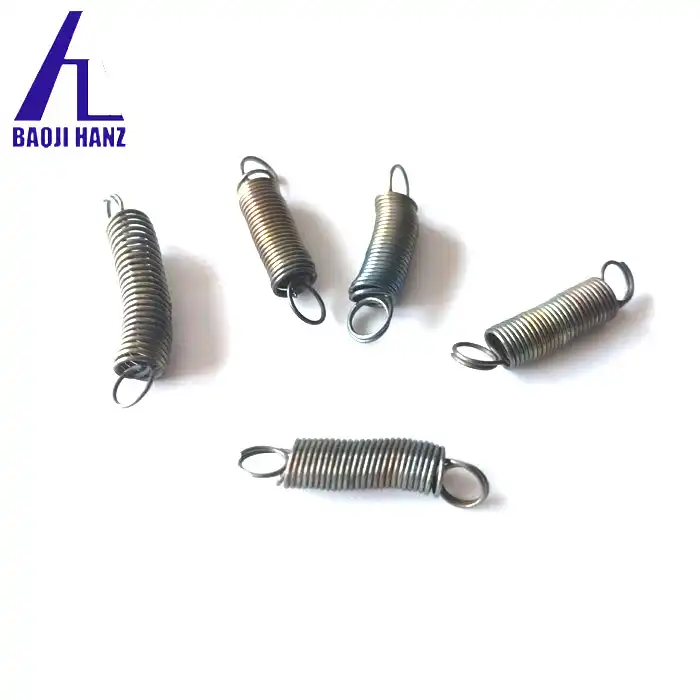
- Workable geometry: the wire bends, coils into springs, and weaves into mesh structures without trouble
Technical Specifications
| Material Grade | niti alloy |
| Wire Shape | Wire Shape |
| Diameter Range(mm) | 0.01mm min |
| Diameter Tolerance | ±0.01mm |
| Standards | ASTM F2063 |
| Transformation Temperature | -50°C to 100°C |
| Surface Finish | Black surface |
| MOQ | 1kg or 500meters |
| Transport Package | Export safety packaging |
| Feture | Shape memory effect Super elasticity (pseudo-elasticity) Corrosion resistance Biocompatibility Temperature sensitivity The mechanical properties are stable |
|
NiTi Alloy Code |
A |
B |
S |
C |
D |
E |
J |
K |
L |
|
Austenite Finish Temperature (Af) After Heat Treatment, °C |
70+/-10 |
30+/-10 |
25+/-5 |
17+/-7 |
10+/-10 |
5+/-10 |
-30+/-10 |
30+/-10 |
-20+1-10 |
|
Mechanical Properties: ASTM F2063 |
|||||
|
NiTi Alloy Code |
Straightened Superelastic Condition (SE) |
||||
|
Tensile Strengthσ,Mpa |
Elongationδ,% |
Upper Plateau Stress σ, MPa |
Residual Strain, % |
Active Af Temperature, ℃ |
|
|
D |
≥1300 |
≥10 |
≥480 |
<0.5 |
10±7 |
|
C |
≥1150 |
≥10 |
≥440 |
<0.5 |
17±7 |
|
S |
≥1000 |
≥10 |
≥400 |
<0.5 |
25±5 |
Application Scenarios
Medical Applications
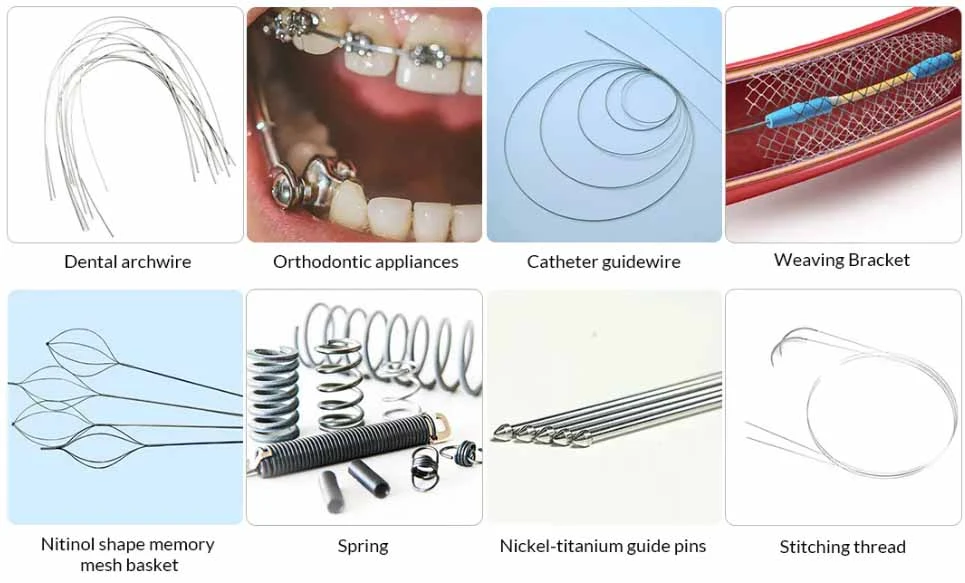
Guide wires, interventional catheters, vascular stents, orthodontic arch wires, dental root canal files and surgical suture threads all rely on the same two properties. Superelasticity is one of them. Bend the wire over and over and it still returns to its original shape. The other is compliance with ASTM F2063-18 for medical use. Each of those devices makes the wire take many load cycles. A permanent set is not allowed. Fatigue testing sits in our batch reports to prove that point.
Industrial Applications
You can set the Af temperature to suit your process window. The wire then acts as a thermally actuated element. Switching a valve? It can do that. Tripping a micro-spring works too. A latch can let go at a set temperature instead of a set force. Eyeglass frames rely on the same trick. So do mobile phone antennas. Woven mesh parts count on it as well. Under repeated loading the geometry holds up. Forming the material stays easy. Dimensional stability does not change either.
Quality Control and Documentation
We inspect each batch of Nitinol Shape Memory Alloy Wire. What gets checked:
- Chemical composition verification: the Ni/Ti ratio was checked and falls within spec
- Mechanical property testing: tensile strength gets tested, along with elongation and platform stress
- DSC phase-transformation testing: Af value verified against your specified target
A test report ships out with every batch. Want one? Just ask and a copy is yours. The chemical composition is in there. Mechanical properties sit in it as well: tensile strength, elongation and platform stress. The DSC phase-transformation temperature gets listed too. That number is what stands behind the Af value you asked about. Put those papers on the desk and incoming inspection becomes a check against a number. Guesswork is gone. Traceability plus the regulatory paperwork your quality team needs? It is already in there.

Customization Options
Adjust the settings below to suit your application. It pays off.
- Diameter: Φ0.025 mm to Φ4 mm, including ultra-fine filament sizes
- Af transformation temperature: specify your target; confirmed by DSC before shipment
- Surface finish: pickled, bright polished, ground, black oxidized, lightly oxidized, or ultra bright
- Delivery condition: cold-worked or shape-set annealed
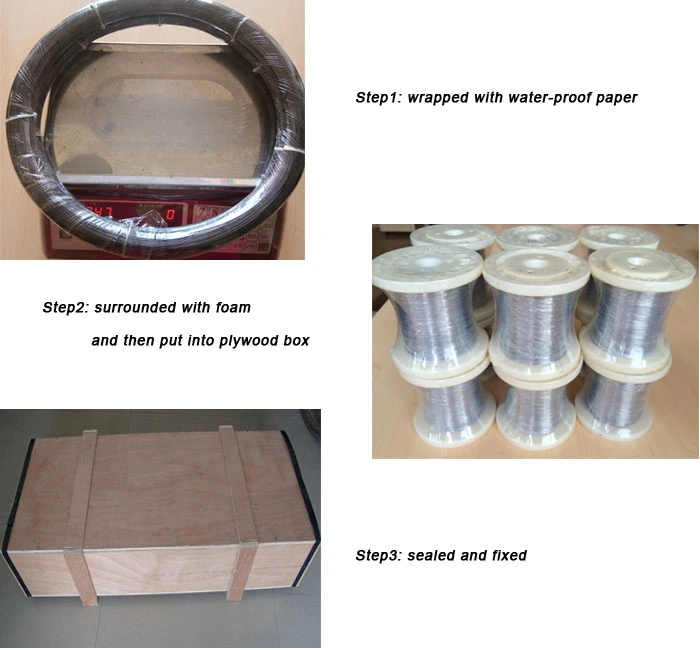
- Packaging: coils wrapped in moisture-proof paper, packed in export cartons or wooden cases
Wire made to ASTM F2063-18 is available for medical use. Industrial-grade wire is an option too. Orders start at 1 kg. On standard wire that comes to roughly 500 metres, or about 200 metres if you need ultra-fine filaments. Prototype runs follow the same route as full production runs. Your first order, then, won't tie you to a big commitment while the design is still being settled.
About Baoji Hanz Metal Material Co., Ltd. for Nitinol Shape Memory Alloy Wire
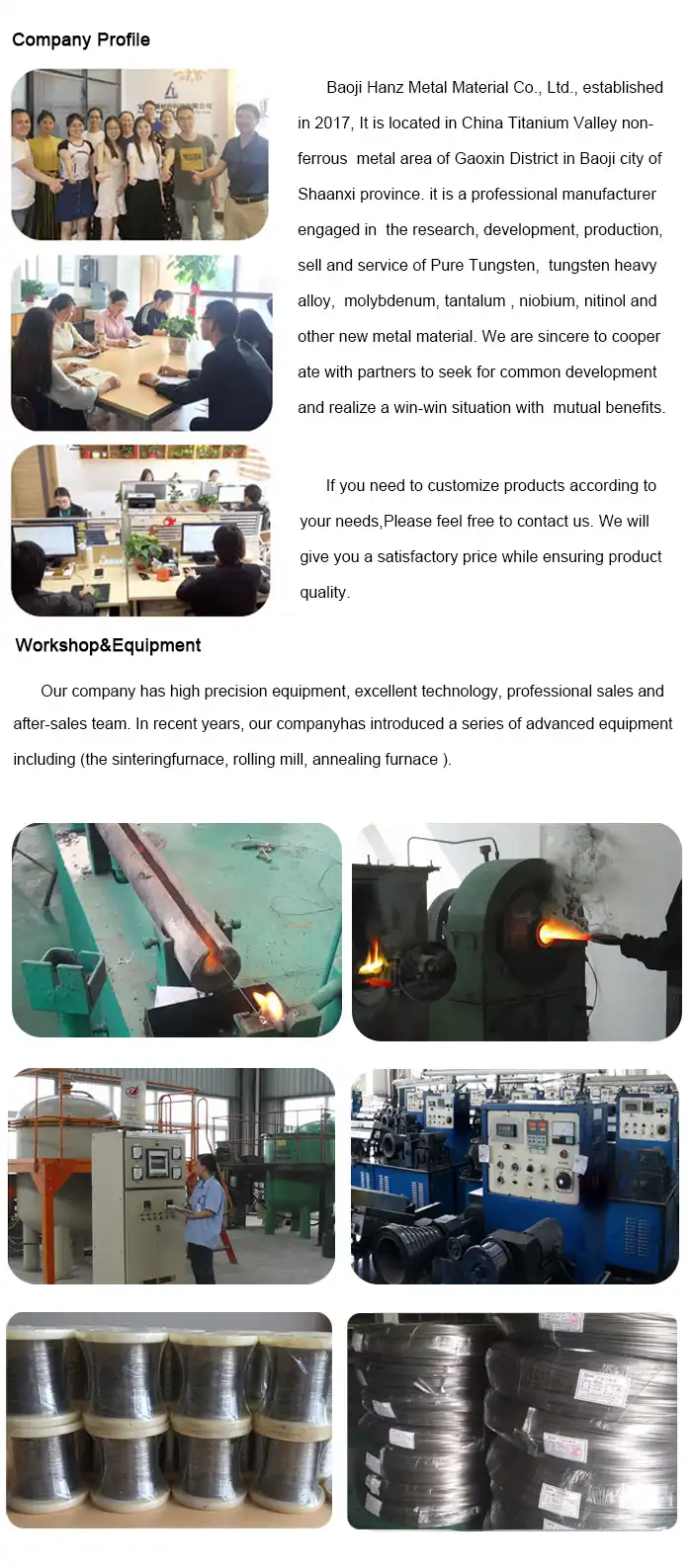
Nickel-titanium work has been Baoji Hanz's focus since 2017. The company runs out of the Baoji Titanium Valley Nonferrous Metals Base in Shaanxi, China. Melting, drawing, and heat treatment all happen under one roof. Thanks to that setup, spec questions about Nitinol Shape Memory Alloy Wire get answered on the spot instead of being pushed down a supply chain.
What this means for buyers:
- It meets GB 24627-2009 and ASTM F2063-18 at the same time. Domestic orders and export orders are both covered
- Need mechanical and DSC test reports for each batch? Ask us.
- You choose the diameter. Af temperature, surface finish, and delivery condition are yours to set too.
- We offer both the medical-grade and the industrial-grade version. MOQ is flexible


Frequently Asked Questions
Q: What is the minimum order quantity?
A: Standard wire starts at 1 kg. That works out to about 500 metres. Ultra-fine filaments begin at 200 metres, which is the smallest amount we ship. Research quantities get a quote case by case.
Q: Can the Af transformation temperature be customized?
A: Yes. The Af temperature can be set anywhere between -10°C and +80°C. Tell us the target you need when you place the order. A DSC test confirms it before the goods leave the plant.
Q: What surface finishes are available?
A: Pickled, bright polished, ground, black oxidized, lightly oxidized and ultra bright. Those are the finishes we offer. Which one fits your line? It comes down to the surface your downstream process expects. Tell us about the application and we can advise you on it.
Q: Is this wire suitable for medical implant applications?
A: This wire is made to ASTM F2063-18 for medical use. Guide wires are one common use. Stents are another, and so are orthodontic arch wires and root canal files. Your regulatory team has to file device documentation, and the batch records back it up.
Q: What paperwork comes with each batch?
A: Reports on chemical composition, mechanical properties, and DSC phase-transformation temperature can go out with any batch. That is what most quality systems want to see when a new material moves into approved status.
Q: What is the typical lead time?
A: From the day we confirm your order, count 20 to 30 working days. Custom specs run longer. Longer by how much? It depends on the complexity and the quantity. Nothing goes into production until that date reaches you in writing.
Contact Us
To request a quote or discuss specifications for Nitinol Shape Memory Alloy Wire, write to baojihanz-niti@hanztech.cn with the diameter, Af temperature and quantity you have in mind, and pricing.
YOU MAY LIKE
.webp "Astm F2063 Super Elastic Nitinol Flat Wire")
.webp "Astm F2063 Superelastic Nitinol Straight Wire")