_1794476772190.webp)
_1794476772217.webp)
_1794476772219.webp)
_1794476772221.webp)
_1794476772225.webp)
_1794476772226.webp)
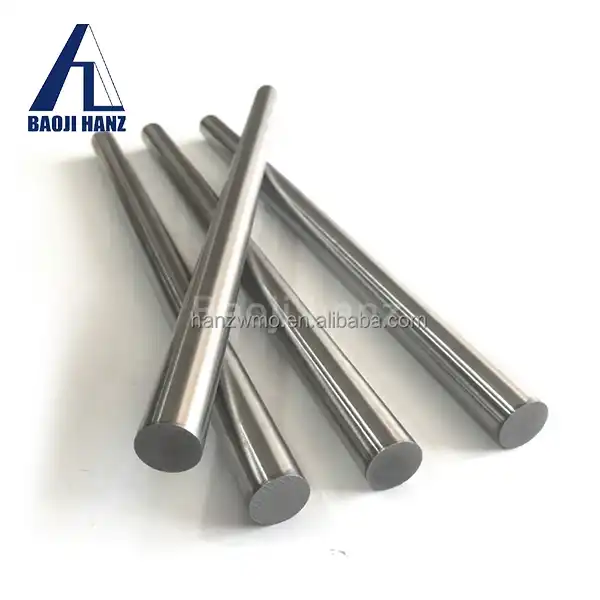
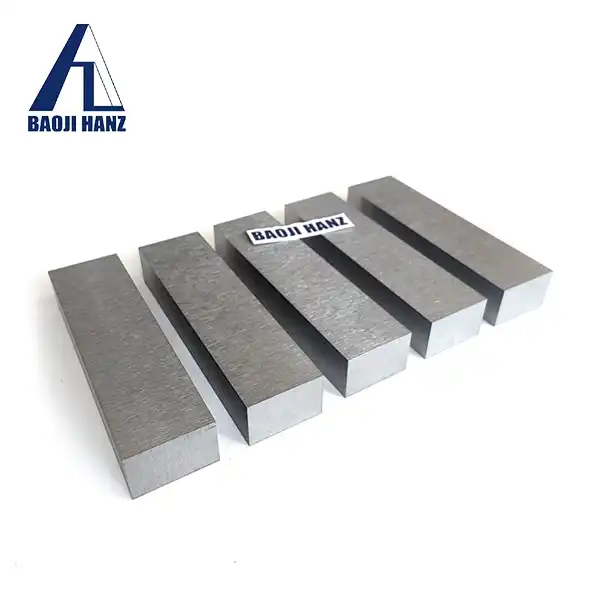
nickel titanium sheet


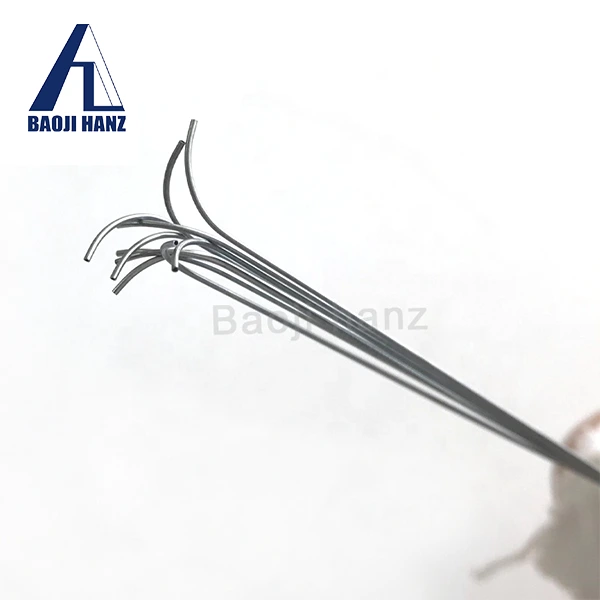
Material: nickel titanium alloy
Standard: ASTMF2063
MOQ:1pcs
Ti (Min):45%
Strength:850
Shape:plate
Application:Industry,Medical etc
Nickel Titanium Sheet for Medical & Industrial Use - Precision Nitinol Solutions from Baoji Hanz
Nickel titanium sheet is supplied by Baoji Hanz Metal Material Co., Ltd. ASTM F2063-18 and GB 24627-2009 are both met. Nickel content runs 54.5–57.0 wt%. Density comes in at 6.45 g/cm³. Sheets are made from 0.03 to 1 mm thick. Tensile strength for each sheet falls between 550 and 1900 MPa. Elongation is 10–20%. Dimension tolerance stays within ±0.003–±0.02 mm. The Af transformation temperature can be set anywhere from -20°C to 100°C. Orders start at 1 kg.
Why sheet Behaves Differently from Conventional Metal Sheet
Load most structural metals and they hold a permanent set. Bend a piece beyond its elastic limit, and that bend stays. Repeated stress cycles bring on fatigue. The result is weaker performance.
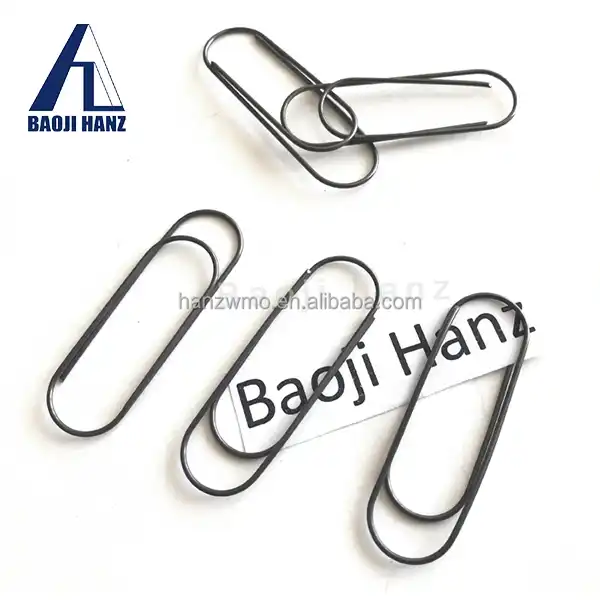
On the structural level, Nitinol, a nickel-titanium alloy, acts in a different way. Shape memory and superelasticity both show up in it. Even heavy deformation will not throw it out of shape. The metal goes back to the geometry it was set for. Heat past its transformation temperature makes that happen. Mechanical force does the same.
Stainless steel and copper have limits here. They often fail to hold shape recovery, or they wear down under repeated cycles. That gap is what makes this product the practical pick for such work.

Technical Specifications
| Specification | Details |
|---|---|
| Composition | Nickel: 55-56%; Titanium: balance |
| Sheet Thickness | 0.1mm - 3mm |
| Width | 100mm - 500mm |
| Length | Customizable, up to 2000mm |
| Surface Finish | Polished, Smooth, or Matte |
| Shape Memory Transition | Temperature: -20°C to 100°C |
| Tensile Strength | ≥ 900 MPa |
| Elongation | ≥ 10% |
Does your spec fall outside this range? Let us know what you need before ordering. We'll reply with an answer.
Key Characteristics
Shape Memory and Superelasticity
You can bend the alloy. Give it the right heat or mechanical conditions, and back it goes to the shape it was programmed with. Run it through repeated loading cycles and the same response appears again. Parts working in tight spaces matter here. Parts under constant stress matter too.
Ultra-Thin Precision
Thickness starts at 0.03 mm. On dimensions, tolerance holds to ±0.003 mm. That is tight. From one batch to the next, the geometry stays the same.
Fatigue and Corrosion Resistance
Under cyclic flex loading, the material keeps its structural integrity. It also resists corrosion in biological fluids. Common industrial environments are no problem either. Looking for specific performance data? We can send it once we know your application conditions.
Biocompatibility
ASTM F2063-18 is the standard our medical-grade sheet follows. Nitinol used in medical device work has to meet it. Two things the standard covers: chemical composition and mechanical requirements.
Phase Transformation Temperature You Can Adjust
Af temperature can be set anywhere from -20°C to 100°C. Tell us your target activation temperature when you send the inquiry. We then set up the alloy to match it.
Downstream Processing Compatibility
The sheet supports cutting and stamping operations for micro-component fabrication. Surface conditions - pickled, bright polished, or ground - can be selected to match your downstream process requirements.
Application Scenarios for nickel titanium sheet
Medical Device Components
Nickel titanium sheet shows up in interventional device parts. You also find it in micro-implant accessories and in spring elements for minimally invasive surgical tools. Superelastic behavior lets a part bend inside tight anatomical spaces. Original shape comes back every time, and it does so reliably. Medical-grade material is supplied to ASTM F2063-18.
Industrial Actuators and Sensors
Phase-change response is what makes this material useful for thermal-actuated parts, sensor springs, and microswitches. Choose a workable Af temperature and a nitinol sheet component will move in a repeatable way when the temperature shifts. No external drive mechanism is needed to get that movement.
Precision Microdevices
That gap gets closed by an ultra-thin form of the product. Flexible spring parts work with it, and so do thermally driven components. Plain sheet materials fall short on shape recovery and on fatigue performance. Thickness starts at 0.03 mm. Close tolerances make micro-scale fabrication possible.
Why Source from Baoji Hanz
Integrated Manufacturing Process
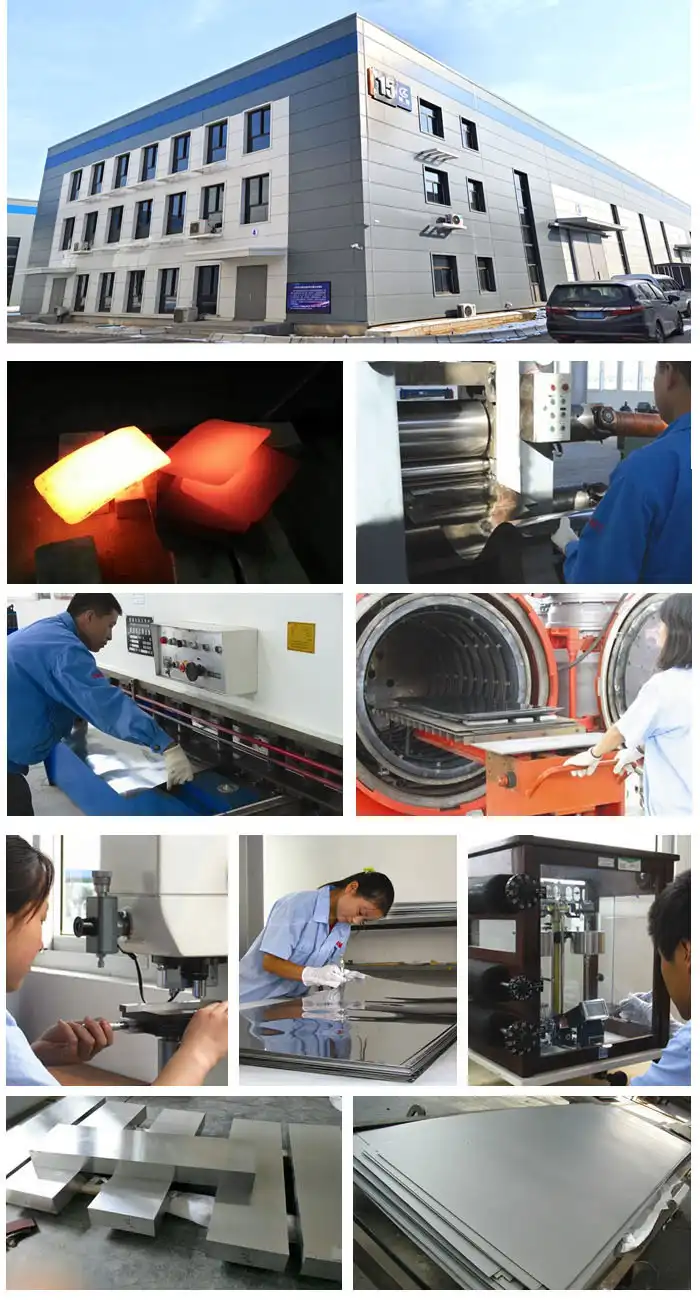
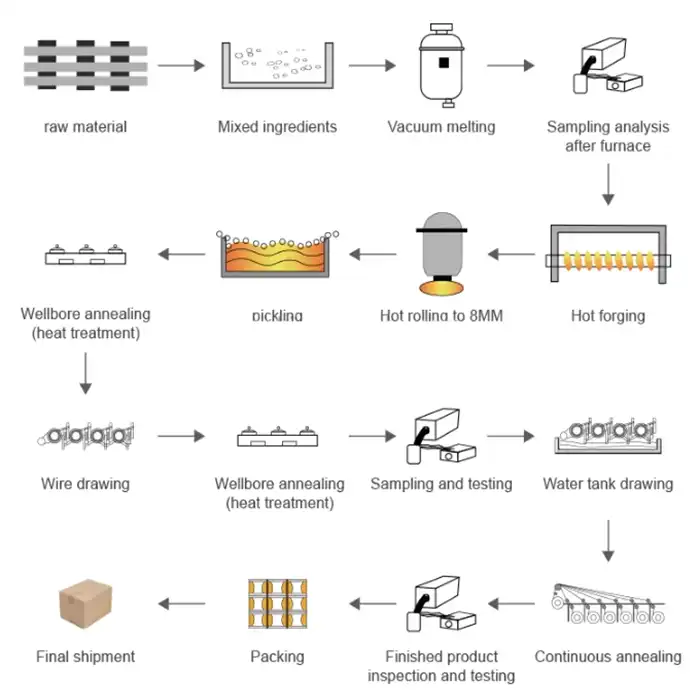
Vacuum melting takes place in one plant. Cold rolling happens there too. Heat treatment does as well. This keeps process variation low. Chemical composition stays the same from batch to batch. So does phase-transformation performance.
Dual Standard Compliance
The sheet is made to GB 24627-2009. It is also made to ASTM F2063-18. That covers buying needs at home and overseas.
Checks and Paperwork for Each Batch
Every batch goes through testing. Chemical makeup and mechanical properties are checked. The DSC phase-transformation temperature gets measured too. Test reports are ready when you ask for them.
Configurable Specifications
At the order stage, you can set the thickness. The Af temperature is another item you can choose. Surface finish and packaging can be set as well. Raw sheet is available. So are shape-set formed parts. The right pick depends on the project requirements.
Grade-Appropriate nickel titanium sheet Supply
Each application type gets its own paperwork. Medical-grade material ships with the documents that application needs, and industrial-grade material ships with its own. Low MOQ means you can buy what you need early in the project.
Application Engineering Support
All our engineers are in-house. Need help picking parameters? They will do that. Advice on processing for the job you have in mind is part of the service too.

Frequently Asked Questions
Q: What is the minimum order quantity?
A: 1 kg is the MOQ. We do take sample orders and small batches. That way you can run development and qualification work.
Q: Can the Af transformation temperature be customized?
A: Yes. Af temperature range runs from -20°C to 100°C. Send your inquiry and tell us which activation temperature you need. The alloy configuration gets confirmed before production starts.
Q: What surface finishes are available?
A: Pickled, bright polished, and ground surface conditions are available. If you have a specific roughness or appearance requirement, provide details during the order stage.
Q: Can this material be used to build medical devices?
A: The material meets ASTM F2063-18. Whether it works for a given device depends on your design requirements and regulatory pathway. Documentation comes with the material. Qualification at the device level stays with the manufacturer.
Q: What is the typical lead time?
A: Standard lead time is 15–30 working days. Actual scheduling depends on specification complexity and current production volume.
Q: Are material test reports provided?
A: Yes. Batch-level reports covering chemical composition, mechanical properties, and DSC phase-transformation temperature are provided upon request.
Contact Us
For quotes or technical inquiries about nickel titanium sheet, contact our team at baojihanz-06@hanztech.cn. We respond to specification questions and sample requests.
YOU MAY LIKE
.webp "Astm F2063 Superelastic Nitinol Straight Wire")
.webp "1x7 Braided Nitinol Rope for Fishing")