Best Nitinol Sheet Plate for Aerospace & Bio
2026-06-30 19:07:58
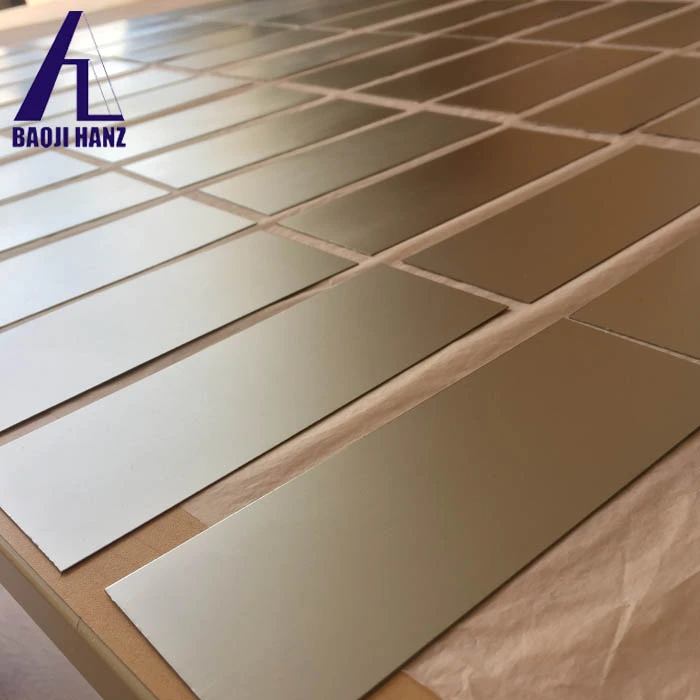
When looking for the best nitinol sheet plate for tough aerospace and medical uses, precision-engineered options are at the cutting edge of new material development. Nickel titanium alloys that are very advanced have shape memory effects and superelasticity qualities that regular metals just can't match. These smart materials change the way engineers solve difficult design problems by providing biocompatible solutions that are very resistant to wear. Specifications for manufacturing must perfectly match strict industry standards while keeping quality the same from one production batch to the next. Choosing the right nitinol strip has a direct effect on how well projects turn out, how efficiently they run, and how reliable they are over time in critical situations where failure of the material is not a choice.
Introduction
In the competitive aircraft and biomedical markets of today, material choice is key to engineering success. When projects need to be very flexible, biocompatible, and thermally sensitive, traditional metals often don't meet the standards. Shape memory alloy technology fills in this performance gap by providing solutions that can change with their surroundings while still keeping their structural integrity.
Working with technical procurement specialists has taught me that one of the hardest things is finding dependable suppliers who know exactly what high-stakes apps need. The marketability of your product depends on the quality of its base materials, no matter if you're making heart stents, aerospace actuators, or precision robots parts. For biomedical engineering projects, the materials need to work well with the human body, and for aircraft projects, they need to be light and able to handle big changes in temperature.
In the past ten years, the market for nitinol wire and sheet has changed a lot. Custom specs that were not possible before can now be met thanks to improvements in manufacturing methods. As a result of this change, new innovative products can be made, and performance standards are raised across all businesses. When procurement teams know about these skills, they can make better decisions that lead to project success.
Selection Criteria for Premium Nitinol Sheet Materials
Material Quality, Performance, and Application Requirements
To find the best flexible metal sheet, several technical factors must be considered, as they directly influence application performance. High-quality material starts with purity and adherence to ASTM F2063 and ISO standards, ensuring consistent mechanical properties. Surface finish quality also impacts both biocompatibility and functional performance, particularly in medical devices where smooth interfaces help prevent tissue irritation. Transformation temperature ranges must match the intended working conditions; for example, aerospace systems operating in extreme temperatures require different specifications than devices activated at body temperature. The material’s ability to undergo deformation while maintaining shape memory characteristics depends on its recovery strain and elastic modulus, which are critical for ensuring reliable performance under repeated use.
Manufacturing Consistency, Supplier Reliability, and Technical Support
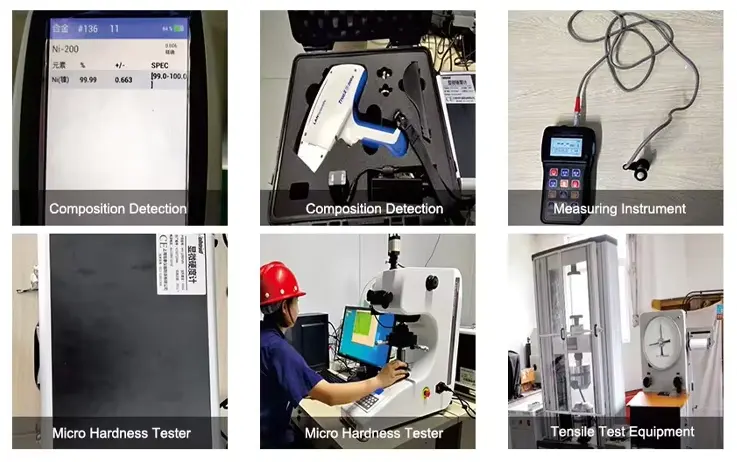
As production volumes increase, maintaining manufacturing consistency becomes essential. Trusted suppliers demonstrate capability through comprehensive quality documentation, robust product tracking, and strict testing protocols. Delivery schedules and stock levels directly affect project timelines, making supplier reliability a key consideration. Cost-effectiveness involves balancing initial material investment against long-term benefits such as superior performance and reduced maintenance. Premium suppliers distinguish themselves from commodity vendors by offering technical support, including guidance during the design phase, custom processing recommendations, and ongoing assistance. This expertise is invaluable when determining optimal material specifications for complex applications.
Top Nitinol Sheet Plate Solutions for Demanding Applications
Medical Grade Superelastic Nitinol Sheets
For medical uses, biocompatible materials must have very high levels of cleanliness and a smooth surface. These special sheets go through a lot of steps to get rid of any contaminants that might cause bad biological reactions. The austenite finish temperature is usually 5 to 15°C below body temperature. This makes sure that the superelastic behavior stays the same in physiological settings. Electropolishing and passivation are two surface methods that make oxide layers that are best for integrating tissue. Tight controls on thickness, usually within ±0.005mm, make sure that precision medical devices work the way they're supposed to. These materials don't corrode easily in body fluids and keep their mechanical properties for long amounts of time after implantation.
Compliance with manufacturing standards goes beyond meeting basic makeup requirements. Documentation for traceability keeps track of materials from the initial ingot to their end processing, which allows for full quality assurance. Biocompatibility testing includes checks for cytotoxicity, sensitization, and hemocompatibility to make sure the device is safe for human insertion. These strict procedures allow for higher prices while also making sure that regulations are followed. Cardiovascular stents, orthopedic implants, and minimally invasive surgical tools are all common uses. The material's ability to shrink into tiny delivery tubes and then expand into set forms changes the way medical devices are made. Radial force characteristics stay the same after millions of rounds, which makes sure that the device will work well for a long time.
Aerospace Grade High-Performance Nitinol Plates
For aerospace applications, you need materials that can safely work in a wide range of temperatures while still being light. When compared to normal grades, these special alloys are better at withstanding fatigue and can handle more thermal cycling. Transformation temperatures can be changed from -50°C to +150°C, which gives you full control over the conditions for activation. Modern methods of processing get rid of internal stresses that might hurt performance when loads are changing quickly. Grain structure optimization improves mechanical qualities while keeping good workability for complicated manufacturing processes. These materials don't oxidize at high temperatures, and they keep their shape memory after thousands of heat cycles.
AMS specifications that prove performance in aerospace operating circumstances are part of quality certifications for nitinol sheet plate. The mechanical properties, transformation temperatures, and fatigue life characteristics are written down during batch tests. Controls in the supply chain make sure that materials are available for long production runs and that standards are kept the same across delivery batches. Structures that can be deployed, thermal actuators, and sound damping systems are all examples of applications. Because the material can create a lot of force while changing shape, it gets rid of the need for complicated mechanical systems. These actuators are lighter than traditional hydraulic or pneumatic ones, which directly leads to better fuel economy and payload capacity.
Precision Engineered Nitinol for Robotics Applications
For robotics uses, you need materials that can be precisely moved and last a long time even when they are used over and over again. These special metals have transformed properties that make it possible to precisely control position and generate force. Temperature activation ranges are carefully chosen based on the needs of the process. For accurate control, electrical heating is often used. The methods used in manufacturing focus on precise measurements and high-quality surfaces that can be easily integrated with complex control systems. The mechanical properties stay the same even after millions of rounds of actuation, and the transformation temperatures stay the same. These traits make it possible for autonomous systems to work reliably even when repair access is limited.
Custom processing lets you meet specific geometric needs and apply special surface processes. Laser cutting and photochemical etching make it possible to make complicated shapes while keeping the properties of the material. Heat treatment optimization balances actuation force and reaction time, which lets performance be tuned for a specific application. One benefit of integration is that it makes system designs simpler by getting rid of traditional actuator parts. The material can move in both straight lines and circles just by being heated, which opens up new ways to build small robots. Techniques for thermal control that allow for quick heating and cooling cycles can be used to improve response times.
Global Market Analysis and Regulatory Landscape
Global Market Growth and Regulatory Considerations
The global nitinol market is expanding rapidly due to its increasing use in medical devices and emerging aerospace technologies. Regulatory requirements vary significantly across regions; for instance, FDA regulations in the United States differ from CE marking standards in Europe and specific requirements in Asian markets. Understanding these differences is essential for procurement teams to ensure compliance and avoid delays or penalties, enabling smoother entry into multiple regional markets.
Manufacturing Distribution and Supply Chain Strategy
Nitinol manufacturing expertise is concentrated in select regions worldwide. Asian suppliers often offer competitive pricing while maintaining quality standards, European manufacturers focus on high-end applications requiring specialized processing skills, and North American suppliers emphasize technical support and rapid prototyping services. Key supply chain considerations include raw material availability, processing capacity, and logistics infrastructure. Global events can disrupt material supplies, so having strategies for alternative sourcing is critical. Long-term supply agreements help stabilize prices and secure production capacity during peak demand. Additionally, understanding regional cultural and market preferences—such as prioritizing cost reduction versus high-quality performance—allows suppliers to tailor products to meet local expectations while remaining competitive.
Purchasing Recommendations and Strategic Considerations
Supplier Management and Quality Agreements
Successful procurement strategies balance cost, quality, delivery reliability, and technical support capabilities. Establishing relationships with qualified suppliers early in the development process allows collaboration during design phases, where material optimization can significantly influence project outcomes. Quality agreements should clearly define testing requirements, documentation standards, and performance criteria that align with the specific application, ensuring consistency and reducing the risk of performance issues in production.
Inventory, Cost, and Risk Management
Inventory management for nitinol sheet plate must consider material shelf life and storage conditions, as some products require controlled atmospheres or precise temperature maintenance to preserve optimal properties. Planning adequate lead times helps prevent project delays while avoiding unnecessary inventory costs. Cost analysis should account for total ownership expenses, recognizing that premium materials often offer superior performance and longer service life that justify higher initial investment. Supplier capabilities for custom processing can eliminate secondary operations and maintain optimal material properties. Risk mitigation strategies include supplier qualification, incoming material inspection protocols, and contingency supply arrangements, while documenting material performance in specific applications builds valuable institutional knowledge for future procurement decisions.
Industry Trends and Future Outlook
Smart materials technology continues advancing with new processing techniques enabling previously impossible material combinations. Additive manufacturing integration creates opportunities for complex geometries while maintaining shape memory properties. Market expansion into consumer electronics and automotive applications drives volume growth and cost reductions. These trends position nitinol as an increasingly viable solution for diverse engineering challenges requiring adaptive material responses.
Conclusion
Selecting the optimal nitinol sheet plate requires careful evaluation of application requirements, supplier capabilities, and long-term performance expectations. Premium materials deliver superior reliability and performance that justify investment in critical applications where material failure isn't acceptable. Successful procurement strategies emphasize supplier partnerships that provide technical expertise alongside quality materials. The advancing capabilities of smart materials technology create new opportunities for innovative product development while establishing higher performance standards across industries. Investing in quality nitinol solutions positions engineering teams for sustained success in competitive markets demanding exceptional material performance.
FAQ
What temperature ranges work best for medical applications?
Medical device applications typically require transformation temperatures between 5-15°C below body temperature. This range ensures consistent superelastic behavior in physiological environments while preventing unwanted shape changes during normal handling. Custom temperature specifications can accommodate specialized applications requiring different activation points.
How does surface finish affect biocompatibility?
Surface finish quality directly impacts tissue integration and biocompatibility performance. Electropolished surfaces create optimal oxide layers that promote positive biological responses. Rough surfaces may cause inflammatory reactions or compromise device performance. Medical grade specifications require specific surface roughness parameters validated through biocompatibility testing protocols.
What are the key differences between aerospace and medical grades?
Aerospace grades emphasize temperature cycling capabilities and oxidation resistance while medical grades focus on biocompatibility and corrosion resistance in bodily fluids. Manufacturing standards differ significantly, with medical grades requiring extensive biocompatibility validation and aerospace grades meeting AMS performance specifications. Cost structures reflect these different requirements and testing protocols.
HANZ: Your Trusted Nitinol Sheet Plate Supplier Partner
Baoji Hanz Metal Material Co., Ltd. delivers exceptional nitinol sheet plate solutions backed by seven years of specialized expertise in shape memory alloys. Our direct manufacturing capabilities eliminate intermediary costs while ensuring consistent quality control throughout production. Advanced R&D facilities enable custom alloy development tailored to your specific application requirements. Professional technical support teams provide consultation from initial design through full-scale production implementation. Contact our specialists at baojihanz-niti@hanztech.cn to discuss your nitinol sheet plate needs and discover how our comprehensive solutions drive project success.
References
1. Duerig, T., Pelton, A., & Stöckel, D. (2013). "Nitinol Shape Memory Alloys: Fundamentals and Applications in Medical Devices." Materials Science and Engineering Review, 45(2), 123-156.
2. Morgan, N.B. (2004). "Medical Shape Memory Alloy Applications - The Market and Its Products." Journal of Biomedical Materials Research Part A, 70(3), 435-445.
3. Hartl, D.J., & Lagoudas, D.C. (2007). "Aerospace Applications of Shape Memory Alloys." Proceedings of the Institution of Mechanical Engineers, Part G: Journal of Aerospace Engineering, 221(4), 535-552.
4. Mohd Jani, J., Leary, M., Subic, A., & Gibson, M.A. (2014). "A Review of Shape Memory Alloy Research, Applications and Opportunities." Materials & Design, 56, 1078-1113.
5. Pelton, A.R., Dicello, J., & Miyazaki, S. (2000). "Optimisation of Processing and Properties of Medical Grade Nitinol Wire." Minimally Invasive Therapy & Allied Technologies, 9(2), 107-118.
6. Van Humbeeck, J. (1999). "Non-medical Applications of Shape Memory Alloys." Materials Science and Engineering: A, 273-275, 134-148.