Guide to Shape Memory Nitinol Plate for Smart Parts
2026-06-30 19:08:02
The shape memory nitinol plate is a great choice for engineers and procurement specialists looking for advanced materials for the next wave of smart components. This new nickel-titanium alloy has amazing shape-memory properties and is also very flexible. It makes intelligent parts that can adapt to changes in their surroundings. These special plates are different from regular static materials because they allow self-actuating mechanisms, constant-force applications, and a level of fatigue resistance that has never been seen before in the aircraft, medical, and precision engineering sectors.
Understanding Shape Memory Alloy Technology
Phase Transformation and Shape Memory Mechanism
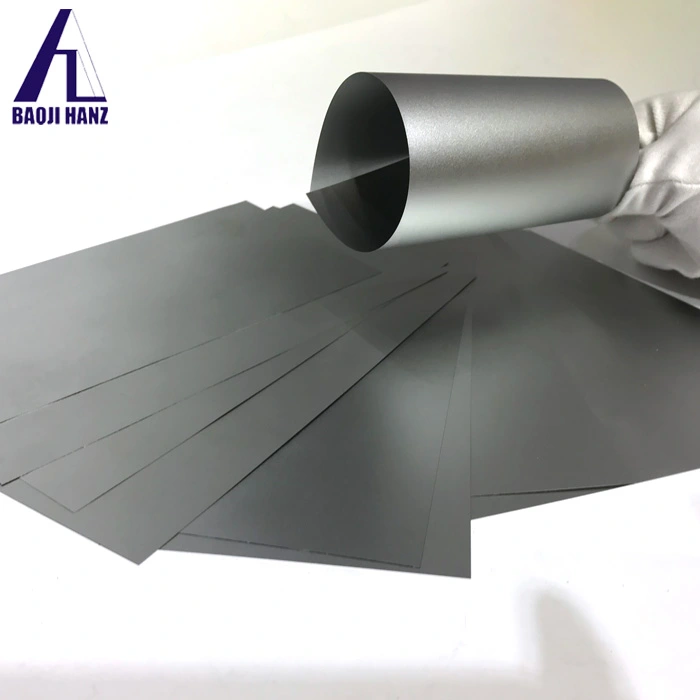
Shape memory alloy technology represents a significant advancement in materials engineering. The unique properties of nitinol originate from a reversible phase transformation between austenitic and martensitic crystal structures. This transformation occurs at carefully controlled temperatures, allowing the material to exhibit predictable behavioral changes under thermal or mechanical stimulation. The shape memory effect occurs when the material returns to its programmed configuration after thermal activation, a principle clearly demonstrated by components such as the shape memory nitinol plate. In addition, superelasticity allows the material to recover from substantial deformation without permanent damage. These two characteristics together make nitinol highly valuable in applications that require adaptive or responsive material behavior.
Temperature Control and Mechanical Performance
Temperature-sensitive materials like nitinol function through precisely controlled austenite finish (Af) temperatures. Engineers determine these parameters according to the expected operating environment and application requirements. The typical transformation temperature range spans from approximately -20°C to +110°C, which allows the material to be used across a wide variety of industrial conditions. In terms of mechanical performance, nitinol alloys can outperform conventional metals in specific applications. The material is capable of achieving up to 8% recoverable strain, compared to less than 1% in most steels. This exceptional flexibility and resilience enable innovative engineering designs that would be difficult or impossible to achieve with traditional metallic materials.
Key Properties and Performance Characteristics
Biocompatibility, Corrosion Resistance, and Fatigue Performance
Biocompatibility is one of the most valuable characteristics of nitinol for medical applications. A stable passive titanium oxide layer forms on the surface of the alloy, which prevents the release of nickel ions and ensures safe long-term implantation in the human body. This property allows the material to meet strict ASTM F2063 standards required for biomedical devices. In addition, nitinol offers corrosion resistance that often surpasses stainless steel in various environments. The alloy can tolerate exposure to acidic, alkaline, and bodily fluids without significant degradation, providing reliable durability in demanding conditions. Its fatigue resistance is also highly superior to conventional alloys, with laboratory tests demonstrating the ability to endure millions of cycles without failure. This exceptional endurance makes nitinol particularly suitable for dynamic applications where long-term operational reliability is essential.
Shape Memory Activation and Deformation Recovery
The shape memory effect of nitinol can be activated at precisely predetermined temperatures, offering remarkable control in engineered systems. During manufacturing, engineers program specific transformation temperatures into the material so that it responds accurately to thermal changes. This level of controllability supports the development of advanced smart components that react predictably to environmental conditions. Furthermore, nitinol demonstrates outstanding deformation recovery capabilities, allowing it to undergo extreme bending without permanent damage. After the external force is removed, the material repeatedly returns to its original configuration, maintaining both structural integrity and functional performance. This resilience significantly reduces the risk of catastrophic failure that commonly occurs with more rigid traditional materials.
Manufacturing Excellence and Quality Standards
Consistent Material Properties and Controlled Processing
Nitinol maintains consistent qualities throughout production runs due to advanced manufacturing techniques. Vacuum induction melting ensures a uniform alloy composition, while precise temperature control during processing preserves optimal metallic properties. During hot rolling, bars are reduced to intermediate thicknesses, followed by multiple cold rolling passes to achieve final dimensions. These carefully controlled deformation steps have a significant impact on the material’s mechanical and functional performance. For components such as the shape memory nitinol plate, heat treatment procedures establish the specific temperatures at which phase transformations occur. To achieve repeatable results, the relationship between time and temperature is strictly managed, and professional manufacturers maintain detailed records to ensure process consistency.
Surface Treatments and Quality Control
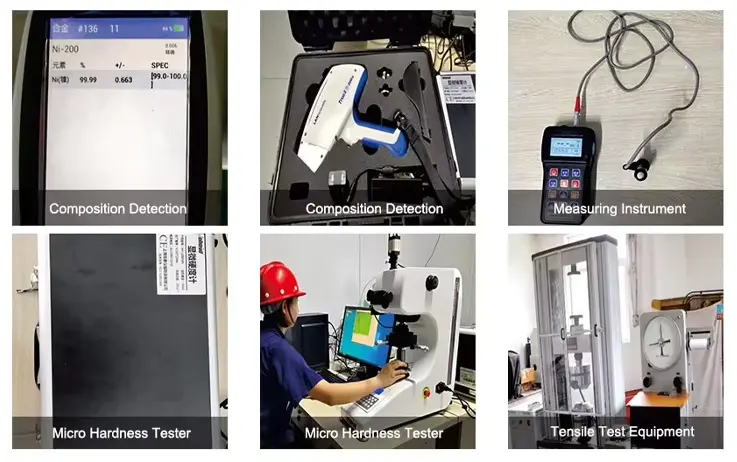
Surface treatments such as acid cleaning, electropolishing, and passivation are applied to remove contaminants and develop a stable, biocompatible oxide layer. The quality of these surface finishes directly affects corrosion resistance and biocompatibility. Rigorous quality control measures are implemented throughout production, including chemical composition analysis, mechanical testing, and verification of transformation temperatures. Each product is accompanied by a certificate of compliance, and comprehensive traceability systems track all materials and production steps from raw materials to final inspection, ensuring reliability and accountability in every batch.
Medical and Biomedical Applications
Orthopedic and Minimally Invasive Applications
Orthopedic fixation devices take advantage of nitinol’s shape memory characteristics to improve healing outcomes in complex fractures. Compression staples activate after implantation when body temperature triggers the material’s programmed shape recovery, applying continuous compression across fracture sites. This dynamic force promotes bone regeneration and often accelerates healing compared with traditional static fixation methods. Minimally invasive surgical instruments also benefit from nitinol’s exceptional flexibility and kink resistance. Guidewires made from this material can navigate tortuous anatomical pathways without permanent deformation, allowing physicians to access delicate or previously difficult-to-reach treatment areas safely. Self-expanding medical devices, such as vascular stents, rely on superelasticity for reliable deployment. They can be compressed to pass through narrow catheters with minimal trauma and expand at the treatment site to maintain consistent radial force, keeping vessels open over the long term.
Biocompatibility and Adaptive Implant Performance
Implantable devices incorporating nitinol demonstrate excellent biocompatibility in clinical settings. Long-term studies show stable tissue integration and minimal inflammatory response after implantation. Additionally, nitinol’s elastic modulus is closer to that of natural bone compared with many conventional implant metals, improving patient comfort and mechanical compatibility. Fracture stabilization plates made from nitinol alloys provide adaptive compression throughout the healing process. Unlike rigid titanium plates, these devices respond to small physiological movements in the bone, reducing stress shielding effects while maintaining sufficient mechanical stability to protect the fracture site during recovery.
Industrial and Aerospace Applications
Aerospace, Robotics, and Automotive Applications
Smart material applications in aerospace leverage nitinol’s thermal activation for adaptive structures. Wing morphing systems adjust aerodynamic profiles based on flight conditions, using shape memory actuators to replace complex hydraulic mechanisms while reducing weight. Robotics systems incorporate nitinol components for precise positioning and force control, taking advantage of the material’s unique stress-strain characteristics to create compliant mechanisms that adapt to varying loads while maintaining accuracy. In automotive applications, shape memory effects are employed in thermal management systems. For example, shape memory nitinol plates function as temperature-responsive actuators, allowing valve actuators to respond automatically to temperature changes without external power, improving reliability and reducing system complexity.
Precision Engineering and Vibration Damping
Precision engineering components benefit from nitinol’s exceptional dimensional stability, ensuring that manufacturing tolerances remain consistent even across temperature variations. This predictability is critical for high-accuracy assemblies where precise mechanical behavior is required. Additionally, nitinol is used in vibration damping applications due to its high internal friction characteristics. The material effectively absorbs mechanical energy more efficiently than conventional dampers, reducing noise and extending the service life of components in dynamic and high-stress environments.
Selection Criteria and Specifications
Alloy Composition and Transformation Temperature
Alloy composition has a direct impact on transformation temperatures and mechanical performance. Binary nitinol, composed solely of nickel and titanium, provides stable baseline properties suitable for many general applications. The addition of ternary elements allows engineers to fine-tune transformation behavior and mechanical characteristics, enabling precise performance for specialized technical requirements. Selection of transformation temperatures depends on the intended operating environment. Medical devices typically require activation near normal body temperature, around 37°C, to ensure reliable function within the human body, while industrial applications may demand higher or lower activation points based on ambient conditions.
Dimensional, Surface, and Certification Considerations
Dimensional specifications—including thickness, width, length, and allowable tolerance ranges—are critical for performance and integration. Standard sizes can reduce manufacturing costs by taking advantage of large-scale production, but custom dimensions are often necessary for specialized designs to ensure accurate fit in specific engineering or medical systems. Surface finish requirements vary depending on the application; biomedical devices require smooth, high-quality surfaces to maintain biocompatibility and minimize the risk of irritation or contamination, whereas many industrial applications can use standard finishes to control production expenses. Certification and compliance play a key role in quality assurance. ASTM F2063 is widely used for medical-grade nitinol materials to confirm biocompatibility, and ISO 9001 quality management systems provide confidence that manufacturing processes are controlled and capable of producing consistent, reliable products.
Conclusion
Shape memory nitinol plates are a revolutionary technology that will change the way smart parts are made in many businesses. These smart materials have mechanical qualities that have never been seen before and behavior that can be controlled. To successfully use nitinol solutions, you need to work with manufacturers who have a lot of knowledge and who understand both the science behind the materials and the needs of the applications. Investing in this cutting-edge technology pays off in big ways: better speed, less system complexity, and higher reliability. Shape memory metals will become more and more important in next-generation designs as industries keep moving toward more complex solutions.

Partner with HANZ for Superior Shape Memory Solutions
HANZ delivers premium shape memory nitinol plate manufacturing with over seven years of specialized expertise in nickel-titanium alloys. Our advanced production capabilities, rigorous quality control systems, and comprehensive technical support ensure reliable supply chains for critical applications. Contact our engineering team at baojihanz-niti@hanztech.cn to discuss your specific requirements and receive customized solutions that meet your exact specifications and delivery timelines.
References
1. Otsuka, K. and Wayman, C.M. "Shape Memory Materials: Fundamentals and Applications in Engineering." Cambridge University Press, 1998.
2. Duerig, T., Pelton, A. and Stöckel, D. "An Overview of Nitinol Medical Applications." Materials Science and Engineering A, Vol. 273-275, 1999.
3. Lagoudas, D.C. "Shape Memory Alloys: Modeling and Engineering Applications." Springer Science & Business Media, 2008.
4. Miyazaki, S. and Otsuka, K. "Development of Shape Memory Alloys for Medical Applications." ISIJ International, Vol. 29, No. 5, 1989.
5. Morgan, N.B. "Medical Shape Memory Alloy Applications: The Market and Its Products." Materials Science and Engineering A, Vol. 378, 2004.
6. Pelton, A.R., Stöckel, D. and Duerig, T.W. "Medical Uses of Nitinol." Materials Science Forum, Vol. 327-328, 2000.