The Advantages of Black Surface Nitinol Wire in Industrial Environments
2026-06-30 19:07:49
Nickel-titanium shape memory alloys have special thermomechanical properties. Black surface nitinol wire has a protective black oxide surface treatment that makes it more resistant to corrosion and wear. It also has stable mechanical performance in harsh industrial environments. This unique surface finish, which is made through controlled oxidation methods that meet ASTM F2063 standards, solves important problems in harsh working situations where regular alloy materials break down too quickly. The matte black coating not only increases the service life by protecting the nickel-titanium matrix below from damage from the environment, but it also provides a smooth, non-reflective surface that makes it easier to check for errors during the manufacturing and assembly processes in advanced engineering, robotics, and aerospace.
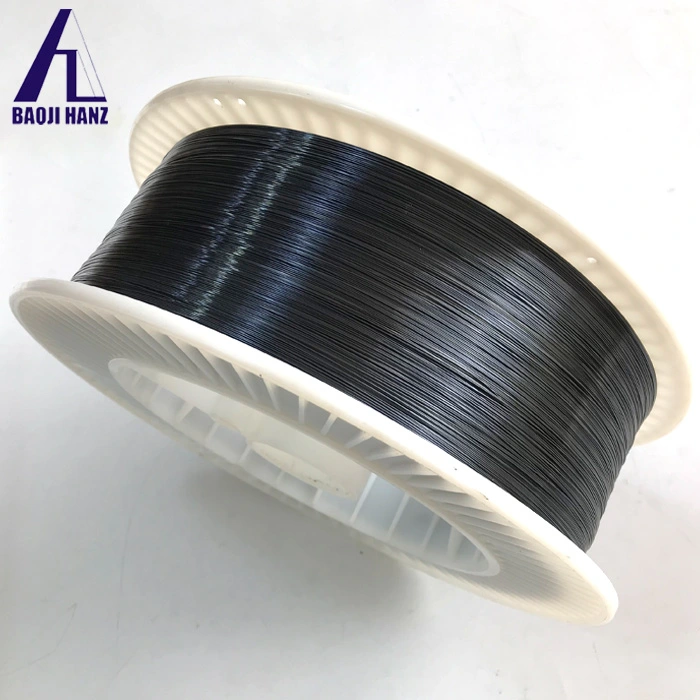
Understanding Black Surface Nitinol Wire: Composition and Key Properties
The Nickel-Titanium Foundation
At its heart, black surface nitinol wire is made up of a combination of nickel and titanium that is almost exactly equal in size. It is usually 55–56 percent nickel by weight and the rest titanium. The material's unique properties—its shape memory effect and superelasticity—are made possible by its exact makeup. When heated above its transformation temperature (Af), which we can change from 0°C to 100°C based on your needs, the shape memory effect lets the wire return to a set shape. At working temperatures, superelastic grades stay austenitic and can rebound from strains of up to 8% without permanently changing shape. This is a lot more than what normal spring materials like stainless steel or music wire can do. Our material meets ASTM F2063 industrial-grade standards, which means that its mechanical qualities and phase change behavior are always the same. The alloy's density of 6.45 g/cm³ makes it the perfect mix of strength and weight, making it useful in situations where efficiency and weight reduction are both important.
Black Oxide Surface Treatment Process
The black finish on the surface comes from a carefully controlled heat oxidation process that forms a stable oxide layer on top of the wire. Unlike simple coating methods, this process chemically links with the nickel-titanium base below, making a strong barrier that is built into the structure of the material. Temperature, the make-up of the environment, and the length of time of oxidation are carefully controlled to get a uniform black color while keeping the wire's mechanical qualities. This top layer is mostly made up of titanium dioxide (TiO₂), with some nickel oxide mixed in. It forms a barrier that is usually 50 to 200 nanometers thick. The matte black look is useful because it removes glare during high-magnification inspection, makes measuring dimensions under a microscope easier, and makes it easier to tell one finish from another in multi-material setups.
Mechanical and Physical Characteristics
The tensile strength of black surface nitinol wire is usually between 1100 and 1400 MPa, but this can change based on how much cold work and heat treatment were done during production. The material keeps its stretch above 10%, which means it can take a lot of mechanical stress before breaking. This mix of high strength and ductility solves the problem that many industrial materials have: they can't be both hard and flexible at the same time. The transition temperatures describe how the system works. When used, superelastic wire with an Af below room temperature stays in the austenitic phase, which keeps the recovery force constant over a wide range of deflections. Shape memory types with higher transformation temperatures stay martensitic until heated up, which lets them be awakened by heat. We can fully customize these change points to fit your thermal surroundings and the way you need them to work. The oxide layer that forms naturally on nickel-titanium metals makes them resistant to corrosion. The black surface treatment makes this protection even better, especially against pitting and crevice rust in places with a lot of salt or acid. According to ASTM standards, the performance is as good as or better than titanium alloys in harsh media, with much lower nickel ion release rates than nitinol surfaces that are not covered.
Advantages of Black Surface Nitinol Wire in Industrial Environments
Enhanced Corrosion and Chemical Resistance
Materials are often damaged by cutting fluids, hydraulic oils, salt spray, acidic condensates, and chemical process streams that are used in factories. In these situations, standard stainless steels are attacked in specific places, which causes them to fail early. Black surface nitinol wire has much better strength because the titanium-rich oxide layer and the alloy mixture below it work together to make it stronger. The ASTM B117 accelerated salt fog test shows that black surface nitinol wire's surface stays intact for longer periods of time than would cause 316L stainless steel to show cracking. The black oxide layer works as a second barrier, making it take longer for harmful ions to enter and slows down the rate of electrochemical reactions at the metal interface. This performance edge directly leads to longer periods between upkeep and lower replacement costs in situations like sensor elements in marine environments or actuator parts for chemical processing equipment. The matte finish on the surface also keeps dirt and other things from building up, which can lead to limited rusting. It is easier for crevice rust to happen on smooth, reflective surfaces because they tend to trap particles and moisture in tiny surface flaws. The slightly rough black oxide surface keeps this from happening and is still easy to clean during regular upkeep.
Superior Fatigue Life and Mechanical Durability
In dynamic manufacturing settings, cyclic stress is a major cause of failure. Because the nickel-titanium crystal structure naturally dampens vibrations and the oxide layer spreads stress, black surface nitinol wire works very well in wear conditions. During repeated rounds of bending or letting go of strain, the material loses mechanical energy through hysteresis in the phase change. This lowers the peak stresses that would otherwise cause fatigue cracks to form. Comparative stress testing shows that superelastic nitinol wire can withstand millions of cycles at strain amplitudes that would break stainless steel wire in just a few thousand cycles. The black oxide process adds extra security by stopping surface cracks from starting because of pitting or fretting wear in the surroundings. This mix makes it possible for uses like sound dampeners, reciprocating actuators, and spring elements that are continuously cycled over years of service to work well. The shape memory effect also gives things a special ability to heal themselves. Thermal cycling can undo minor deformation caused by overloading, returning the part to its original shape without lasting damage. This is not possible with regular spring materials, which change plastically under too much stress.
Thermal Stability and Process Compatibility
During building, cleaning, or curing steps in the manufacturing process, materials are often heated to high temperatures. Black surface nitinol wire keeps its mechanical qualities and surface stability over a wide temperature range. This means it can be used in industrial thermal processes that would damage options that are polymer-coated or adhesive-bonded. The black oxide layer stays steady up to about 400°C in air, which is much higher than the temperatures needed for sterilization (121–134°C for autoclaving) and most soldering or brazing jobs that are done with the right protection. Because it is resistant to heat, it can be joined to other parts using normal ways, without having to go through any special low-temperature steps. Shape-setting processes are also compatible with heat treatment. By holding the wire in place and performing controlled thermal cycles, we can program complex three-dimensional shapes into it. The black surface finish stays strong through these steps without flaking or changing color, so the finished part keeps its safe function and good looks.
Dimensional Precision and Consistency
Tight specs for black surface nitinol wire are needed in industrial settings to make sure that parts fit and work right in systems. We make black surface nitinol wire with diameter tolerances that range from ±0.001 mm for very small sizes to ±0.02 mm for bigger diameters. This gives automated insertion, micro-welding, and precision spring winding processes the consistent sizes they need. The processes of drawing the wire and treating the surface are closely watched to keep the roundness, get rid of any surface flaws, and make sure that the oxide thickness is the same along the whole length. This consistency means that the mechanical behavior can be predicted—each coil or spool has the same transformation temperatures, load-deflection features, and fatigue performance. This makes quality control easier in production situations with a lot of products. Process tracking records that are kept and material certificates that come with every shipment are proof of batch-to-batch consistency. We keep track of everything from the freezing of the raw materials to the final review. This helps us meet your supply chain quality standards and makes it easier to find the root cause of problems in the field, which doesn't happen very often.
Procurement Considerations: How to Choose and Buy Black Surface Nitinol Wire?
Supplier Qualification and Manufacturing Capability
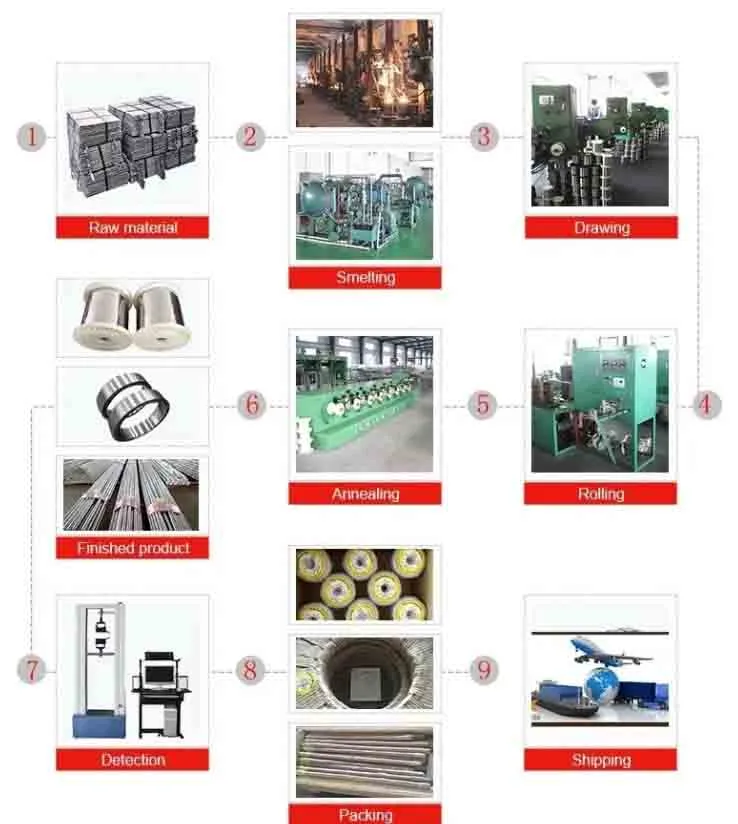
To find a trustworthy maker, you need to look at their technical know-how, production facilities, and quality control systems. Baoji Hanz Metal Material Co., Ltd. uses high-tech vacuum melting, wire drawing, heat treatment, and surface finishing tools that are designed to work with nickel-titanium alloys. Our dedication to organized quality control at all stages of production is shown by our ISO 9001 certification and SGS and TUV tests. It's not just the tools that makes something possible; you also need to know about metals and be able to handle the process. Nickel-titanium alloys are sensitive to changes in their makeup, the conditions under which they melt, and their thermal past. We have in-house analytical tools, such as spectroscopy, differential scanning calorimetry (DSC), and mechanical tests, to make sure that before shipping, each output lot meets the required transformation temperatures, tensile qualities, and dimensional limits. Customization for OEMs needs technical help that can respond quickly. Our expert team works with clients to come up with the best wire specs, make shape-setting fixtures for complicated shapes, and fix problems that come up with integration. This method of working together makes sure that the material we provide fits right into your production process, so you don't have to do a lot of expensive trial-and-error steps.
Quality Certifications and Testing Documentation
Material approvals for black surface nitinol wire are necessary for tracking and making sure that the product works as it should. Hanz's shipments come with proof of the chemicals used, the temperatures at which they change (measured by DSC), the results of a tension test, and details on how the items are sized. This paperwork backs up your processes for incoming inspections and meets audit standards for quality system compliance. ASTM F2063 conformance covers important details like makeup limits, inclusion content, tensile qualities, and temperature ranges for change. We regularly have third-party verification testing done to make sure that our internal quality control data is correct. This gives us independent proof that the specifications are being met. For uses that need to be regulated, we can offer extra paperwork like material safety data sheets (MSDS), certificates of origin, and statements that the product meets certain industry standards. Our method for keeping records keeps production records for at least five years, so if problems happen in the field, they can be looked into from the past.
Minimum Order Quantities and Pricing Structure
To balance the cost of goods with the cost of buying things, you need to know about minimum order quantities (MOQs) and volume prices. Our usual minimum order number is only 5 pieces, which makes it easy to make prototypes and small batches without having to spend a lot of money. This low level lets you test how well a material works in real-world applications before making bigger purchases. Scaling is an expected part of volume price. If you buy more than 100 pieces, the unit costs usually go down, and there are even bigger price drops at 500 and 1,000 pieces. When we get a lot of orders, we can better plan our production and save money on handling costs per unit, which we then pass on to our customers. For first orders, there may be tooling or setup fees for custom specs like non-standard diameters, special transformation temperatures, or unique spool combinations. Because these costs are spread out over multiple sales, customization is a good way to save money for ongoing production needs. All of the costs are broken down in our thorough quotes, so there are no surprises when it comes to the price.
Lead Time Planning and Logistics
Procurement timelines are affected by when things are made and how long it takes to ship things internationally. Standard specs that are in stock will be shipped within 5 to 7 business days of proof of the order. Manufacturing wait times for custom setups are usually between 15 and 30 days, but this depends on how complicated the specifications are and how busy the production line is at the moment. During shipping, packaging keeps the wire's qualities safe. We pack the wire in boxes or on wooden spools, based on the amount and diameter of the wire, and vacuum-seal the bags to keep them from oxidizing and absorbing moisture. Labels on each package list the material grade, diameter, length, batch number, and any relevant standards. This makes it easier to receive items and keep track of supplies. The best shipping ways combine speed and price. Air freight gets to North America and Europe in 5 to 7 days, which is good for pressing needs or high-value packages where the longer travel time explains the higher freight costs. With travel times of 25 to 35 days to major ports, sea freight is a cheap way to send big amounts of goods. For trial orders or small amounts that need to be delivered quickly, express courier services can deliver from door to door in three to five days. We know a lot about exporting and can help with customs paperwork and following rules. We make business invoices, packing lists, certificates of origin, and any other special declarations that are needed for easy customs clearing in the countries where the goods are going. This keeps delays to a minimum and keeps demurrage charges from happening.
Conclusion
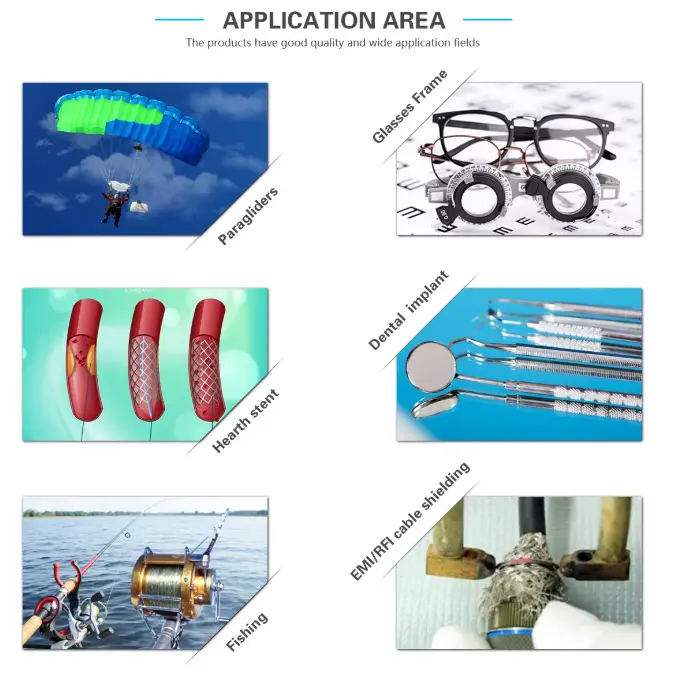
Black surface nitinol wire has clear benefits in industrial settings because it is more resistant to rust, lasts longer, and has special thermomechanical qualities that aren't found in other materials. The black oxide coat protects and makes things last longer, and it also helps with checking and assembly. When procurement workers are looking at different material choices, they shouldn't just compare unit prices. They should also look at the total cost of ownership, which includes things like longer service life, less upkeep, and higher reliability. Because the diameter, transformation temperature, and shape of this material can be changed to fit different needs, it can be used in aircraft, robots, automobile, and industrial processing. Working with a maker with a lot of experience guarantees access to technical know-how, consistent quality, and quick help as the product is being developed and output is increased.
FAQ
Why does black surface nitinol wire offer better corrosion resistance than bare nitinol?
The black oxide layer creates a solid titanium dioxide shield that stops the flow of ions between the outside world and the alloy below. This extra protection works with nitinol's natural passive film to make pitting and fissure rust much less likely in chloride- or acidic environments. Accelerated rust testing shows that treating surfaces with black oxide makes them last two to five times longer in tough settings than surfaces that are polished by hand.
Can transformation temperatures be customized for specific applications?
Of course. We change the mix of alloys and the way they are heated so that austenite finish (Af) temperatures can be reached between 0°C and 100°C. For superelastic uses, Af is usually lower than the operating temperature. For shape memory actuators, Af is higher than ambient but within the heating range that is possible. By telling our experts your working temperature range and the mechanical behavior you want, they can suggest the best transformation temperature specs.
What minimum order quantity should I expect for custom specifications?
Our standard MOQ remains 5 pieces even for custom diameters, transformation temperatures, or surface treatments. This low level lets you build and test prototypes without spending a lot of money on materials. Volume price is available for orders of more than 100 pieces, which makes the switch from research to production cost-effective.
How long does production and delivery typically take?
Stock items usually ship within a week of proof of the order. Depending on how complicated the specifications are, custom configurations need 15 to 30 days to be made. Air freight takes an extra 5–7 days, and sea freight takes 25–35 days. We give you updates on the progress of production and tracking information to help you keep track of your project's plan.
Partner with HANZ for Your Black Surface Nitinol Wire Supply
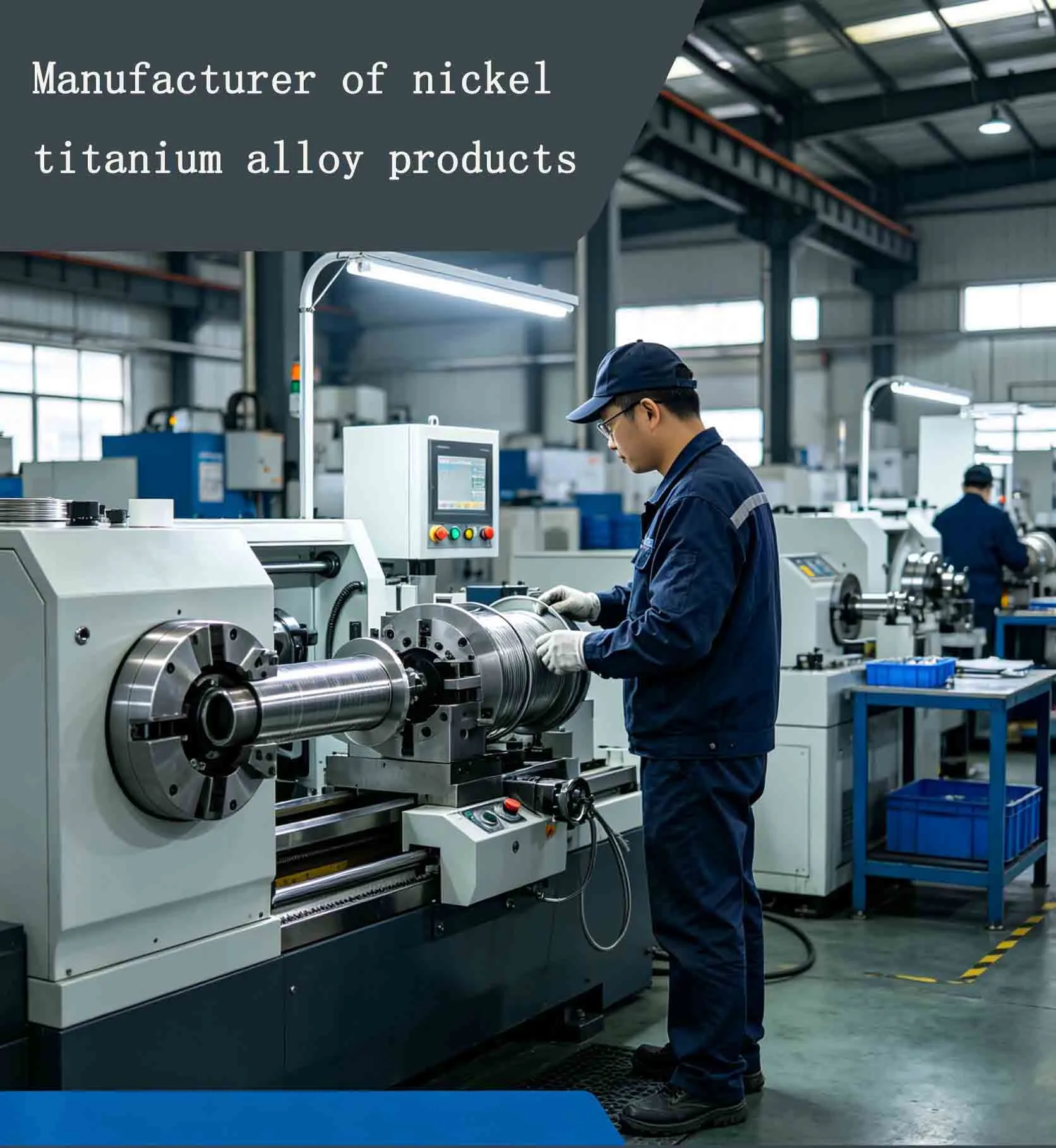
Seven years of experience in making nickel-titanium alloys is what Baoji Hanz Metal Material Co., Ltd. brings to the table. They combine advanced manufacturing skills with quick technical help. As a direct producer, we don't have to pay markups to distributors, and we keep tight quality control during the melting, drawing, heat treatment, and finishing of the surface. Our large stock of standard sizes allows for quick delivery, and our OEM customization services can meet specific needs for diameter, transformation temperature, tolerance, and spool design. Our team works together to make sure that the material specs meet all of your needs, whether you need small amounts for a sample or a lot of materials for mass production. Our ISO 9001, SGS, and TUV certifications show that we are dedicated to quality, and our detailed testing records help with receiving inspections and meeting legal requirements. You can email our expert sales team at baojihanz-niti@hanztech.cn to talk about your needs for black surface nitinol wire, ask for samples of the material, or get specific quotes. We are ready to become your reliable source for black surface nitinol wire used in tough industrial settings.
References
Duerig, T. W., Melton, K. N., Stöckel, D., & Wayman, C. M. (1990). Engineering Aspects of Shape Memory Alloys. Butterworth-Heinemann.
Otsuka, K., & Wayman, C. M. (1998). Shape Memory Materials. Cambridge University Press.
Morgan, N. B. (2004). Medical shape memory alloy applications—the market and its products. Materials Science and Engineering: A, 378(1-2), 16-23.
Shabalovskaya, S. A. (2002). Surface, corrosion and biocompatibility aspects of Nitinol as an implant material. Bio-Medical Materials and Engineering, 12(1), 69-109.
Pelton, A. R., Dicello, J., & Miyazaki, S. (2000). Optimization of processing and properties of medical grade Nitinol wire. Minimally Invasive Therapy & Allied Technologies, 9(2), 107-118.
Van Humbeeck, J. (1999). Non-medical applications of shape memory alloys. Materials Science and Engineering: A, 273-275, 134-148.